
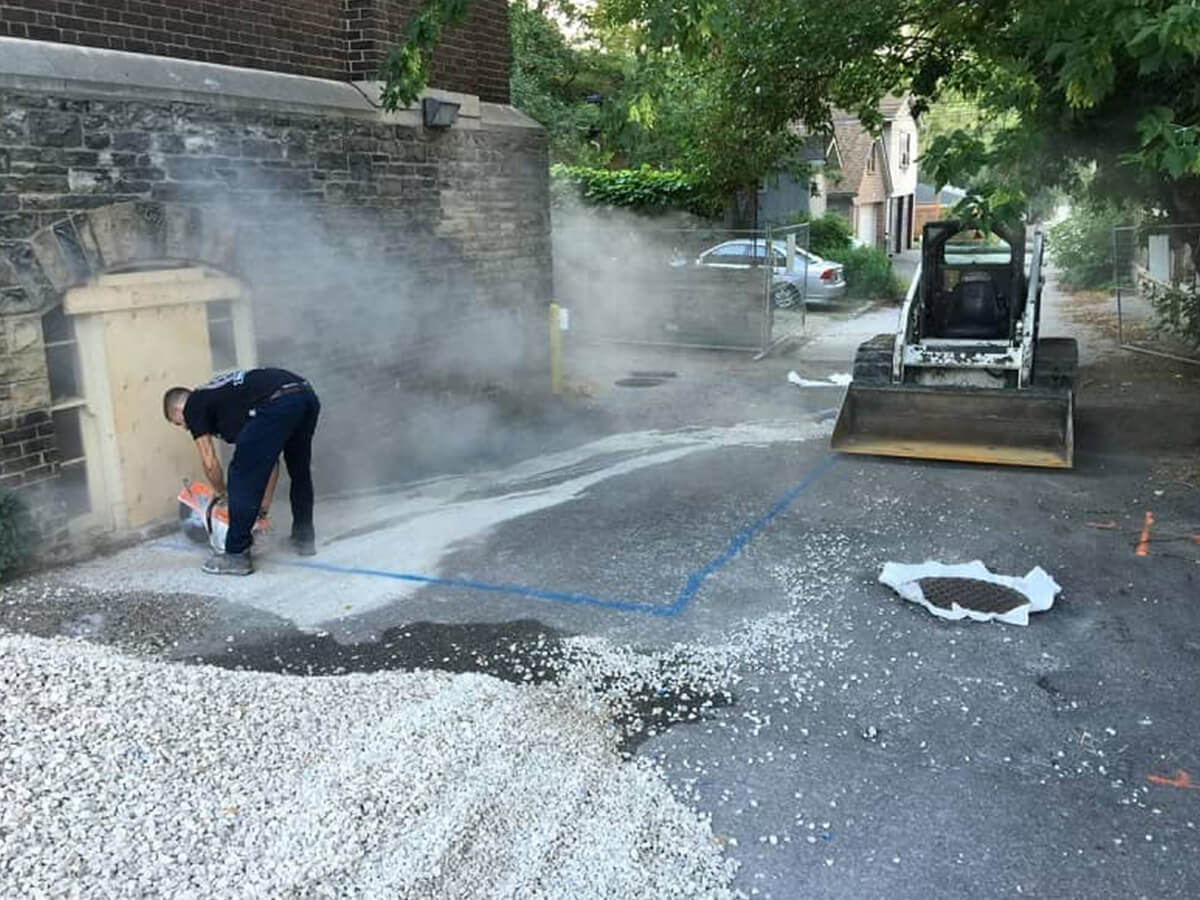
Landscape grading and excavation are essential aspects of any construction or landscaping project. They involve shaping the land to create a specific slope and contour, ensuring the proper flow of water away from structures and preventing potential water damage.
Effective drainage is crucial for maintaining the integrity of buildings, preventing soil erosion, and creating a healthy environment for plants. Proper grading and excavation contribute to a visually appealing and functional outdoor space by directing water away from walkways, patios, and foundations.
What is Landscape Grading?
Landscape grading is the process of altering the existing topography of a site to achieve a desired slope and surface drainage pattern. It involves strategically moving soil to create a level or sloped surface, ensuring efficient water runoff and preventing water accumulation.
Different Types of Grading
Positive Grading
Positive grading is the ideal scenario for effective drainage. It means the land slopes away from the foundation of a building. This slope, even if it’s gentle, encourages water to flow away from the structure, preventing it from pooling around the foundation or seeping into the basement.
- Benefits: Minimizes the risk of foundation damage, basement flooding, and soil erosion. It also promotes healthy plant growth by preventing waterlogging.
- Recommended Slope: Experts generally recommend a slope of at least 6 inches for the first 10 feet away from the foundation (approximately a 5% slope). This
Negative Grading
Negative grading is the opposite of positive grading, and it’s generally undesirable. It means the land slopes towards the foundation. This directs water towards the building, increasing the risk of serious water damage.
- Consequences: Can lead to foundation issues (cracks, leaks, settling), basement flooding, water damage to siding and landscaping, and even promote insect infestations due to standing water.
- Causes: Can occur due to settling of the soil over time, improper initial construction, or changes in the landscape.
Flat Grading
Flat grading refers to land with no significant slope. While it might seem harmless, it can still pose drainage problems as water doesn’t have a clear path to flow away.
- Issues: Water can pool in areas, leading to soggy lawns, damage to plants, and potential foundation issues if the water remains close to the building.
- Suitability: May be acceptable for certain landscaping features like patios or walkways, but it’s generally not ideal for the area immediately surrounding a foundation.
The Role of Excavation
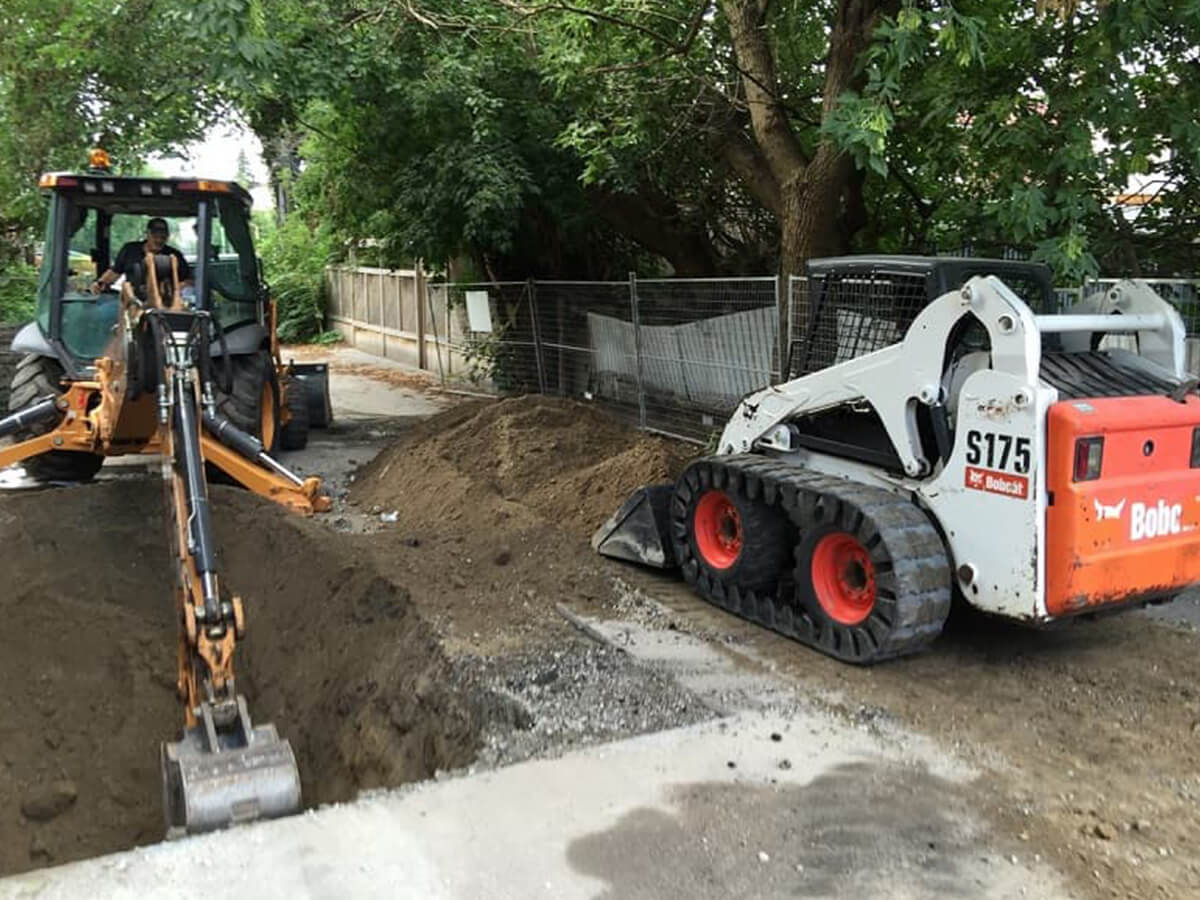
Excavation is an integral part of landscape grading, involving the removal of soil and rock to create the desired landform. It is crucial for establishing foundations, installing underground utilities, and shaping the terrain for proper drainage.
- Site Preparation: Before any construction can begin, the site must be thoroughly prepared. Excavation crews clear the area, removing obstacles such as trees, rocks, large roots, and debris. This process ensures a stable and level base for building foundations and future landscaping features, preventing settling and ensuring the longevity of the structure. The cleared site also allows for accurate surveying and the precise placement of structures.
- Foundation Construction: Excavation is vital for creating the foundation of any building. This involves digging trenches and holes to the required depth and width, ensuring proper support for the structure. The excavation process also allows for the installation of crucial drainage systems around the foundation, such as French drains or perimeter drains, which prevent water damage and protect the building’s integrity.
- Utility Installation: Modern buildings require a network of underground utilities. Excavation creates the trenches necessary for installing water pipes, sewer lines, electrical conduits, and telecommunication cables. Proper excavation ensures these utilities are laid at the correct depth and with the proper slope to ensure optimal performance and prevent damage or blockages.
- Drainage System Implementation: Effective drainage is essential for any property. Excavation plays a key role in installing various drainage systems, including French drains, catch basins, and drainage pipes. By creating channels and pathways for water to flow, excavation helps divert water away from structures, preventing water accumulation and protecting against potential water damage.
- Landform Shaping: Beyond essential construction needs, excavation allows for the creation of aesthetically pleasing and functional landforms. This includes features like berms (raised areas), swales (shallow depressions), and terraces (levelled sections on a slope). These landforms enhance drainage by directing water flow, prevent soil erosion, and add visual interest to the landscape.
Benefits of Proper Grading and Excavation
Proper grading and excavation provide numerous benefits, contributing to the longevity of structures, the health of the landscape, and the overall aesthetic appeal of a property.
- Prevents Foundation Damage: Effective grading directs water away from the foundation, preventing cracks, leaks, and settlement. This safeguards the structural integrity of buildings, avoiding costly repairs and ensuring long-term stability. Proper grading minimizes hydrostatic pressure against foundation walls, a common cause of cracks and leaks.
- Controls Soil Erosion: Proper grading minimizes soil erosion by ensuring even water distribution and preventing runoff from carrying away topsoil. This preserves the fertile layer, essential for healthy plant growth and landscaping. By controlling water flow, grading protects the topsoil and prevents the formation of gullies and washouts.
- Reduces Water Damage: Efficient drainage, achieved through proper grading, prevents water accumulation around structures and in landscaping. This reduces the risk of water damage to buildings, plants, and hardscaping features like patios and walkways. Preventing water damage protects investments in landscaping and ensures the longevity of outdoor structures.
- Promotes Healthy Plant Growth: Proper grading ensures adequate drainage for plants, preventing root rot and promoting healthy growth. It also allows for creating diverse planting areas with varying soil moisture levels, accommodating a wider variety of plants. Well-drained soil provides optimal conditions for root development and nutrient uptake.
- Enhances Aesthetic Appeal: Well-executed grading creates a visually appealing landscape with smooth transitions, gentle slopes, and attractive landforms. It enhances the overall aesthetic value of the property, creating a more attractive and harmonious outdoor environment. Thoughtful grading can highlight natural features and create a sense of spaciousness.
- Increases Property Value: Proper grading and drainage contribute to a well-maintained and functional property, increasing its market value and appeal to potential buyers. A well-drained property with healthy landscaping is more desirable and commands a higher price in the real estate market.
- Improves Outdoor Living Spaces: Effective drainage ensures comfortable and usable outdoor spaces by preventing water accumulation on patios, walkways, and lawns. It allows for enjoying outdoor activities without the inconvenience of muddy or waterlogged areas. Proper grading contributes to creating enjoyable and accessible outdoor living areas.
- Reduces Mosquito Breeding: Proper grading eliminates stagnant water, which serves as breeding grounds for mosquitoes. This reduces mosquito populations and minimizes the risk of mosquito-borne diseases, promoting a healthier outdoor environment. Eliminating standing water is a crucial step in mosquito control.
Common Drainage Problems and Solutions
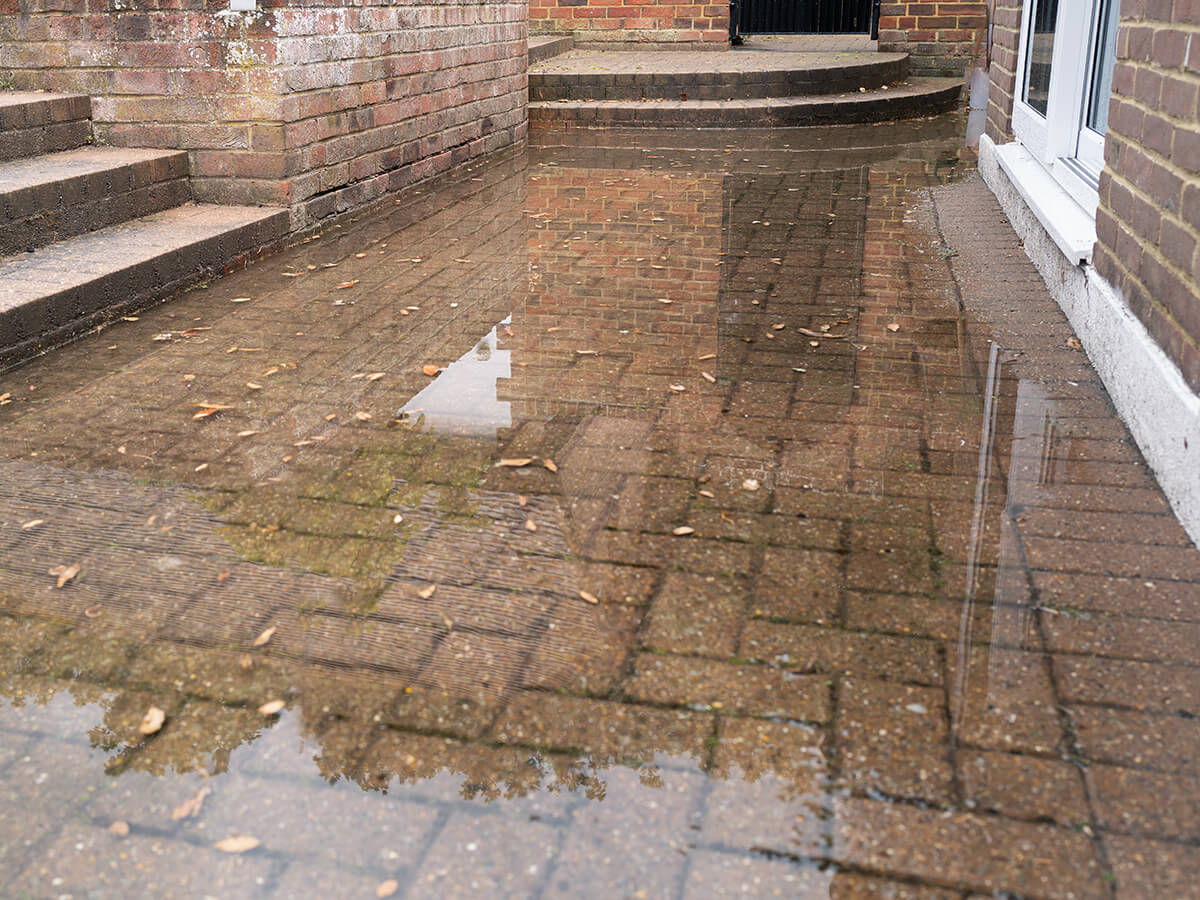
Improper grading and drainage can lead to various problems, affecting the foundation of structures, the health of the landscape, and the overall enjoyment of outdoor spaces.
- Poor Grading
Poor grading is a common drainage issue where land slopes towards the foundation or lacks adequate slope to direct water away from structures. This can lead to water pooling, soil erosion, plant damage, and mosquito breeding grounds.
To address this, re-grading the land to create proper slopes, adding fill soil to raise low areas or removing soil to create a more pronounced slope. Additionally, installing drainage pathways like French drains or swales can channel water away from problem areas and direct it towards appropriate outlets.
- Improper Gutter Systems
Gutter systems are crucial for managing rainwater runoff from roofs, but improper ones can cause drainage issues. Clogged gutters can overflow, causing water to cascade down the house and pool around the foundation. Unslopped or improperly positioned gutters can direct water towards the foundation.
Addressing these issues requires regular maintenance, including cleaning and ensuring proper water flow. Damaged or misaligned gutters may require repairs or adjustments. In some cases, extending downspouts or adding splash blocks can further channel water away from the foundation.
- Soil Compaction
Compacted soil can hinder proper drainage by reducing water absorption, leading to increased runoff and erosion. It can also suffocate plant roots, making them more susceptible to diseases. To improve drainage, aeration can create holes in the ground, improving air and water penetration. Altering the soil with organic matter like compost or peat moss can also enhance drainage by increasing its porosity and water-holding capacity. In severe cases, it may be necessary to replace the compacted soil with a more suitable mix.
- Lack of Drainage Features
Inadequate drainage features, particularly in heavy rainfall or poor natural drainage, can lead to flooding, erosion, and landscaping damage. To address these issues, appropriate drainage solutions should be installed, such as French drains, swales, and catch basins. These features intercept and redirect water away from foundations, slow down runoff, and collect water from gutters and sources, depending on the site’s conditions and the nature of the drainage issues.
Landscape grading and excavation are fundamental for establishing proper drainage, ensuring the longevity of structures, and creating a functional and aesthetically pleasing outdoor environment. Addressing drainage issues promptly can prevent costly repairs and maintain the property’s value. Consulting with a qualified landscape professional can provide tailored solutions for effective drainage and a thriving landscape.
For expert advice and assistance with your landscape grading and drainage needs, contact Plumbing Authority at (647) 992-7473. Our experienced team can assess your property, recommend appropriate solutions, and ensure the proper flow of water away from your valuable investment.