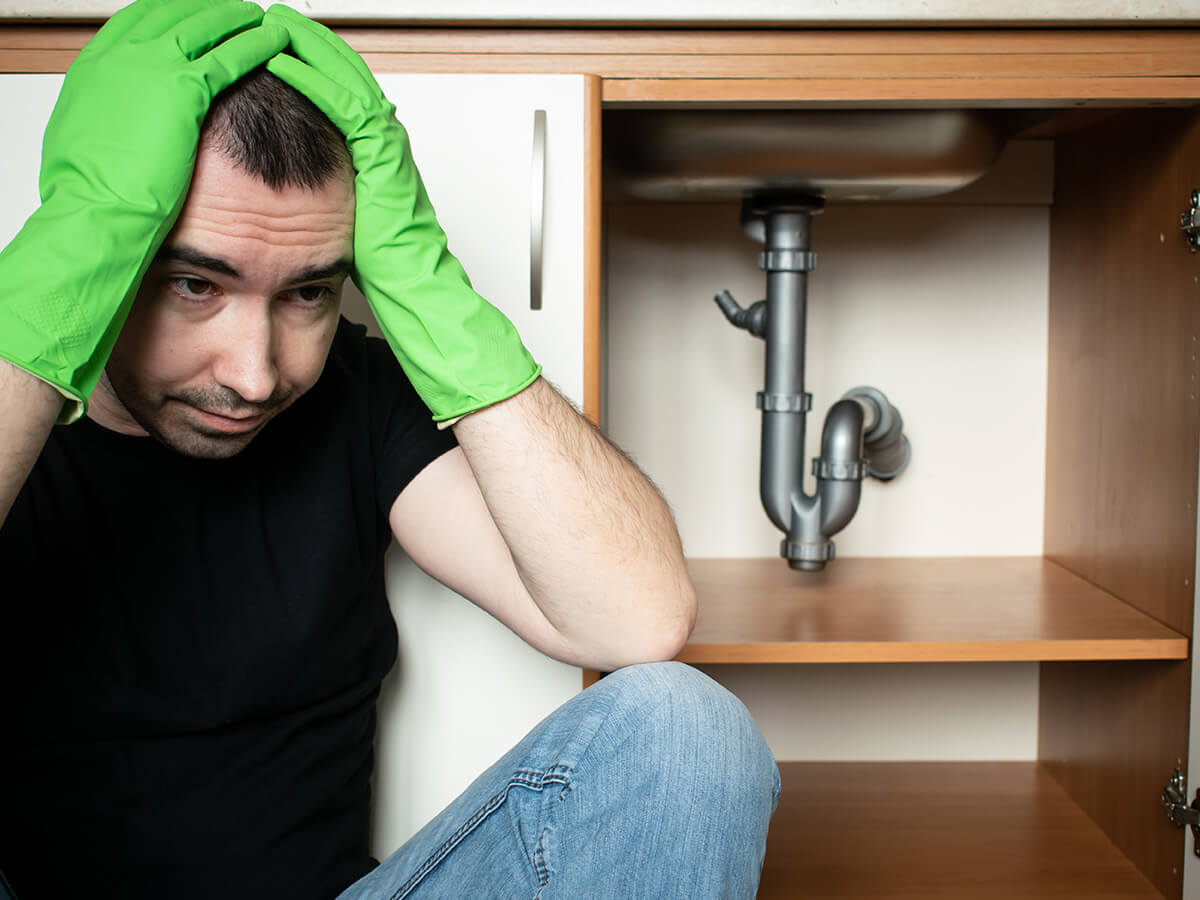
Many homeowners find great joy in fixing things around the house. There is a clear sense of pride that comes with finishing a repair using your own hands. Fixing a leaky tap or swapping out a showerhead feels like a win for the monthly budget. Saving money on labour costs is a strong motivator for most people in Canada today. This desire to be self-reliant helps maintain property value and keeps the home in good shape without overspending on basic tasks.
There is a large gap between what we expect to happen and what actually occurs during a home repair. Small errors often lead to massive floods or structural rot that costs thousands to fix. This guide identifies specific red flags so you can decide when to grab your tools and when to call a professional. Knowing your limits keeps your home safe and your insurance valid. We provide clear advice on how to spot a potential plumbing failure before it ruins your flooring or walls.
Why People Love to DIY their Plumbing System
Modern culture encourages people to take control of their home maintenance through accessible information. Residential plumbing maintenance has become a popular weekend activity for those looking to improve their property value without spending a fortune. Handling your own pipes offers a sense of independence that many Canadians find rewarding and practical in an era of rising costs.
- Financial Savings on Labour
Hiring a licensed professional involves paying for expertise and travel time. Many people choose to perform home pipe repairs themselves to keep those funds for other needs. Avoiding a service fee for a ten-minute job seems like a logical way to manage a household budget effectively. It allows for more spending on high-quality fixtures instead of labour.
- Immediate Fix Gratitude
Waiting for a technician to arrive can take days depending on their schedule. Doing the work yourself provides an instant solution to annoying problems like a slow drain. Most owners prefer the speed of an emergency plumbing fix they can start the moment a problem appears. This quick action prevents small leaks from growing into larger, more expensive issues over time.
- Sense of Personal Achievement
Completing a physical task produces a high level of satisfaction that office work often lacks. Seeing a dry floor after fixing a leak provides a tangible result of hard work. Many Canadians treat home improvement projects as a hobby that improves their living space and mental health. There is a special kind of peace that comes from knowing your home is well-maintained by you.
- Availability of Online Tutorials
The internet provides thousands of videos showing exactly how to swap a valve or clear a trap. These resources make amateur plumbing techniques seem easy for anyone with basic tools. Having a guide available on a smartphone makes the task feel less intimidating to a beginner. It acts as a digital mentor that walks you through every step of the installation process.
9 Common DIY Plumbing Mistakes
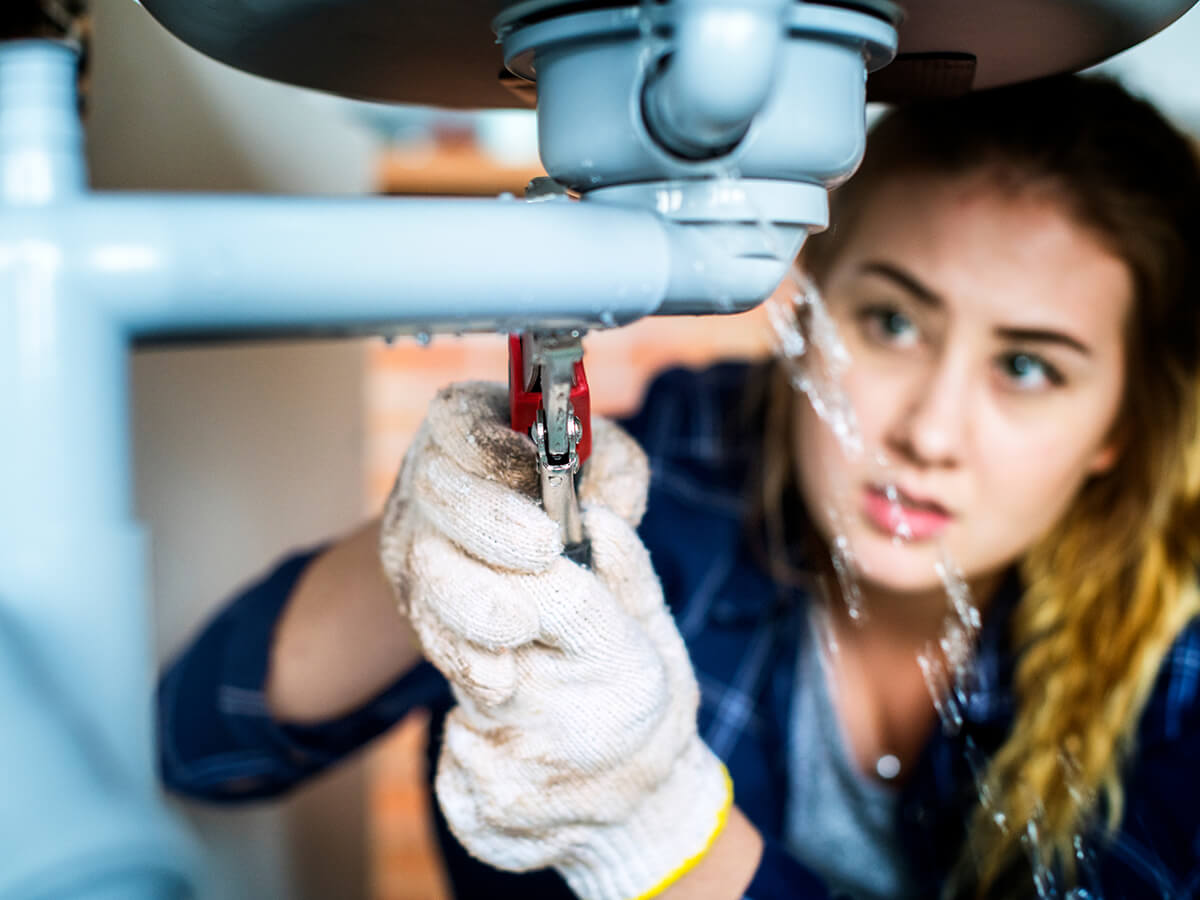
Errors in water management lead to hidden damages that might not show up for months. Using the wrong plumbing installation methods can result in slow leaks behind walls or even sewage backups. Even a small slip can void a home insurance policy if the work is not up to code.
- Using Excess Thread Tape
Teflon tape is meant to lubricate threads for a tighter fit. Using too much can actually crack the female fitting or prevent a proper seal. This leaky pipe repair mistake often leads to a slow drip that rots the cabinet floor over several weeks of use. Only a few wraps are needed to ensure the connection stays dry and secure for years.
- Overtightening the Connections
Many believe that tighter is always better when dealing with water pressure. Excess force breaks rubber washers and strips the threads on metal nuts. This faulty plumbing connection eventually fails under pressure, leading to a sudden burst that causes significant water damage to the basement. A snug fit followed by a quarter turn is usually the safest way to tighten.
- Mixing Different Pipe Materials
Connecting copper directly to galvanized steel causes a chemical reaction called galvanic corrosion. This reaction eats through the metal and creates a hole in the line. Proper residential pipe installation requires a dielectric union to keep the different metals from touching and decaying quickly. Ignoring this rule ensures the pipe will fail within just a few years of installation.
- Mismatched Drain Pipe Sizes
Using a pipe that is too small for the volume of water leads to frequent clogs. Codes dictate specific diameters for toilets versus sinks to ensure waste flows correctly. Ignoring plumbing code requirements results in a system that gurgles and backs up whenever multiple fixtures are used. Always check local standards before buying new drainage pipes for your renovation.
- Forgetting to Turn Off Water
It sounds simple, but many people start a project without fully draining the lines. This results in an accidental home flood the moment a valve is loosened. Always locate the main shut-off valve and test it before removing any parts from the pressurized system. Having a bucket ready under the sink is a good backup plan for trapped water.
- Improper Trap Installation
The P-trap is designed to hold a small amount of water to block sewer gases. Installing it backwards or using an “S-trap” allows those gases into your living space. This unsafe plumbing practice creates a foul smell and poses a health risk to the residents. Proper alignment is vital to keep the barrier of water intact and functional at all times.
- Excessive Use of Chemical Cleaners
Liquid drain openers are highly acidic and can eat through old metal pipes. Repeated use thins the walls of the pipe until they collapse or leak. Professional drain clearing services usually suggest mechanical snakes instead of chemicals to protect the integrity of the plumbing. These chemicals are also dangerous to the environment and the person handling the bottles.
- Not Venting the System
Every drain needs an air vent to allow water to flow smoothly. Without a vent, the water creates a vacuum that slows down drainage and siphons water out of traps. Poor plumbing vent design is a major cause of slow sinks and gurgling toilets. Proper venting ensures that air pressure stays balanced throughout the entire house drainage system.
- Soldering Near Flammable Items
Using a torch to sweat copper pipes requires extreme care. Many amateurs accidentally set fire to insulation or wooden studs behind the wall. Always use a plumbing heat shield and keep a fire extinguisher nearby when performing any soldering in tight spaces. Heat can travel through the pipe and start a fire several inches away from the flame.
How to Avoid Plumbing Mistakes
Prevention is the most cost-effective way to manage your home infrastructure. Following best plumbing practices ensures that your system remains functional for decades without needing major overhauls. Adhering to the National Plumbing Code of Canada is the first step toward a safe and dry household environment. Taking time to plan your project prevents the stress of a midnight emergency repair.
- Invest in Quality Tools
Using a pair of pliers when you need a pipe wrench will damage the fixtures. Having the right plumbing tool kit makes it easier to apply the correct amount of torque. High-quality tools reduce the risk of slipping and causing injury to yourself or the pipework. It is better to buy a tool once than to pay for a ruined fixture.
- Research the Local Codes
Every province has specific rules regarding how pipes must be laid out. Checking the Canadian plumbing regulations ensures your work is legal and safe. This is especially important if you plan to sell your house, as unpermitted work can ruin a deal. Your local building office can provide pamphlets on basic code requirements for homeowners.
- Map Your Shut-off Valves
Know exactly where every valve is located before a leak happens. Labelling these valves helps you act quickly during a plumbing emergency situation. Speed is the most important factor when trying to limit water damage from a broken pipe or failed water heater. Make sure everyone in the house knows how to turn off the main water line.
- Use Only Approved Materials
Avoid buying cheap, unbranded replacement parts from unreliable online sources. Look for the CSA (Canadian Standards Association) mark on all certified plumbing components. Using tested materials prevents premature failure and ensures the parts can handle the water pressure in your area. Standard parts are also much easier to replace if they fail in the future.
- Document Your Work Progress
Take photos of the system before you take it apart. This provides a visual guide for how the pieces should fit back together. Digital plumbing repair records are also helpful for professionals if they need to come in and finish the job later. These photos can also serve as proof for insurance companies that the work was done carefully.
- Know When to Stop
If a bolt won’t turn or a leak gets worse, put the tools down. Forcing a repair usually leads to a much bigger problem. Recognizing your DIY skill limits is a sign of a responsible homeowner who values the safety of their property. Calling for help early is cheaper than calling for help after a major flood has occurred.
Plumbing is a vital part of your home’s health that requires respect and precision. While the desire to save money and handle repairs personally is admirable, the risks of water damage are high. Statistics from the Insurance Bureau of Canada show that water damage is now the leading cause of home insurance claims, often surpassing fire and theft. Simple errors in DIY pipe fitting can lead to long-term issues like mould growth and structural weakening. By understanding the common pitfalls and following safety guidelines, you protect your investment and ensure your family’s comfort. A well-maintained system is the foundation of a safe and happy household.
When a project becomes too large or if you feel unsure about a specific connection, it is best to rely on experts. Professional intervention ensures that all work meets the rigorous standards of the industry and provides peace of mind. To ensure your home stays dry and functional, trust the experts who understand the unique needs of Canadian infrastructure. For professional assistance and reliable repairs, reach out to Plumbing Authority, contact at (647) 992-7473.