
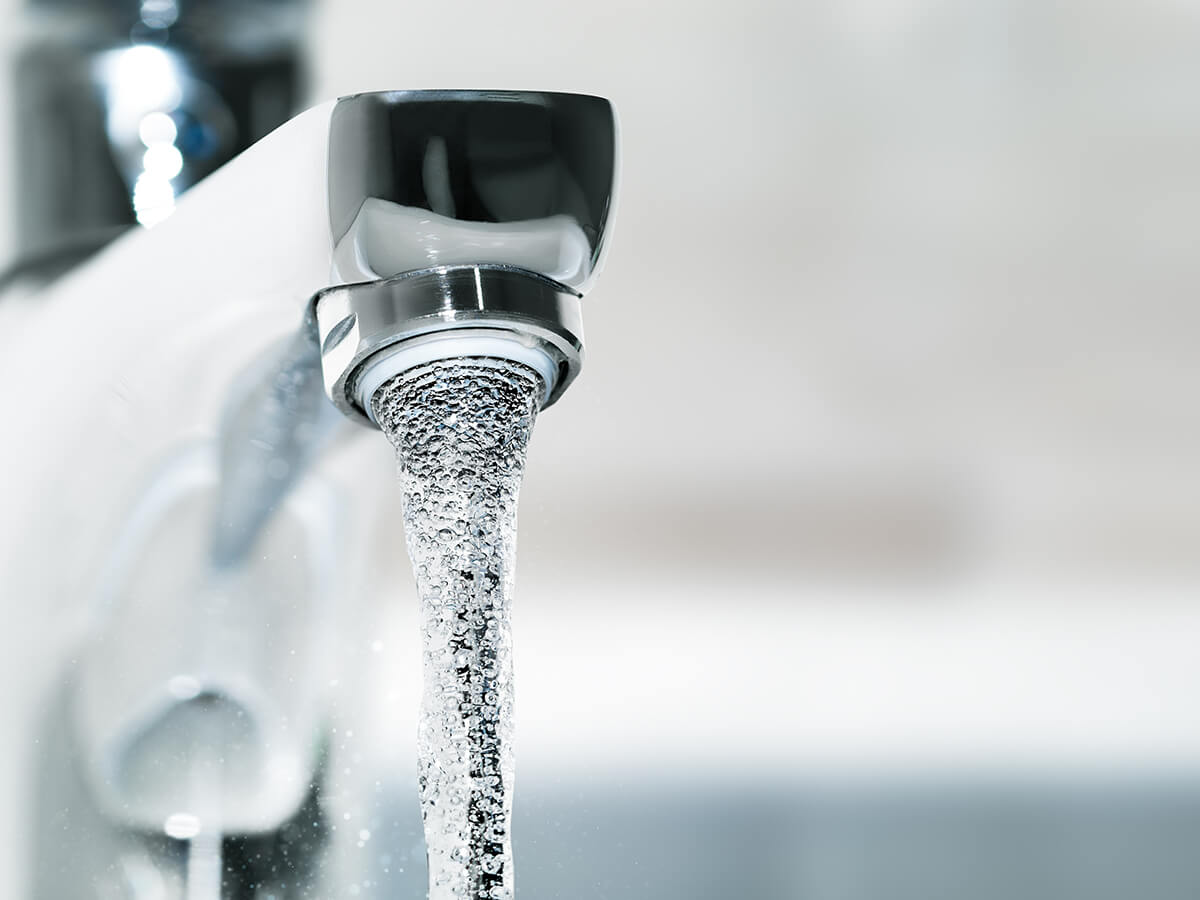
Hard water affects millions of households across Canada. It occurs when groundwater travels through deposits of limestone, chalk, or gypsum. This journey allows the water to pick up high levels of calcium and magnesium carbonates. While these minerals do not pose a direct health risk, they significantly change how water behaves in your plumbing system and cleaning routines. Identifying these changes early helps prevent long-term damage to your home infrastructure and personal belongings.
Managing mineral-heavy water is a standard part of Canadian home maintenance. High concentrations are common in regions like Southern Ontario and the Prairies. Health Canada notes that while there is no formal drinking water guideline for hardness, levels above 200 mg/L are considered poor but tolerable, while levels exceeding 500 mg/L are generally considered unacceptable for most domestic purposes. Recognizing the physical evidence of these minerals allows you to make informed decisions about filtration and treatment systems for your specific property.
8 Signs You Have Hard Water
If you suspect your supply contains high mineral levels, specific physical cues will appear throughout your home. These calcium-rich water indicators show up on surfaces, within appliances, and even on your body after bathing. Monitoring these signs helps you gauge the severity of the issue before it causes permanent pipe blockages.
- White Chalky Residue on Fixtures
You might notice stubborn white spots on your taps and showerheads. This limescale buildup happens when water evaporates and leaves minerals behind. Over time, these deposits harden and become very difficult to scrub away. They can eventually restrict the flow of water through your aerators.
- Cloudy or Spotted Glassware
Dishes often come out of the dishwasher looking foggy or covered in white circles. This film is not dirt; it is a layer of calcium carbonate. Using more detergent rarely fixes the issue. These hard water stains on glass happen because the minerals bond to the surface during drying.
- Dry and Itchy Skin or Hair
High mineral content prevents soap from rinsing away properly. This leaves a thin film on your body that strips away natural oils. You may feel a “squeaky” sensation that actually indicates skin irritation. Dealing with dry skin from hard water is a common complaint for many Canadian families.
- Stiff and Faded Laundry
Clothes often feel rough or scratchy after a wash cycle. The minerals get trapped in the fabric fibres, making them brittle. Whites may turn a dull grey or yellow, and bright colours fade much faster. This mineral interference in laundry shortens the lifespan of your favourite garments.
- Reduced Water Pressure
Scale does not just form on the outside of taps; it grows inside your pipes. As the diameter of the pipe narrows, your water pressure drops significantly. If your shower feels weaker than it used to, you likely have mineral scale in plumbing restricting the internal flow.
- Appliances Breaking Down Early
Dishwashers and washing machines struggle when they have to heat high-mineral content water. The heating elements become coated in scale, which forces the motor to work much harder. This leads to frequent repairs or total mechanical failure well before the expected lifespan of the expensive household appliance.
- Soap Scum in Bathtubs
When soap reacts with calcium, it forms a curd-like substance instead of a lather. This grey film sticks to tiles and shower curtains. Cleaning this bath soap scum requires harsh chemicals and significant physical effort. It is a clear sign that your water chemistry is out of balance.
- Strange Tastes or Smells
While the minerals are naturally occurring, they can give your tap water a metallic or earthy flavour. Some people find the texture “heavy” or unpleasant to drink. If your morning coffee tastes off, dissolved minerals in drinking water might be the reason for the change in profile.
What to Do if You Have Hard Water

Once you confirm the presence of minerals, you should take steps to protect your home. Local data from the City of Toronto suggests that water hardness varies by ward, often hovering around 120 to 130 mg/L. Taking action reduces your monthly energy bills and saves money on cleaning supplies. Implementing a water quality solution is a long-term investment.
- Conduct a Professional Water Test
A laboratory test provides an exact grain-per-gallon count. This data is vital for choosing the right equipment. You cannot fix what you have not measured accurately. A certified water hardness test ensures you are not guessing about the mineral levels present in your specific residential pipes.
- Install an Ion-Exchange Water Softener
This is the most effective way to remove calcium and magnesium. The system swaps mineral ions for sodium or potassium ions. Using a home water softening system eliminates scale at the source. This ensures that every tap in your house delivers treated, gentle water for all uses.
- Clean Surfaces with Vinegar
Acetic acid is excellent for dissolving existing mineral deposits. Soak your showerheads in a bowl of white vinegar overnight to clear the holes. This natural limescale removal method is cheap and safe for the environment. It helps maintain your fixtures until you install a permanent filtration solution.
- Lower Your Water Heater Temperature
Minerals precipitate faster at higher temperatures. By keeping your heater set to roughly 49°C (120°F), you slow down the rate of scale accumulation inside the tank. This simple water heater maintenance tip extends the life of the unit and reduces the risk of a tank burst.
- Use Specialized Cleaning Agents
Look for detergents specifically designed for hard water. These products contain chelating agents that prevent minerals from sticking to your clothes or dishes. Using hard water compatible soap reduces the amount of residue left behind, though it does not solve the underlying plumbing issues in your home.
- Flush Your Water Heater Annually
Sediment collects at the bottom of your tank every year. Draining the tank removes the “mud” of minerals that settles near the heating element. This plumbing system flush improves efficiency and prevents the tank from making popping noises, which are caused by steam bubbles trapped under scale.
- Schedule a Professional Inspection
A plumber can check your hidden pipes for signs of internal damage. They use cameras and pressure gauges to find bottlenecks. Getting a professional plumbing assessment helps you understand if you need to replace old pipes or if a softener alone will solve the current pressure problems.
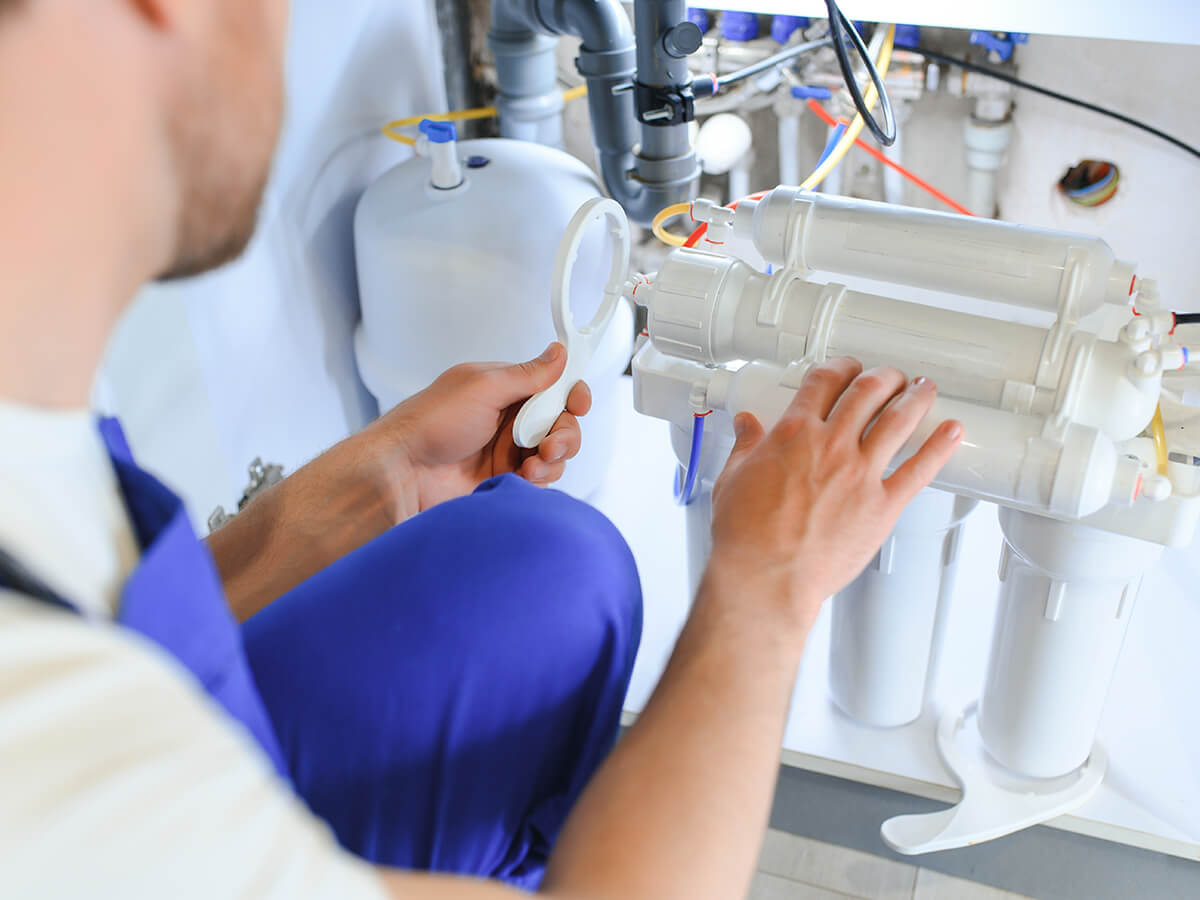
Addressing water hardness is a practical necessity for maintaining a functional Canadian home. Ignoring the signs of mineral buildup leads to higher utility costs, ruined appliances, and persistent cleaning frustrations. By identifying the symptoms early and choosing a proper treatment method, you preserve the value of your property and the comfort of your daily life. Whether you need a simple test or a full system installation, professional guidance ensures your water remains a benefit rather than a burden.
If you are tired of dealing with spots on your dishes or low pressure in your shower, it is time to act. Reliable help is available to restore your water quality and protect your pipes from further damage. For expert assistance and high-quality installations from a trusted Plumbing Authority, contact at (647) 992-7473. Our team will help you find the right solution for your specific household needs today.