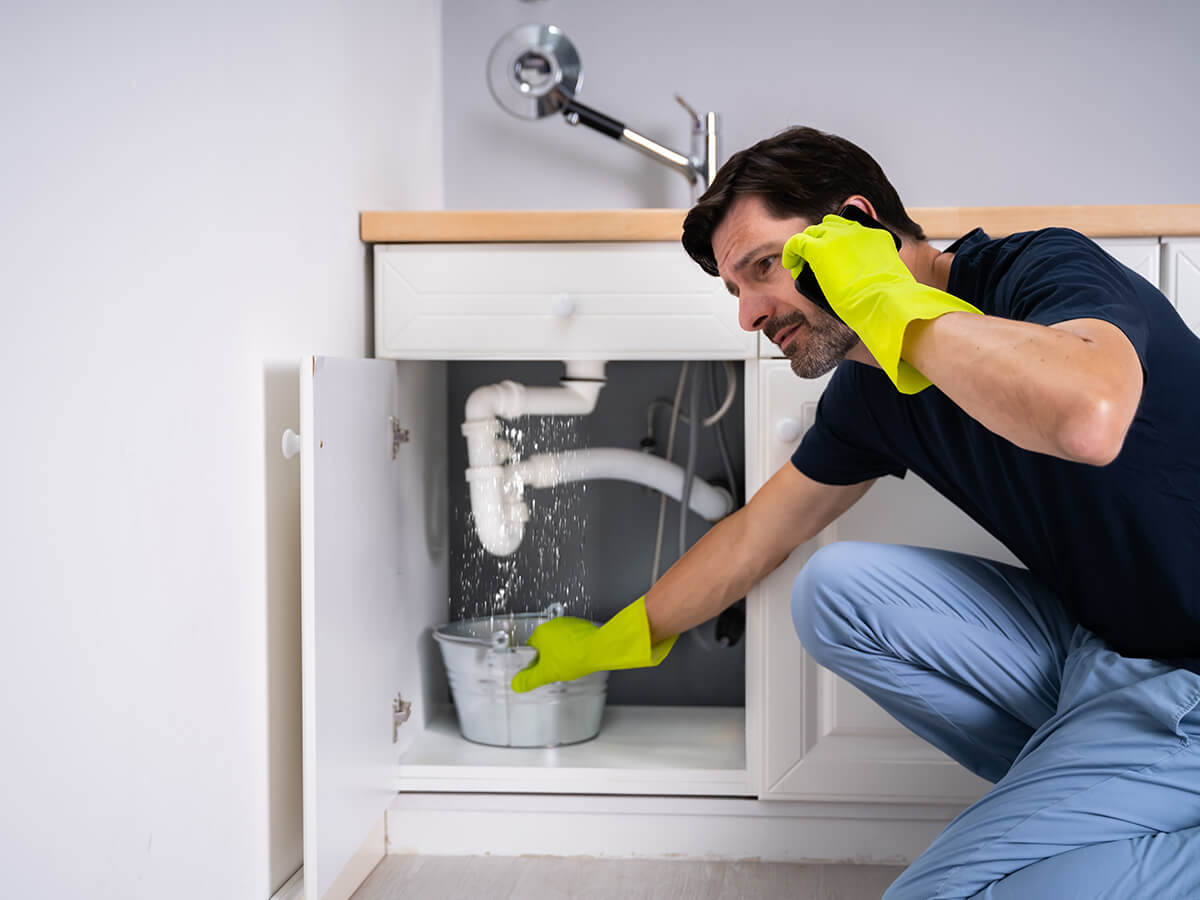
High water pressure might feel like a luxury in the shower, but for your plumbing system, it’s a ticking time bomb. This guide explores how to identify “stress-testing” levels of pressure and the steps you can take to protect your home from a sudden, watery disaster. Keeping your home safe requires understanding how municipal systems interact with your internal pipes. While forceful flow makes cleaning easier, it often hides underlying structural risks that eventually lead to costly repairs and property damage.
Most homeowners enjoy strong flow without realizing it exceeds safe limits. A stable plumbing system pressure should generally stay between 40 and 60 pounds per square inch. When levels climb above 80 psi, the risk of a rupture increases significantly. This article provides a technical look at monitoring techniques and preventative hardware to ensure your house remains dry. By following these steps, you can avoid the financial burden of emergency restorations and maintain your fixtures for much longer.
Why High Water Pressure Is a Silent Threat
Excessive force within your pipes does not always cause immediate leaks, but it does cause progressive degradation of every joint and seal in the house. Canadian building codes and municipal guidelines often specify limits to prevent infrastructure failure. Here are the primary reasons why excessive pipe force creates long-term hazards for your property.
- Accelerated Pipe Wall Thinning
Water moving too fast creates friction against the inner walls of copper or PEX tubing. Over several years, this constant rubbing wears down the material from the inside out. This thinning makes the metal brittle and prone to pinhole leaks that are hard to find early.
- Premature Appliance Component Failure
Dishwashers and washing machines use solenoid valves to control flow. These parts have ratings for specific limits. When the incoming water velocity is too high, these valves work harder to shut off. This leads to cracked plastic parts and internal motor burnout long before expected.
- Water Heater Tank Fatigue
High pressure forces more water into the thermal expansion tank than it can handle. This creates a cycle of stretching and shrinking for the inner lining of your heater. Eventually, the metal welds fail under the strain. A residential pressure surge can cause a total tank collapse.
- Joint and Connection Weakening
Most leaks start at elbows, tees, or threaded connections. Constant high force vibrates these points every time a tap opens or closes. This mechanical stress slowly pulls the fittings apart. Once a joint loosens slightly, the high speed of the water quickly widens the gap.
- Damaged Faucet O-Rings
High force pushes past the rubber seals designed to stop drips. You might notice your taps dripping even when shut tightly. Replacing the seals is only a temporary fix if the domestic water intensity remains too high. The new rubber will simply fail again within months.
- Increased Utility Consumption Costs
Running a tap at 80 psi uses significantly more litres per minute than running it at 50 psi. Most of this extra water goes straight down the drain without providing any extra benefit. This waste shows up on your monthly municipal bill as an unnecessary expense.
Common Signs Your Water Pressure Is Too High
You do not always need a gauge to know there is a problem. Your house provides several audible and visual cues that the systemic hydraulic load is too high. Paying attention to these small warnings can prevent a massive flood. Look for these specific indicators in your daily routine.
- Frequent Water Hammer Noises
A loud bang or thud in the walls when you turn off a tap is called water hammer. It happens when fast-moving water stops suddenly and sends a shockwave back through the pipes. Frequent banging indicates that your pipe internal force is far beyond the safe operating range.
- Running Toilets Between Flushes
High force can lift the flapper valve or overwhelm the fill valve in your toilet tank. If you hear your toilet “ghost flushing” or running constantly, it is often because the inlet water thrust is too strong for the internal float mechanism to hold back effectively.
- Vibrating Pipes During Use
If you feel the floor or walls shaking when the laundry is running, the water is likely moving too fast. This turbulence creates mechanical energy that travels through the building frame. Persistent structural plumbing vibration is a clear sign that the flow needs to be regulated immediately.
- Mist from High-Flow Faucets
When you turn on the kitchen sink, the water should come out in a steady stream. If it comes out as a fine mist or sprays wildly, the velocity is too high. This aerated water discharge indicates that the air-to-water ratio is being distorted by excessive speed.
- Dripping Relief Valves
Your water heater has a Temperature and Pressure (T&P) relief valve. If you see water pooling on the floor under the discharge pipe, the valve is doing its job by venting excess force. However, frequent venting means your base plumbing pressure is hovering near the danger zone.
- Explosive Flow at Start
Watch the tap when you first turn it on after it has been sitting for an hour. If a huge burst of water comes out before settling into a normal stream, the static pressure has built up. This static line buildup puts immense strain on the faucet’s internal cartridges.
How to Test Your Water Pressure
Testing is a simple task that every homeowner should perform at least once a year. You can buy a simple testing tool at any local hardware store. Follow these steps to get an accurate hydraulic system reading.
- Purchase a Standard Pressure Gauge
Buy a gauge that measures up to 100 or 150 psi. Ensure it has a female hose thread attachment so you can screw it directly onto a tap. A calibrated water meter tool is the only way to get a real number instead of just guessing.
- Locate the Correct Testing Point
The best place to test is the outdoor hose bib or the laundry tub faucet. These are usually direct lines that give a clear picture of the main service force. Avoid testing through a showerhead, as the internal restrictors will give you a false, lower reading.
- Ensure All Water is Off
For a correct static reading, no water should be moving in the house. Turn off the ice maker, the dishwasher, and make sure no one is showering. Any flow will cause a dynamic pressure drop, which hides the true peak force your pipes face.
- Attach the Gauge Securely
Screw the gauge onto the threads of the faucet. Make sure the rubber washer is inside the gauge so it does not leak. A leaking connection will result in an inaccurate plumbing diagnostic. Tighten it by hand until it is firm and creates a seal.
- Open the Valve Fully
Turn the faucet handle all the way to the open position. The needle on the gauge will jump instantly. This shows you the current line tension. Leave it open for a minute to see if the needle moves or stays steady at the high mark.
- Check the Peak Reading
Read the number on the dial. If it sits between 40 and 60 psi, your home is safe. If it exceeds 80 psi, you have a high-pressure plumbing risk. Write this number down so you can compare it to future tests or show a professional.
- Test at Different Times
Municipal pressure fluctuates throughout the day. Test once in the morning and once late at night when city usage is low. You might find that your nighttime water surge is much higher than what you see during the busy afternoon hours.
The Best Ways to Prevent a Pipe Burst
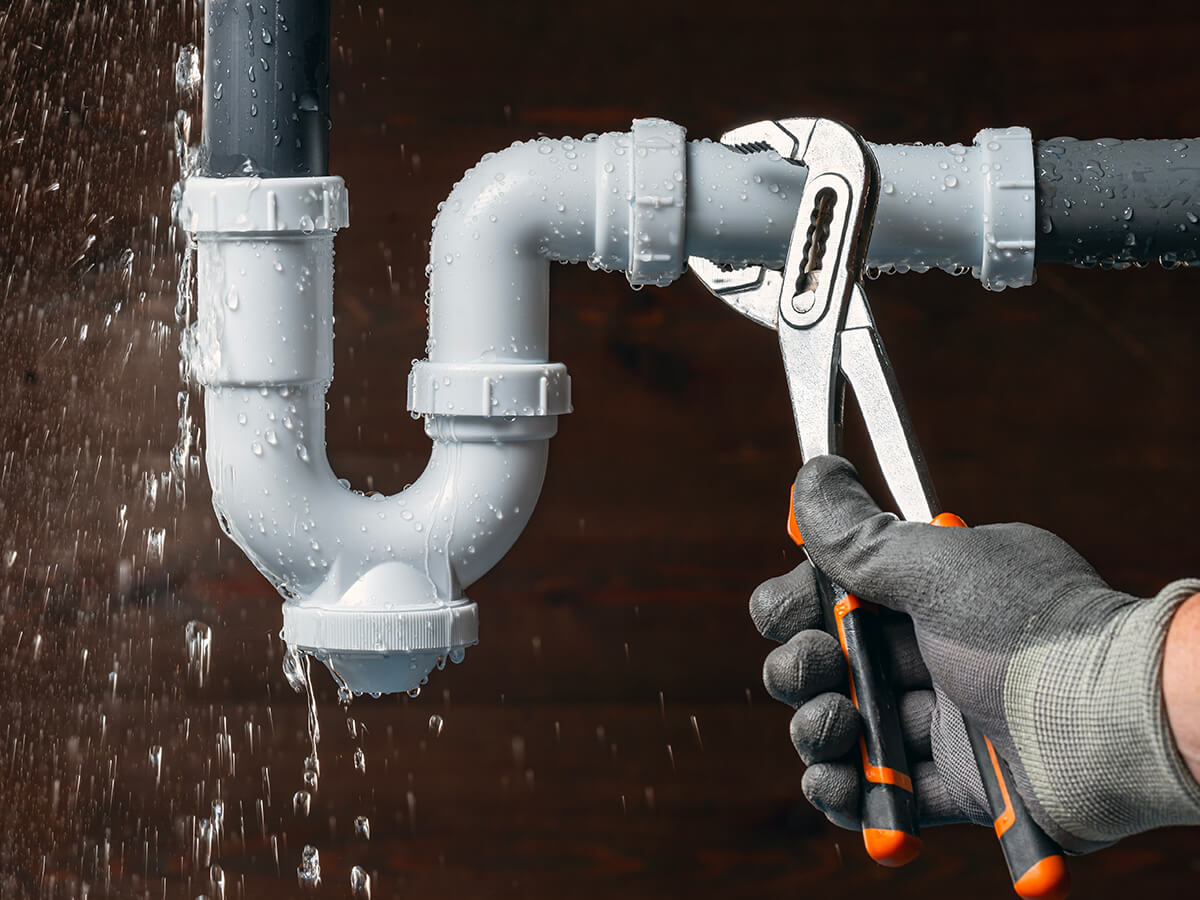
Prevention is cheaper than a basement renovation. In Canada, water damage is a leading cause of home insurance claims, often exceeding fire damage in total annual costs. Taking proactive steps to lower the internal pipe stress will save you thousands of dollars. Use these methods to secure your plumbing.
- Install a Pressure Reducing Valve
A PRV is a bell-shaped brass fitting installed on your main water line. It takes the high-force water from the city and steps it down to a safe level. This automatic flow regulator is the most effective way to protect every pipe in your entire house.
- Replace Old Regulator Valves
If you already have a PRV but your pressure is high, the internal spring or diaphragm has likely failed. These valves usually last about 10 to 15 years. A failed water regulator can actually block flow or let the full city force through, causing a burst.
- Add a Thermal Expansion Tank
When water is heated, it expands. If your system is “closed” by a check valve or PRV, that expanding water has nowhere to go. An expansion tank provides a cushion. This thermal surge protector prevents the heater from over-pressurizing the rest of the house.
- Inspect the Main Shut-off Valve
Ensure you can turn off the water quickly in an emergency. If a pipe does burst because of excessive hydraulic stress, knowing where the main valve is can limit the volume of water that enters your home. Test the valve to ensure it actually stops the flow.
- Use Braided Stainless Steel Lines
Replace plastic or plain rubber supply lines on toilets and sinks with braided steel versions. These are much more resistant to high-pressure ruptures. While they do not lower the pressure, they provide a much stronger physical barrier against a sudden “blowout” at the connection.
- Schedule a Professional Audit
A licensed plumber can check for hidden leaks that high pressure might have already caused. They use specialized tools to check the integrity of the plumbing. Regular professional checks ensure that small weaknesses are caught before they turn into a major structural failure or flood.
- Monitor Municipal Infrastructure Updates
Sometimes the city increases pressure to accommodate new high-rise developments. If you live in an area with lots of new construction, your neighbourhood water delivery might have changed recently. Stay informed about local utility work that could impact your home’s internal safety levels.
Maintaining safe water pressure is a fundamental part of home ownership that often goes overlooked. While the sensation of high-force water is pleasant, the physical toll it takes on your infrastructure is severe. By identifying the signs of stress and using tools like a Pressure Reducing Valve, you can ensure your pipes remain intact for decades. Ignoring these warnings leads to catastrophic failures that are entirely preventable with basic maintenance and professional oversight.
Protecting your investment starts with a simple test and a commitment to keeping your system within safe limits. If you notice banging pipes, dripping faucets, or have measured your flow above 80 psi, act immediately. For expert assistance and a full system evaluation, rely on us at Plumbing Authority, contact (647) 992-7473 today.