
Stepping into a shower only to be met by an icy blast of water is a frustrating experience. This usually happens after a day of heavy laundry, running the dishwasher, or multiple back-to-back baths. The sudden lack of warmth indicates that your system has reached its limit and cannot keep up with the current demand for hot water.
Water heaters are hard-working mechanical tools that face constant physical strain. Residential water heating recovery issues often stem from thick sediment layers, worn-out thermostats, or simply exceeding the tank’s capacity. Helping your system bounce back involves giving the unit a period of rest while performing basic upkeep to clear out internal blockages.
Common Causes of Water Heater Stress
The average Canadian household uses 19.3% of its total energy from water heaters. As a result, water heaters use the second most energy in the house, only surpassed by overall home heating. When these units work too hard, their efficiency drops and parts begin to fail.
- Sediment and Mineral Build-up
Calcium and magnesium settle at the bottom of the tank over time. This layer acts as a barrier between the burner and the water, forcing the system to run longer. High sediment accumulation in tanks creates a popping sound and slows down the heating process significantly.
- Thermostat Calibration Issues
The thermostat tells the unit when to fire up. If it is faulty, the water may never reach the correct temperature or might become dangerously hot. A failing water heater thermostat creates inconsistent cycles that wear out the heating elements or the gas burner assembly.
- High Volume Demand
Every tank has a specific First Hour Rating (FHR). If your family uses more litres than the tank can produce in sixty minutes, the system undergoes thermal exhaustion in heaters. This stress prevents the water from ever reaching a stable, comfortable temperature during peak hours.
- Anode Rod Depletion
The sacrificial anode rod protects the tank from rusting by corroding itself instead. Once this rod is fully dissolved, the steel tank begins to take the brunt of the corrosive water. This corrosion of water heater interiors eventually leads to leaks and permanent structural failure.
- Internal Component Wear
Dip tubes and heating elements have limited lifespans. A broken dip tube drops cold water at the top of the tank instead of the bottom, mixing with the hot water. This mechanical component fatigue results in lukewarm temperatures even when the heater is running constantly.
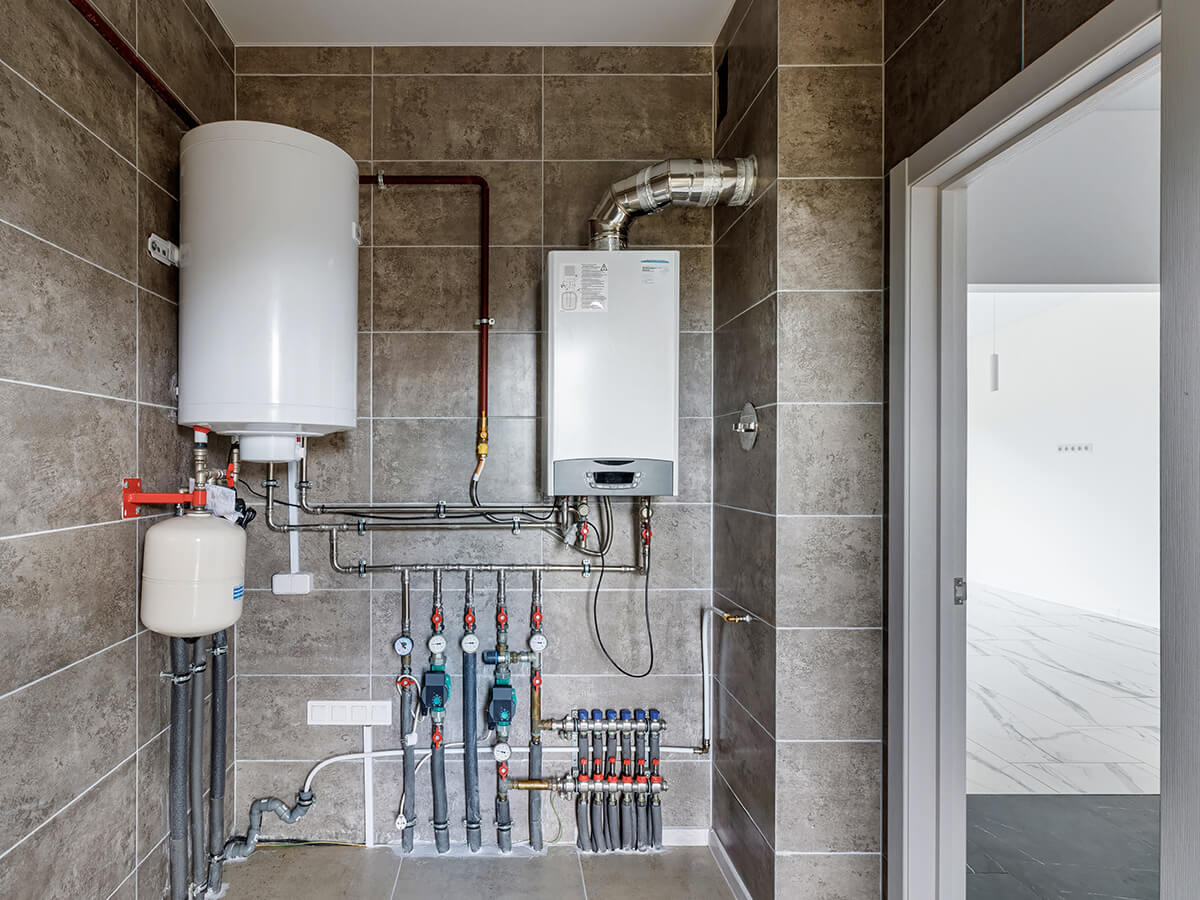
Tips to Help Your Water Heater Recover
Proper water heater maintenance techniques can extend the life of your appliance by several years. Following these steps ensures your unit can handle the daily needs of a busy Canadian household without breaking down.
- Perform a Full Tank Flush
Drain the tank to remove settled minerals and debris. This clearing of the base allows the heating element to work directly on the water again. Regular flushing of hot water tanks improves heat transfer efficiency and stops the unit from overheating during long cycles.
- Lower the Temperature Setting
Set your thermostat to 49°C (120°F). This is the standard recommendation from many health authorities to prevent scalding while reducing the workload on the heater. A lower water heater temperature slows down mineral buildup and reduces the constant strain on the internal tank lining.
- Insulate the Pipes and Tank
Wrap the first two metres of hot and cold pipes with foam sleeves. If you have an older model, use an insulating blanket for the tank itself. This thermal insulation for heaters traps heat inside, so the system does not have to cycle as often.
- Replace the Anode Rod
Check this rod every two years and replace it if it looks like a thin wire. Installing a new rod is a cheap way to stop the tank from rusting out. Proper anode rod replacement is the best way to prevent the unit from failing prematurely.
- Schedule a System Rest Period
Avoid running the dishwasher and washing machine at the same time. Spacing out hot water usage allows the tank to recover its set temperature without being emptied. This reduction in hot water demand prevents the system from staying in a constant, high-stress heating state.
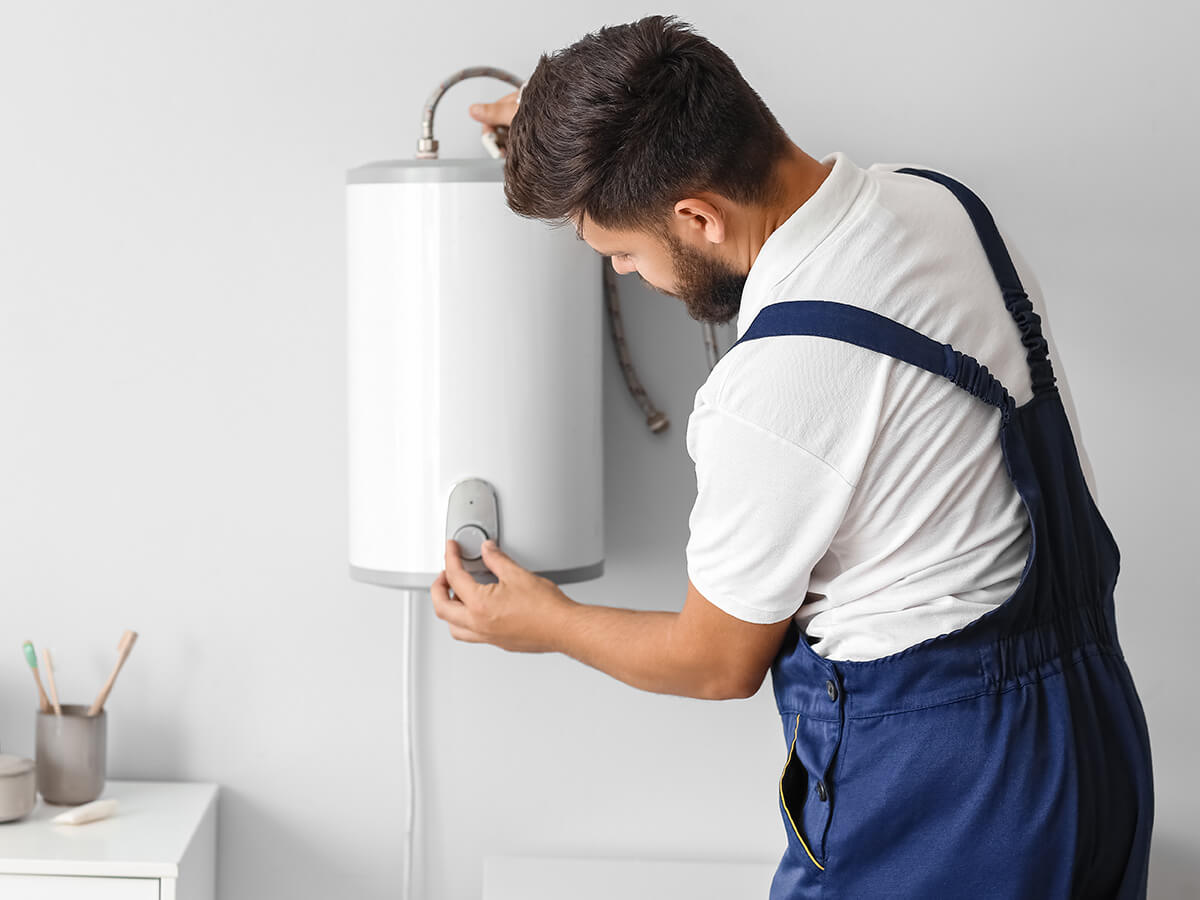
Knowing When to Replace
Sometimes a system is too far gone for simple repairs. The average lifespan of a water heater is about 8 to 12 years. Recognizing the signs of a terminal water heater failure saves you from expensive floor damage.
- Visible Rusting or Leaks
If you see water pooling around the base or rust on the outer shell, the inner tank is likely cracked. A leaking hot water tank cannot be repaired and usually requires an immediate swap. Moisture around the bottom is a sure sign of a compromised structure.
- Persistent Loud Noises
Banging or knocking sounds that continue after a flush mean the sediment has hardened into a thick crust. This hardened scale in heaters makes the metal brittle and inefficient. If the noise persists, the unit is likely too damaged to continue safe operation for long.
- Age of the Unit
Check the manufacturer’s label for the build date. Most units over a decade old are nearing the end of their functional life. An aging water heating system often costs more in monthly energy bills and frequent repairs than the price of a modern replacement.
- Frequent Part Failures
If you find yourself replacing thermostats or elements every few months, the system is no longer reliable. Constantly repairing a malfunctioning water heater is a sign that the overall integrity of the unit is gone. It is better to invest in a new, efficient model.
Restoring a stressed water heater is a matter of removing the physical barriers to heat and managing how much you ask of the machine. By flushing the tank and keeping the temperature at a reasonable level, you can stop the cycle of cold showers and high bills. These simple tasks keep your home running smoothly and ensure your equipment lasts as long as possible.
If your system continues to struggle despite these efforts, it might be time for a professional look. For expert help with your system or to discuss a more efficient replacement, reach out to Plumbing Authority, contact at (647) 992-7473. We can help you get your hot water back on track quickly and safely.