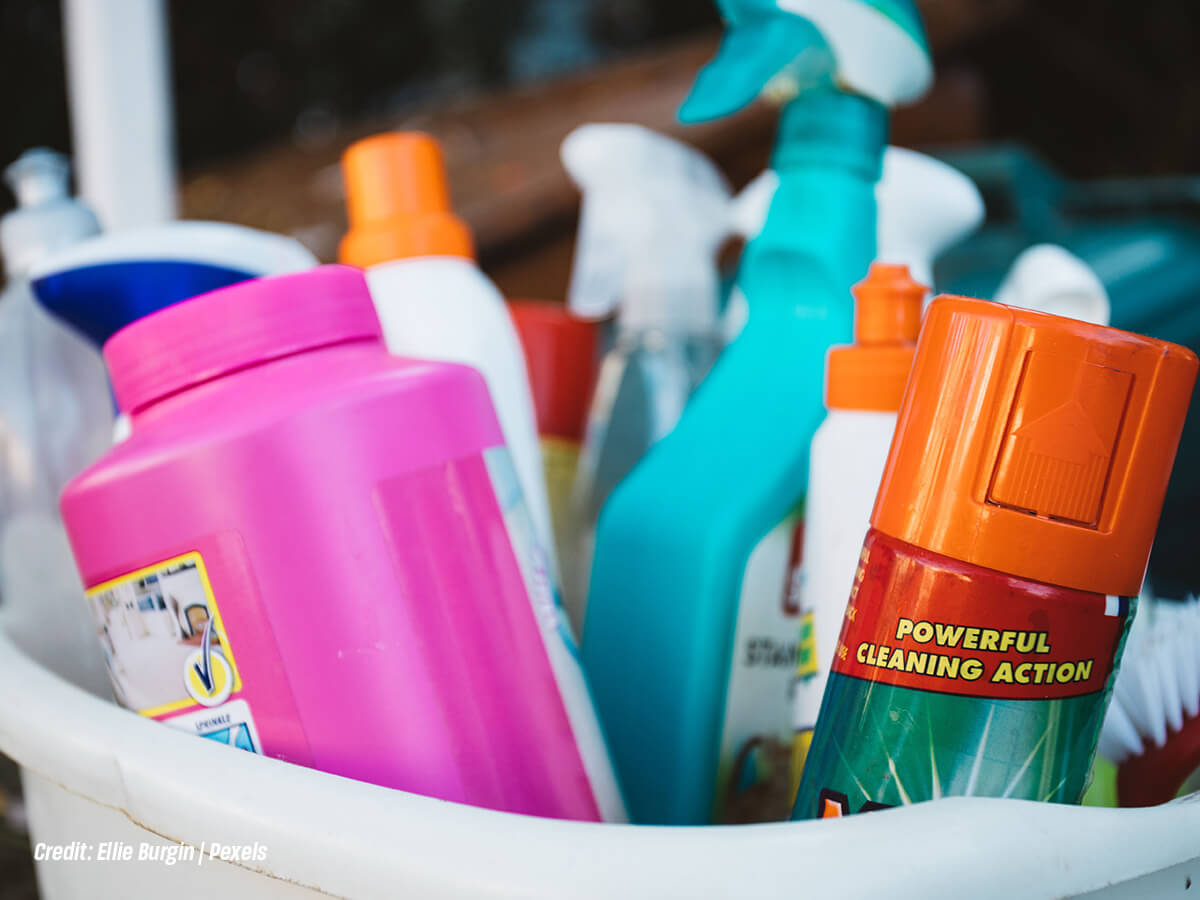
For property owners across Canada, relying on chemical drain cleaners is a gamble that often results in severe structural damage to plumbing systems, hazardous health risks, and a negative environmental footprint.
Rather than solving the core issue, these harsh liquids usually act as a temporary bandage that causes catastrophic damage behind the walls and beneath the floors.
Understanding the science behind these products and the long-term consequences of their use is essential for protecting your property and ensuring your plumbing system remains functional for years to come.
What Is So Destructive in Chemical Drain Cleaners?
To understand why chemical drain cleaners are so harmful, one must look at their chemical composition. Most over-the-counter DIY drain cleaners fall into three categories: caustic, oxidizing, and acidic.
- Caustic cleaners: These typically contain sodium hydroxide (lye) or potash. Caustic cleaners work by giving electrons to the clogging substance, inducing a chemical reaction that generates intense heat to dissolve grease and hair.
- Oxidizing cleaners: These contain household bleach, peroxides, and nitrates. They work by causing the organic material in the clog to lose electrons, generating gas and heat to clear the blockage.
- Acidic cleaners: Often containing high concentrations of sulfuric acid or hydrochloric acid, these are the most aggressive and dangerous. They draw electrons from the clog, creating a violent, heat-producing reaction that attempts to melt the obstruction away.
The common denominator among all these chemical formulations is the generation of extreme heat through an exothermic reaction. While this heat is intended to break down the organic matter causing the backup, it does not discriminate. It attacks everything it touches, including the very pipes designed to carry water safely away from your home.
How Chemical Cleaners Destroy Your Pipes
The plumbing networks in modern homes are typically constructed using a variety of materials, including PVC (polyvinyl chloride), ABS (acrylonitrile butadiene styrene), copper, and older galvanized steel or cast iron. None of these materials are entirely immune to the aggressive nature of liquid drain cleaners.
Melting Plastic Pipes
In newer constructions and recent renovations, PVC and ABS pipes are the standard. While plastic is highly durable against water and regular household waste, it has a specific melting point. The exothermic reaction caused by chemical cleaners can generate temperatures high enough to warp, soften, and even melt plastic pipes.
When the structural integrity of a PVC pipe is compromised, it can lead to immediate leaks or deformities that actually catch more debris, leading to even more frequent clogs in the future.
Corroding Metal Pipes
In older homes, cast iron, galvanized steel, and copper pipes are prevalent. Acidic and caustic cleaners are notoriously tough on these materials. When poured down the drain, the chemicals immediately begin to eat away at the interior lining of the pipes.
If a clog is particularly stubborn and the liquid sits stagnant in the pipe for an extended period, the sustained chemical reaction will corrode the metal, leading to thinning pipe walls, pinhole leaks, and eventually, catastrophic bursts.
The financial toll of replacing an entire section of deteriorated plumbing far exceeds the cost of hiring a professional to clear a drain correctly the first time.
Why Clogs Keep Coming Back
One of the most frustrating aspects of DIY drain cleaners is that they rarely solve the underlying problem. When you pour a chemical cleaner down a blocked drain, the liquid takes the path of least resistance. It may burn a small, narrow channel through the center of the clog—just enough to allow water to start draining again.
Because the water starts flowing, you assume the product worked perfectly. However, the vast majority of the sludge, hair, grease, and soap scum remains stuck to the inner walls of the pipe. Within a few weeks or months, new debris easily catches onto the sticky remnants of the old clog, completely blocking the pipe once again.
This creates a vicious cycle: you buy another bottle of cleaner, pour it down the drain, subject your pipes to another round of extreme heat and corrosion, and the cycle continues until the pipe finally fails.
Furthermore, chemical cleaners are completely ineffective against more serious plumbing issues. If your main sewer line is blocked by encroaching tree roots—a common issue for older properties with mature landscaping—no amount of liquid acid will clear it. Similarly, if a pipe has shifted, cracked, or collapsed underground, chemical cleaners will simply leak out into the surrounding soil, exacerbating the problem and wasting your money.
Health and Safety Hazards
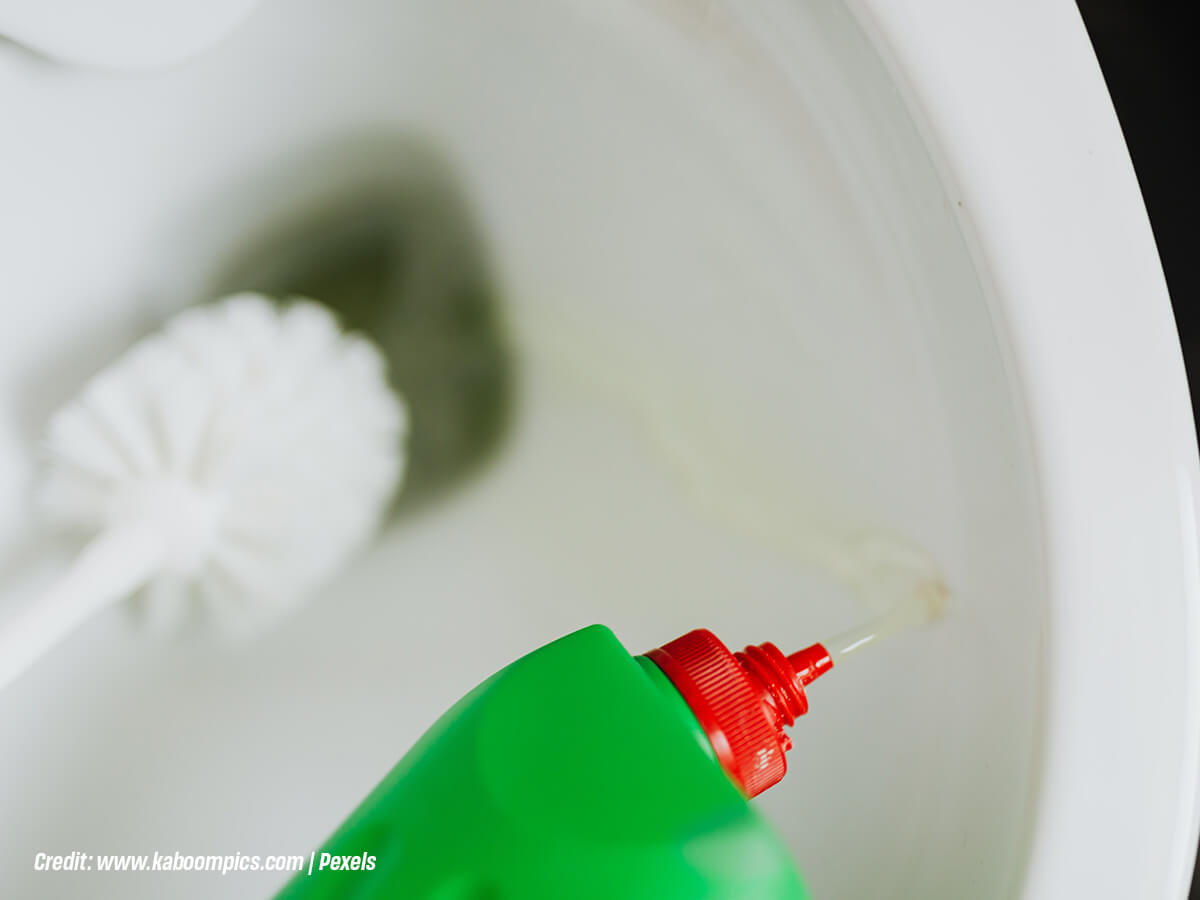
Beyond the mechanical damage to your home, DIY drain cleaners pose a severe risk to your personal health and safety. These products are highly toxic and must be handled with extreme caution.
When poured into a sink or tub, the chemical reaction releases noxious fumes. In tightly enclosed spaces like a small bathroom, particularly during a cold Canadian winter when windows are firmly shut, inhaling these fumes can cause severe respiratory irritation, dizziness, and lung damage.
Additionally, splashback is a significant danger. If a drain cleaner fails to clear the clog and you subsequently attempt to use a plunger, the force can send the toxic, highly acidic water splashing back up into your face and eyes. Chemical burns from drain cleaners are a frequent cause of emergency room visits, causing permanent tissue damage and blindness.
If you do use a chemical cleaner and it fails, you must also consider the plumber who eventually has to fix the mess. Professional plumbers must be warned if chemicals are present in the standing water, as they risk severe burns when dismantling the P-trap or running mechanical equipment through the hazardous liquid.
The Environmental Toll
The environmental impact of DIY drain cleaners is another compelling reason to banish them from your home. When these harsh chemicals are flushed down your drains, they enter the municipal wastewater system. While modern water treatment plants are sophisticated, introducing high volumes of heavy acids, bleach, and lye places an unnecessary burden on the filtration process.
For rural homeowners who rely on septic systems, chemical drain cleaners are an absolute disaster. Septic systems rely on a delicate balance of naturally occurring bacteria to break down solid waste. Pouring bleach or acid down the drain instantly kills these beneficial bacteria.
Without a healthy bacterial ecosystem, the septic tank cannot process waste efficiently, leading to rapid accumulation of solids, foul odours, and the very real threat of a raw sewage backup into your home or yard.
Professional and Safe Alternatives
If chemical drain cleaners are off the table, how should you handle a stubborn clog? For minor, preventative maintenance, natural solutions can be somewhat effective. Pouring a half-cup of baking soda followed by a half-cup of white vinegar creates a gentle, bubbling reaction that can help dislodge minor soap scum and hair, especially when flushed with boiling water. A standard cup plunger is also an invaluable tool for dislodging simple blockages in sinks and toilets through hydraulic pressure.
However, when a clog is deep, persistent, or recurring, mechanical intervention by a licensed professional is the only safe and permanent solution. Professionals utilize advanced techniques that target the root cause of the blockage without risking the structural integrity of your plumbing.
One of the most effective methods is drain-snaking.
This involves feeding a flexible, motorized auger deep into the plumbing system. The auger physically breaks apart and pulls out the solid mass of hair, grease, or foreign objects, restoring the pipe to its full diameter.
For comprehensive property maintenance, particularly if you manage a business or a large household, establishing a relationship with a reliable expert is crucial.
Trusting experienced technicians for your residential and commercial plumbing services ensures that everything from minor slow drains to major pipe replacements is handled safely, legally, and permanently.
Property owners in specific regions can also benefit from dedicated local expertise.
For instance, if you are experiencing repeated backups and require comprehensive drain service in Bolton, a professional assessment can identify if the issue is a simple localized clog or a symptom of a larger municipal sewer connection problem.
Similarly, if your pipes have already suffered damage from years of chemical abuse and you need reliable drain repair in New Tecumseth, professional plumbers can utilize non-invasive camera inspections to pinpoint the exact location of the deterioration and replace only the necessary sections.
Protect Your Pipes with the Experts
DIY chemical drain cleaners are a false economy. They offer the illusion of a quick fix while silently corroding your pipes, endangering your health, and threatening the environment. The cost of replacing a melted PVC pipe or an acid-eaten cast iron line is exponentially higher than the price of professional drain clearing.
When faced with a stubborn clog, put the bottle down and call in the experts who can fix the problem right the first time.
For safe, effective, and permanent solutions to all your plumbing headaches, contact Plumbing Authority Inc. at 647-992-PIPE(7473).
We offer comprehensive 24/7 service to handle emergencies whenever they strike, and provide free on-site assessments to accurately diagnose your plumbing issues before any work begins. Protect your home and your peace of mind by leaving your drains to the professionals.