
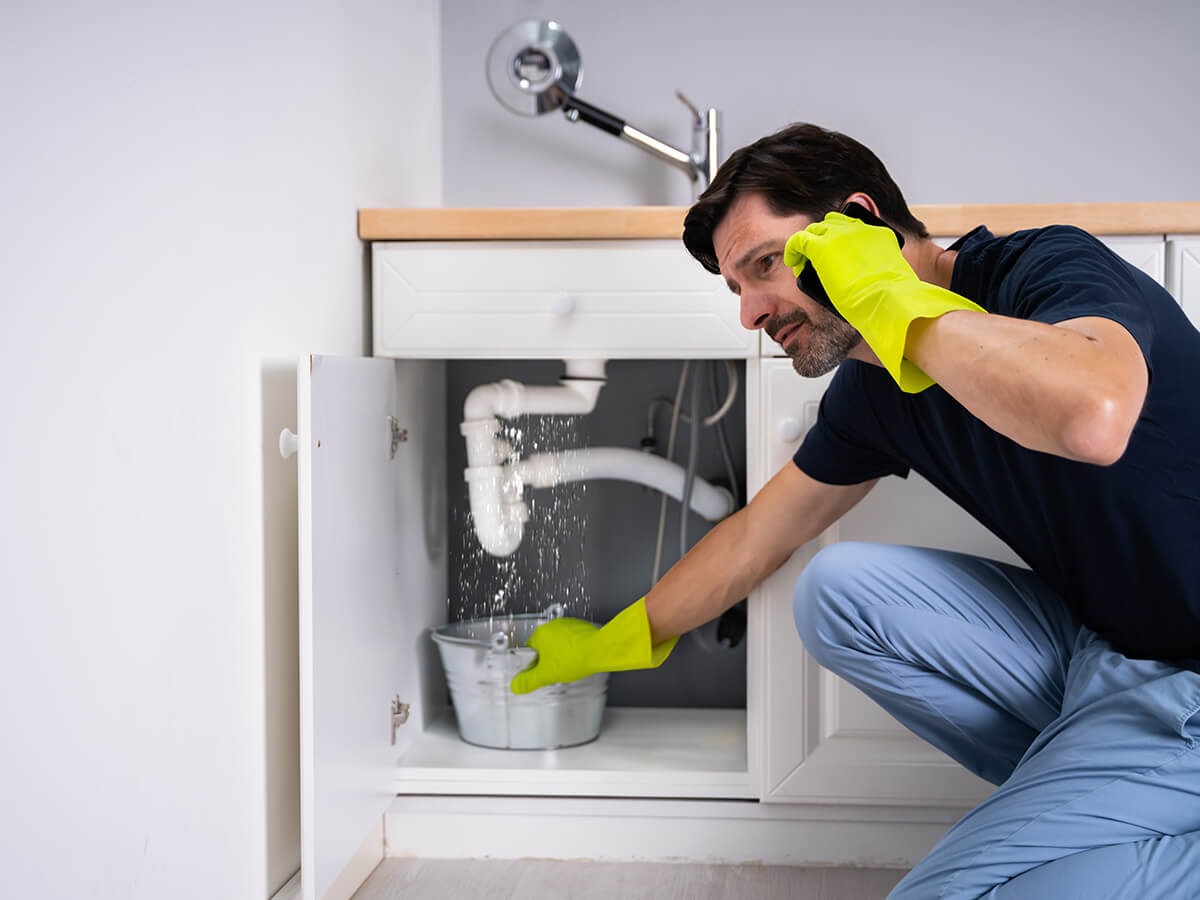
If you are looking for a reliable plumber in New Tecumseth, keeping up with your home maintenance is the best way to avoid a major mess. Many homeowners forget about the pipes and fixtures hidden behind their walls until something goes wrong. We want to help you stay ahead of these common issues to save you money and stress.
Ignoring Your Sump Pump Performance
Your sump pump is the most important defense against basement flooding during a heavy Ontario storm. Many people assume it is working fine just because they haven’t seen water on the floor lately. Testing this system regularly ensures it will actually kick on when the snow begins to melt or the rain pours down.
- Float Switch Testing
You should manually lift the float switch to see if the motor starts running immediately. This simple test confirms that the mechanical trigger is still moving freely and has not become stuck. A professional plumber can replace this specific part if it feels gritty or fails to activate.
- Pit Debris Removal
Dirt, gravel, and small pieces of trash can fall into the basin and clog the intake valve. You should check the bottom of the pit twice a year to clear out any buildup that might slow down the pump. Keeping the area clean prevents the motor from burning out due to a blockage.
- Check Valve Inspection
The check valve prevents water from flowing back into the pit once the pump turns off. You should listen for a distinct “thump” sound to know the valve is closing properly after a cycle. If you hear water rushing back down, your pump will have to work twice as hard to clear the same area.
Neglecting Water Heater Flushing
Water heaters work silently in the background, but they require consistent care to maintain their efficiency. As time goes on, minerals such as magnesium and calcium accumulate at the base of the tank to form a dense layer of sediment. This crust acts as a barrier that blocks heat from cleanly reaching the water, which forces the system to work harder and can eventually trigger structural leaks.
- Sediment Removal
Flushing the tank involves draining the water to push out any settled minerals or grit. This process ensures the heating element does not have to work through a layer of “mud” at the bottom. A plumber often recommends doing this at least once a year to keep the unit running smoothly.
- Anode Rod Check
The anode rod is a sacrificial piece of metal that prevents the inside of your tank from rusting. You should have this rod inspected every few years to see if it has been completely eaten away by the water. Replacing a cheap rod is much better than buying a whole new water heater because the tank rusted through.
- Temperature Valve Testing
The pressure relief valve is a safety feature that prevents the tank from exploding if the pressure gets too high. You should flip the lever to make sure water flows out and then stops completely when you release it. If the valve leaks or stays stuck, it is a sign of a dangerous pressure issue.
Forgetting Outdoor Hose Bibs and Spigots
Outdoor faucets are very easy to forget once the summer gardening season comes to a end. However, these spigots are highly susceptible to freezing when the temperatures in Simcoe County drop below zero. If water stays trapped inside the pipe, it will expand and cause the copper or plastic to burst inside your walls.
- Hose Disconnection
You must remove all garden hoses from the outdoor spigot before the first frost hits the ground. Leaving a hose attached prevents water from draining out of the pipe properly even if you have a frost-free valve. This trapped water is the number one cause of winter pipe bursts in residential homes.
- Interior Valve Shutoff
Most homes have a dedicated shutoff valve located inside the basement or crawl space for the outdoor line. You should turn this valve off and then open the outside tap to let the remaining water drain out completely. This creates an air gap that protects the pipe from expanding ice.
- Insulated Cover Installation
Foam covers provide an extra layer of protection against the biting wind and extreme cold. These covers are very inexpensive and take only a few seconds to strap onto the faucet handle. They help keep the heat from the house near the valve to prevent localized freezing.
Overlooking Hidden Drain Clogs
Most people only worry about their drains when the water stops moving entirely. Small clogs can build up over months as hair, grease, and soap scum stick to the inside of the pipes. Identifying these issues early prevents a total backup that could send sewage back into your sinks or tubs.
- Slow Drain Monitoring
If you notice water pooling around your feet in the shower, there is likely a partial blockage starting to form. You should address these slow spots immediately before the debris hardens into a solid mass. A local plumber can use a camera to see exactly what is causing the slowdown deep in the line.
- Hair Trap Maintenance
Mesh strainers are the best way to stop hair and large food particles from entering your plumbing system. You should empty these traps daily to ensure they don’t become a breeding ground for bacteria or odors. This is the simplest way to keep your bathroom pipes clear without using harsh chemicals.
- Enzymatic Cleaner Use
Natural enzyme cleaners eat through organic waste without damaging the integrity of your metal or PVC pipes. You should use these treatments monthly to keep the walls of your drains smooth and clear of sludge. Avoid using acidic “liquid” drain openers as they can actually melt your pipes over time.
Check for Toilets with “Silent” Leaks
A leaking toilet can waste hundreds of litres of water every single day without making a peep. These leaks usually happen when the rubber flapper in the tank becomes warped or covered in mineral scale. Because the water just trickles into the bowl, you might not notice the problem until your water bill arrives.
- The Food Colouring Test
To test for a silent leak, simply add a small amount of deep-toned food coloring to the toilet tank water and let it sit undisturbed for twenty minutes. If the water in the bowl changes colour without you flushing, you have a confirmed leak. Food colour test is a fast and free way to check the health of your toilet’s internal parts.
- Flapper Replacement
The rubber flapper creates the seal that holds water in the tank until you pull the handle. You should replace this part every few years because the rubber eventually breaks down and loses its shape. It is a very cheap repair that a plumber can finish in just a few minutes.
- Fill Valve Adjustment
Sometimes the water level in the tank is set too high and constantly runs into the overflow tube. You should adjust the float so the water stops about an inch below the top of the pipe. This prevents the fill valve from running constantly and wasting water 24 hours a day.
Professional Maintenance Insights
Even the most careful homeowner can miss small signs of trouble within a complex plumbing system. Hiring a professional plumber once a year for a full inspection ensures that every valve and pipe is in top condition. We have the tools to see things that are invisible to the naked eye, such as hairline cracks or underground root intrusion.
- Main Line Camera Inspection
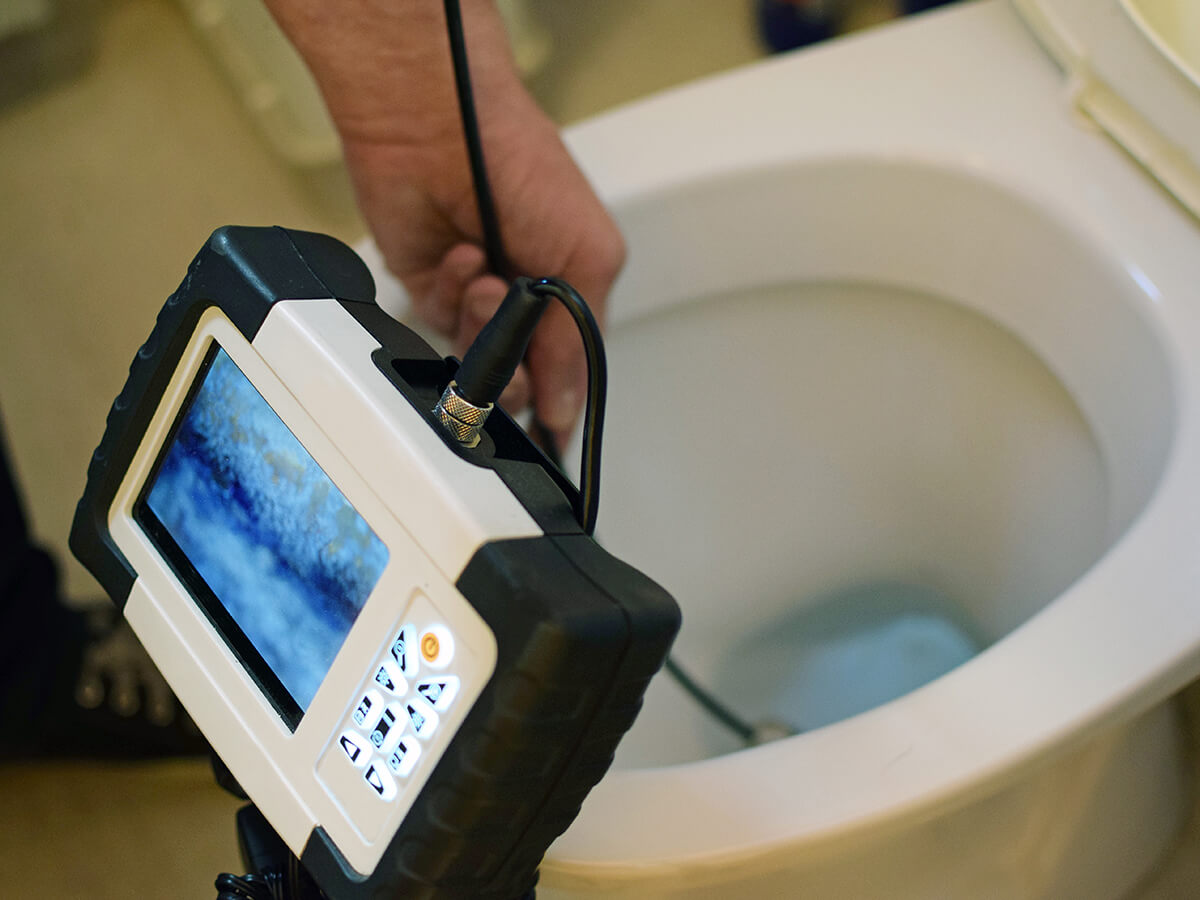
We use waterproof cameras to look inside your main sewer line for any signs of cracks or blockages. Camera inspection allows us to find tree roots before they completely crush your pipes and cause a backup. Identifying these issues early can save you thousands of dollars in excavation costs.
- Visible Pipe Assessment
A plumber will walk through your home to check all exposed pipes for signs of corrosion or green staining. These small marks often indicate a “pinhole” leak that is about to become a major burst. Catching these spots early keeps your drywall and flooring safe from water damage.
- Pressure Gauge Testing
We check the water pressure coming into your home to ensure it is not too high for your appliances. High pressure can ruin your dishwasher and laundry machine by blowing out the internal seals. We can install a regulator to keep the pressure at a safe and steady level.
Fixture Care
Your faucets and showerheads are the parts of the plumbing system you touch every single day. Over time, hard water can clog the tiny holes in your fixtures and reduce your water pressure. Cleaning these items regularly keeps them looking new and ensures a consistent flow of water for your family.
- Aerator Cleaning
Small screens called aerators sit at the tip of your faucets to mix air with the water. You should unscrew these once a year and soak them in vinegar to remove any trapped grit or scale. A plumber often finds that a “broken” faucet just needs a clean aerator to work perfectly again.
- Showerhead Descaling
Mineral deposits can make your shower spray uneven or block the flow entirely. You can tie a bag of vinegar around the showerhead and let it soak overnight to dissolve the buildup. This restores the full pressure of your shower without needing to buy expensive new hardware.
- Supply Line Inspection
The flexible hoses under your sinks can become brittle and crack as they age. You should feel these lines to make sure they are still pliable and not leaking at the connection points. Replacing an old supply line is a great way to prevent a sudden flood under your vanity.
Managing Your Septic and Waste Systems
For many residents in the rural areas around New Tecumseth, managing a septic system is a vital part of life. Unlike a city sewer, a septic tank requires careful monitoring to ensure the bacteria are healthy and the solids are not too high. Failing to maintain this system can lead to a very smelly and expensive failure in your yard.
- Baffle Wall Inspection: The baffles inside your tank keep the solids from entering your drain field and clogging the soil. A plumber should check these every time the tank is pumped to ensure they are still securely attached. If a baffle falls off, your entire septic bed could be ruined in a matter of months.
- Filter Cleaning: Many modern septic tanks have a yellow or white filter that catches small particles before they leave the tank. You should pull this filter out and spray it with a hose once or twice a year. Keeping the filter clean prevents sewage from backing up into your house because the exit was blocked.
- Drain Field Protection: You must never drive heavy vehicles or plant large trees on top of your septic leaching bed. The weight can crush the pipes, and roots will quickly grow into the lines to find water. Keeping the area clear of anything but grass ensures the system can breathe and process waste properly.

Trust the Experts at Plumbing Authority Inc.
Maintaining your home is easier when you have a local plumber in New Tecumseth you can trust for honest advice. We are proud to serve the New Tecumseth area and help our neighbours keep their pipes running clear.
Whether you need a simple drain cleaning or a full septic inspection, we have the experience and the tools to get the job done right the first time. Our team is available 24/7 because we know that plumbing problems do not always happen during regular business hours.
Call us today at 647-992-PIPE (7473) to book your maintenance visit or to ask any questions about your home’s plumbing system.