

Water silently destroys structural integrity from the inside out, exploiting the tiniest vulnerabilities. The ultimate hidden plumbing problem is the undetected micro-leak. Homeowners routinely ignore minor symptoms like constantly running toilets or sudden pressure drops, failing to realize these subtle warnings signal massive systemic failures originating from these invisible pinholes. Protecting your property requires understanding this primary invisible threat, alongside the secondary compounding hazards.
The Primary Threat: Undetected Micro-Leaks
Water escaping through microscopic holes represents the single greatest threat to structural integrity, turning hidden dampness into total structural failure long before anyone notices.
- Core Issue: Occurring inside sealed wall cavities, micro-leaks remain invisible for months.
- Mechanism of Failure: High municipal water pressure forces moisture through microscopic pinholes in aging copper pipes, saturating the surrounding insulation and drywall.
- Timeline Acceleration: Releasing hundreds of gallons monthly, a single pinhole leak causes load-bearing wood to rot completely in less than a year.
- Diagnostic Indicators: Musty odours persist heavily in specific rooms despite rigorous surface cleaning, while monthly water bills show a steady financial increase without actual consumption changes.
- Preventative Action: Professional hydrostatic pressure testing identifies minute pressure drops, allowing specialized acoustic equipment to pinpoint the exact leak location precisely behind solid walls without destructive demolition.
Compounding Hazards Lurking Behind the Drywall
While the undetected micro-leak is the primary hidden destroyer, it rarely operates alone. Several other problems compound this structural vulnerability. Understanding these threats prevents a localized leak from escalating into a whole-home systemic failure.
Sewer Line Degradation and Root Intrusion
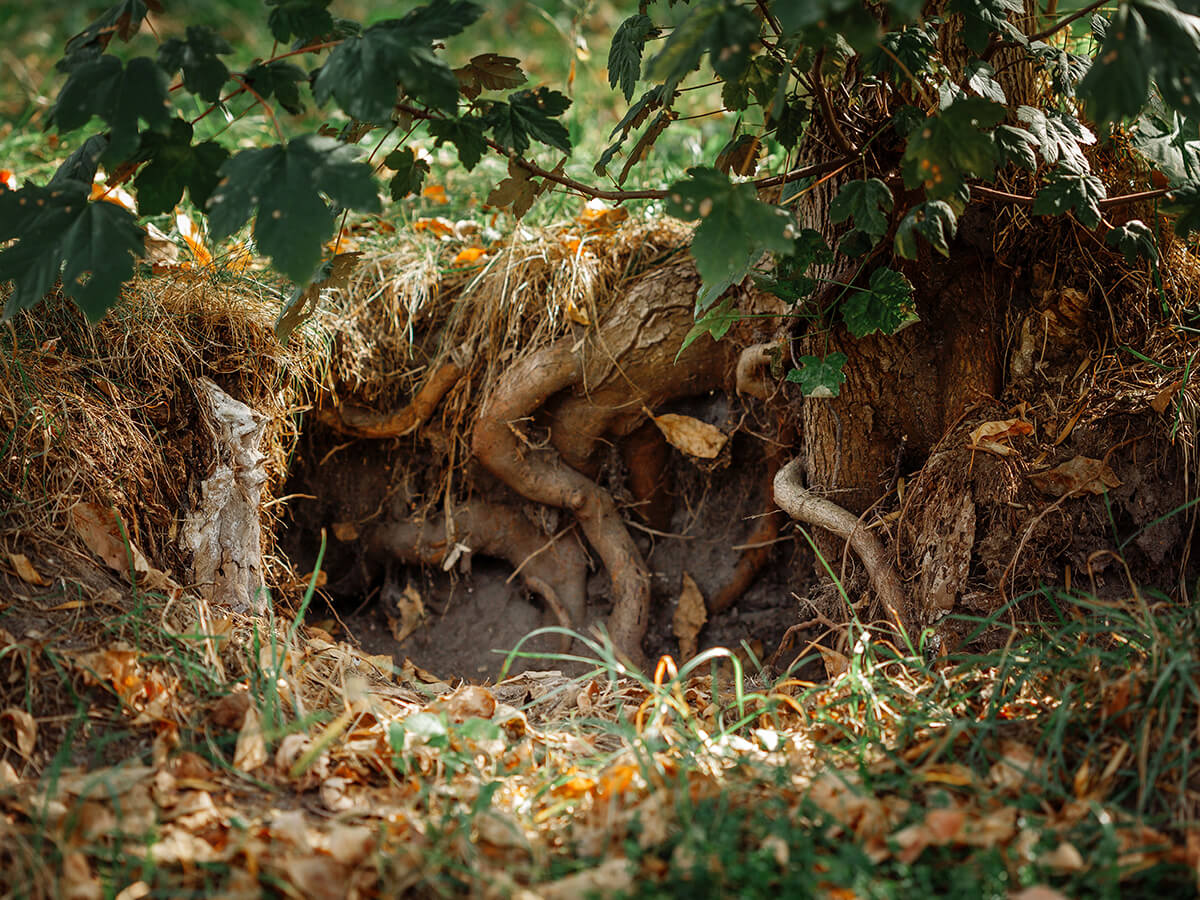
The underground battle between tree roots and subterranean infrastructure frequently ends with shattered pipes and highly destructive backups.
- Core Issue: Subterranean sewer lines shift and crack under the constant weight of deeply frozen Canadian soil.
- Mechanism of Failure: When shifting ground opens microscopic fissures at mechanical pipe joints, nutrient-rich water vapour naturally escapes into the dry surrounding soil. Tree roots immediately seek out this moisture, forcing their way into the tiny cracks.
- Timeline Acceleration: A single root tendril completely obstructs a main sewer pipe in six short months, expanding enough to shatter old clay pipes entirely. A simple septic repair in Tottenham escalates rapidly into a complete drainage field replacement.
- Diagnostic Indicators: Multiple drains back up simultaneously across the lower property level.
- Preventative Action: Video camera inspections reveal early-stage root intrusion, enabling high-pressure hydro-jetting to sever expanding roots cleanly without introducing corrosive chemical treatments.
The Impact of Deferred Maintenance
Complex mechanical systems fail aggressively without scheduled care, constantly transforming minor preventative steps into catastrophic hardware replacements that drain emergency funds.
- Core Issue: Ignoring routine checks allows minor wear to develop into massive failures forcing expensive emergency action.
- Mechanism of Failure: Moving components degrade through daily use, causing sacrificial anodes inside water heaters to dissolve and leaving exposed steel tanks to rust from the inside.
- Timeline Acceleration: Skipping basic maintenance destroys expensive mechanical systems years ahead of expected lifespans. The data highlights the severe financial reality of this neglect; clogged plumbing, leakage, and sewer pipe maintenance are the most common maintenance issues in low-cost strata schemes, with the highest cost impact related to general repair and electrical supply maintenance (Shuhaimi et al., 2023). Ignoring seemingly minor parts guarantees massive secondary property damage upon sudden failure.
- Diagnostic Indicators: Aging water heaters leak rusted brown water directly onto the utility room floor.
- Preventative Action: Strict maintenance schedules mandate the annual professional inspection of mechanical valves, prompting plumbers to routinely replace depleted anode rods before the primary tank rusts.
Galvanic Corrosion from Mismatched Metals
Poorly planned plumbing joints trigger invisible electrical reactions, forcing solid metal pipes to dissolve aggressively from the inside out.
- Core Issue: Connecting incompatible metallic pipes triggers a rapid destructive electrical reaction within the water supply.
- Mechanism of Failure: Copper pipes connected to galvanized steel create a battery effect using flowing water as the electrolyte. An electrical current flows continuously between the dissimilar metals.
- Timeline Acceleration: Galvanic corrosion destroys a thick steel fitting in under 2 years, generating internal rust buildup that completely chokes off the main water supply. The severely weakened metallic joint eventually blows apart violently under standard municipal water pressure.
- Diagnostic Indicators: Heavy rust buildup appears specifically at the exact junction of 2 different metallic pipes, causing water pressure to drop significantly at specific fixtures.
- Preventative Action: Professional plumbers install heavy brass dielectric unions between all dissimilar metallic materials to break the electrical conductivity entirely and stop the degradation process.
Hard Water Scale Accumulation
Dissolved minerals naturally found in regional groundwater calcify inside residential pipes, creating a rock-hard internal barrier completely destroying flow capacity.
- Core Issue: Heavy mineral concentrations present in the municipal water supply choke internal residential piping architecture steadily over time.
- Mechanism of Failure: Canadian groundwater reacts to internal heat by precipitating heavy minerals. Thick layers of rock-hard scale aggressively coat heating elements inside the hot water tank.
- Timeline Acceleration: Fighting continuous scale buildup causes a water heater to burn out electrical heating elements constantly, dropping residential pipe flow capacity by 30% in a single decade. Replacing a fully calcified hot water tank becomes an absolute necessity.
- Diagnostic Indicators: Chalky white mineral deposits coat sink aerators and showerheads, forcing faucets to spray water erratically in multiple directions.
- Preventative Action: Whole-home water softeners systematically exchange highly destructive calcium ions for harmless sodium ions, pairing perfectly with annual professional tank flushing to clear loose mineral sediment before it calcifies permanently.
The Dangers of High Municipal Water Pressure
Incoming water moving at excessive velocities acts as a relentless battering ram, systematically breaking down sensitive valves and destroying weak joints.
- Core Issue: Excessive kinetic energy destroys fragile internal components and stresses weak soldered joints.
- Mechanism of Failure: Guaranteeing immediate fire hydrant readiness requires municipalities to pump water at extreme pressures exceeding 550 kilopascals. High-velocity water severely stretches rubber washing machine hoses beyond structural capacity while constant kinetic hammering severely weakens soldered copper joints.
- Timeline Acceleration: Constant extreme pressure cuts the functional lifespan of household appliances in half, causing stable joints to rupture suddenly. The home experiences a catastrophic flood while occupants are sound asleep or away at work.
- Diagnostic Indicators: Bathroom faucets leak constantly despite installing brand new rubber cartridges, accompanied by loud banging noises echoing aggressively through walls when a tap closes quickly.
- Preventative Action: Heavy-duty pressure reducing valves regulate incoming municipal supply down to a highly stable level once plumbers calibrate the mechanical system correctly.
Thermal Shock in Uninsulated Spaces
Dropping winter temperatures force unprotected metallic pipes to contract violently against expanding internal ice, completely shattering the rigid metal structure.
- Core Issue: Extreme Canadian winter temperatures cause destructive thermal shifting in unprotected plumbing infrastructure.
- Mechanism of Failure: Icy drafts penetrating uninsulated basements and walls force metallic pipes to contract violently. Water trapped inside these pipes freezes and expands simultaneously; exerting massive internal pressure against severely contracted metal walls until rigid soldered joints shatter violently under the opposing structural forces.
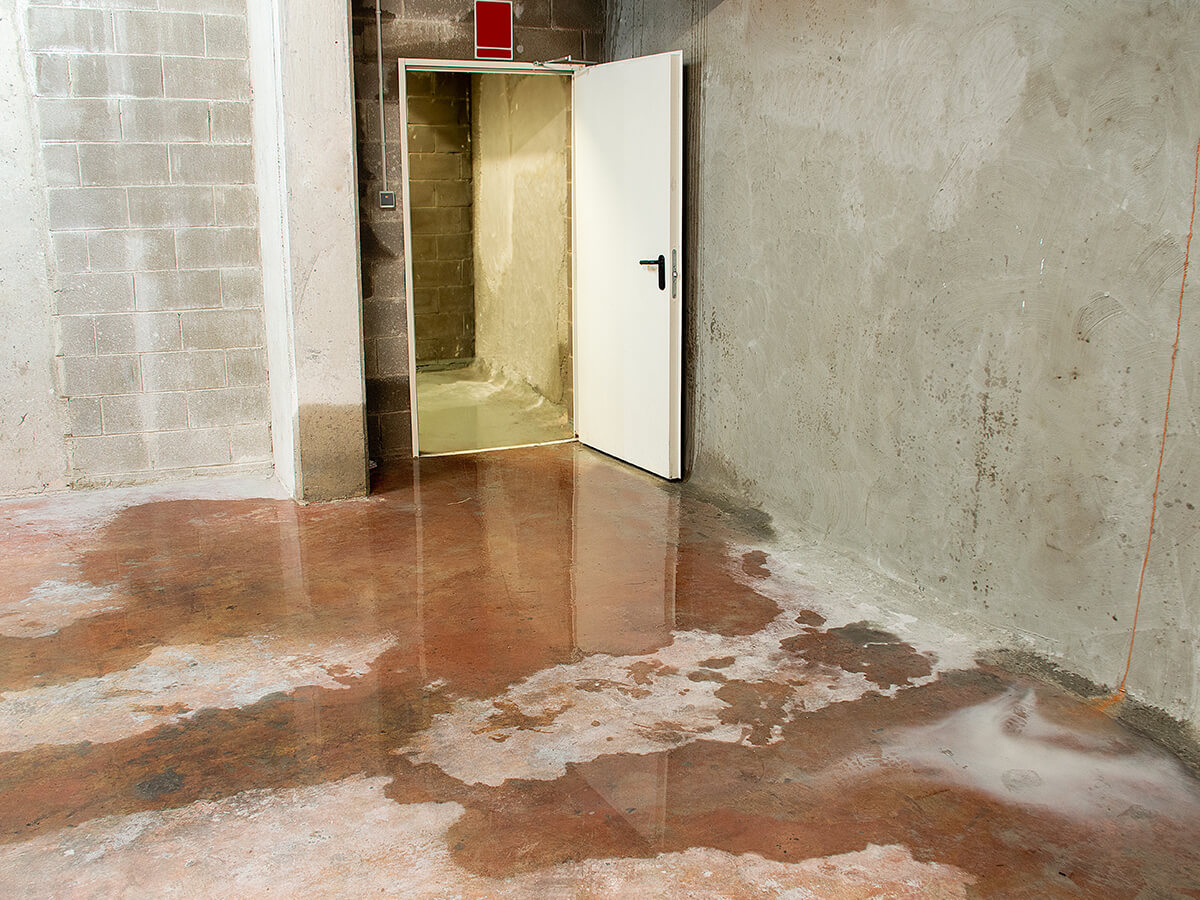
- Timeline Acceleration: A single night of sub-zero temperatures entirely destroys an unprotected pipe system, bursting completely frozen pipes open to release thousands of gallons of water when the ice thaws. The resulting massive flood destroys the basement living space.
- Diagnostic Indicators: Thick frost visibly coats exposed copper pipes heavily in the unheated crawlspace, preventing faucets from producing absolutely any water during a winter cold snap as exterior walls feel unusually cold near plumbing fixtures.
- Preventative Action: Heavy foam insulation surrounds pipes located in vulnerable exterior areas, working alongside heat tracing cables to provide reliable warmth during extreme freezes.
Poor Installation and Systemic Architecture Flaws
Substandard workmanship during initial construction acts as a ticking time bomb, embedding fatal structural weaknesses directly into the core residential architecture.
- Core Issue: Substandard workmanship executed during original construction guarantees systemic failures decades later despite premium materials.
- Mechanism of Failure: Failing to deburr cut copper pipes creates jagged edges generating severe internal water turbulence that aggressively erodes copper walls. Lazy installers failing to grade horizontal drain pipes correctly leave standing wastewater trapped permanently.
- Timeline Acceleration: Improperly graded sewer lines require constant mechanical snaking right up until the homeowner eventually pays for a complete concrete floor excavation. Unsecured pipes vibrate violently against structural wooden joists, generating continuous friction that wears a hole completely through the copper pipe in under five years.
- Diagnostic Indicators: Main drains clog constantly despite perfectly careful daily household usage as loud rattling noises vibrate heavily behind drywall when the shower runs.
- Preventative Action: Plumbers closely follow strict provincial building codes to guarantee correct pipe sizing and exact mathematical grading at all times, installing professional acoustic hangers to completely eliminate friction.
Stop the Silent Destruction Today
Waiting for a pipe to burst guarantees a massive financial problem. Water damage destroys drywall, framing, and expensive appliances. Protect your investment by taking proactive measures before pressure blows the system apart.
Contact Plumbing Authority at (647) 992-7473 to book your diagnostic inspection. We provide the permanent solutions you need. Secure your property with a licensed plumber in New Tecumseth right now. Stop unseen leaks and fortify your home today.