
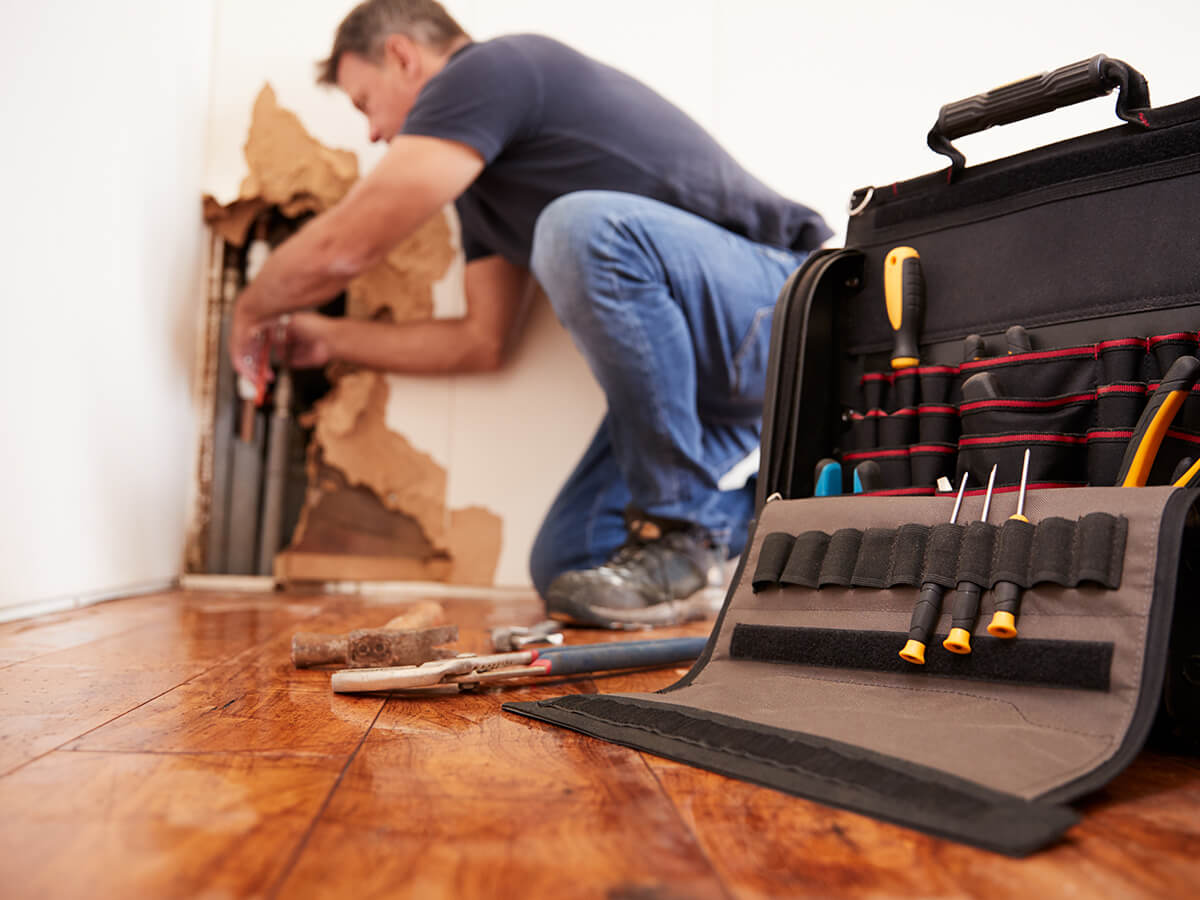
The sound of rushing water where there shouldn’t be any is enough to make anyone’s heart race. A burst pipe is a sudden, disruptive event that can transform a quiet day into a scramble to protect your home. This is especially true of winter, when plunging temperatures can cause any standing water left in your pipes to freeze and expand, putting immense pressure on them until they give way (which is the entire reason it’s so important to know how to prevent such damage to your pipes come winter). When the ice thaws, the resulting deluge can seep into your floorboards, saturate your drywall, and threaten your personal belongings.
The key to mitigating such a sudden disaster is a combination of rapid, level-headed response and a cool head while you take care of the immediate problem. A clear, step-by-step approach remains your absolute best defence against extensive, long-lasting water damage. The following comprehensive guide lists some of the essential actions to immediately take in case of a plumbing emergency to regain full control of what could otherwise be a stressful situation and protect your home from further ruin.
1. Shut Off the Main Water Supply
The absolute most critical action you can take the very moment you discover a burst pipe is to cut off the flow of water at its source. Time is of the essence here as every moment you take to shut off the water allows more of it to flood into your living space. Step one: know how to locate your home’s main water shut-off valve. This valve is typically located near the perimeter of the house, often in the basement or utility room where the municipal water line enters the foundation. Turn the valve clockwise until it is completely tight to halt the water supply. Once closed, the immediate threat of continuous flooding is neutralised, allowing you to assess the damage.
2. Turn Off the Electrical Power
Water and electricity are always a dangerous combination. Once you’ve shut off the water from the municipal line, your next priority is securing the safety of the environment. If the flooding has reached electrical outlets or exposed wiring, you run the risk of electrocution. If the area around the electrical breaker panel is completely dry, switch off the breakers for the specific rooms affected by the flood. If the water has spread extensively or if you are unsure which electrical circuits are impacted, the safest course of action is to shut off the main electrical breaker for the entire house just to be safe.
3. Relieve Remaining Pressure by Draining the Taps
Even after the main water supply is firmly shut off, there’s still water trapped within the network of pipes running through your walls and ceilings. This residual water will continue to leak out of the ruptured section until the pipes are completely empty. To speed up this process and redirect the water safely down the drains, open all the cold and hot water taps throughout your home. Start with the faucets on the highest level of your house and work your way down to the lowest level. By opening these fixtures, you allow air into the plumbing system, breaking the vacuum and allowing the remaining water to drain harmlessly.
4. Locate the Exact Source of the Rupture
With the immediate dangers neutralised and the pipes drained, your next step is identifying exactly where the structural failure occurred. Sometimes the location is obvious; for example, if you saw a geyser of water spraying across the room, you know where the leak happened. However, pipes often burst behind drywall, above drop ceilings, or under floorboards; knowing how to find a general leak can serve you well in a situation like this. Look for telltale signs of concealed damage (like expanding water stains, bubbling paint, or a distinct dripping sound behind the walls). Once you find the general area, carefully inspect any visible pipes to see if they yield any more clues. If the pipes are hidden behind a wall, you may need to cut away a small square of saturated drywall to expose the damaged plumbing.
5. Document the Extent of the Damage Thoroughly
Before you begin moving items or attempting any extensive cleanup, it’s imperative to create a comprehensive visual record of the destruction. This documentation is a vital requirement for filing a successful insurance claim. Grab your smartphone and take clear, well-lit photographs and videos of the burst pipe, the pooling water, and all affected structural elements. Measure the depth of the standing water in centimetres and include a reference object in the photographs for scale. Documenting the immediate aftermath before the cleanup process alters the scene ensures you have undeniable visual proof of the incident for your insurance provider.
6. Relocate Valuables and Moveable Furniture
The longer your belongings sit in a puddle of water, the higher the likelihood of irreversible damage. Once you have adequately documented the scene, immediately begin moving vulnerable items out of the hazard zone. Relocate valuable belongings, documents, and small electronics to a dry, safe area of the house, preferably on an upper floor. For larger pieces of furniture, such as sofas or heavy cabinets, try to move them to a dry room. If they are too heavy or cumbersome to relocate, you can protect their legs by lifting them slightly and placing blocks of wood or thick plastic sheeting underneath. This creates a barrier between the furniture and the wet floor.
7. Begin the Immediate Water Extraction Process
Standing water is the primary catalyst for severe property damage, so removing it as quickly as possible is essential. Depending on the volume of water, you will need to employ various methods to dry the area. For minor pooling, heavy-duty mops, thick towels, and standard buckets may be sufficient to soak up the moisture. However, if the water is several centimetres deep, you will need to utilise a wet/dry shop vacuum to extract the bulk of the liquid efficiently. If the flooding has saturated carpets or rugs, use the vacuum to pull as much moisture out of the fibres as possible to prevent permanent damage to the subfloor.
8. Apply a Temporary Patch to the Pipe
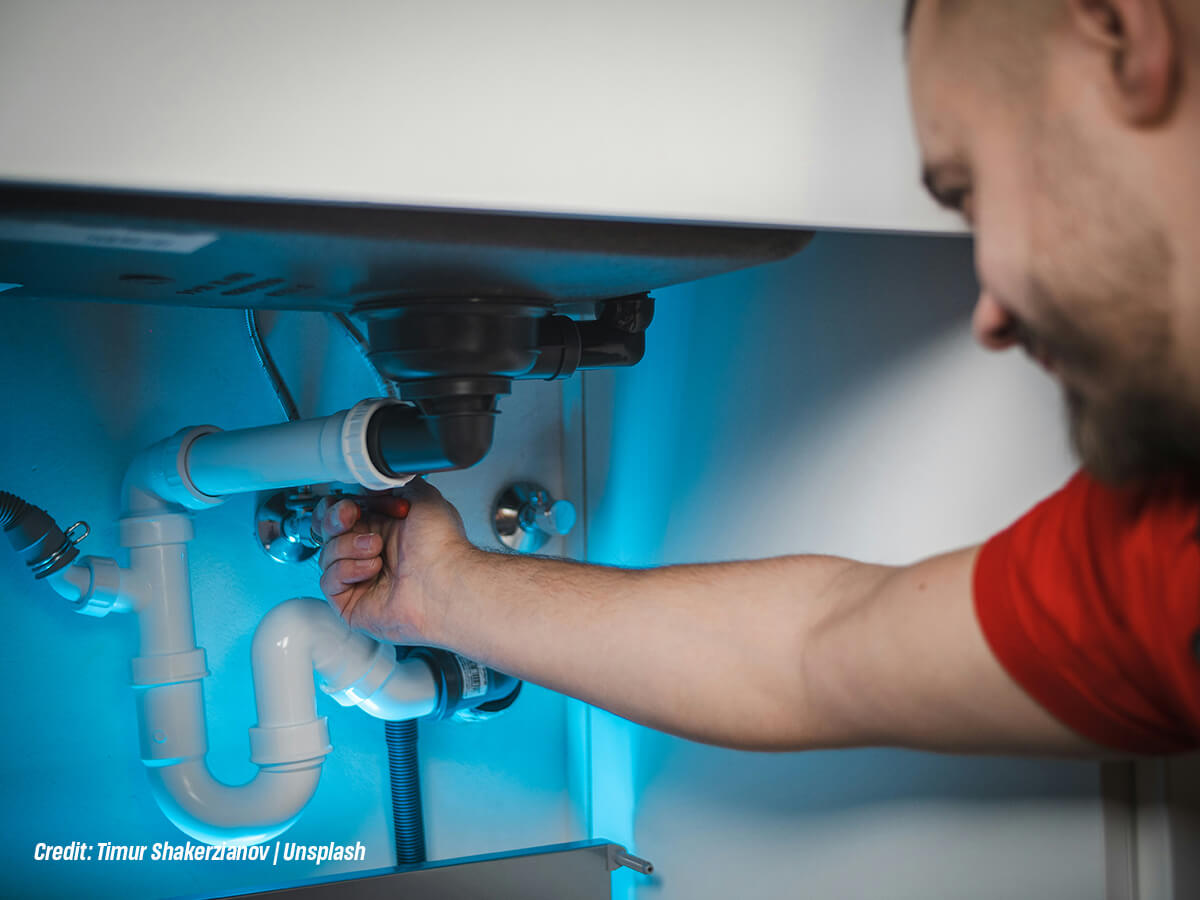
If the ruptured pipe is exposed and easily accessible, you can attempt to apply a temporary fix to contain any lingering drips and stabilise the area until expert help arrives. This is not a permanent solution, but it provides an extra layer of security to keep your pipes under control for the moment. You can use a specialised pipe repair clamp, which consists of a rubber pad and a metal sleeve that tightens securely over the crack using screws. Alternatively, self-fusing silicone tape or heavy-duty rubber wrap can be stretched tightly around the circumference of the pipe, binding to itself to create a watertight seal. Wrap the tape several centimetres beyond the edges of the split.
9. Initiate Thorough Drying and Dehumidification
Removing the visible water is only half the battle; addressing the ambient moisture and damp materials is equally important to prevent the growth of harmful mould and mildew. Mould can begin to colonise damp environments within a matter of hours, presenting a significant health hazard and further degrading building materials. Position high-velocity floor fans around the room to circulate air directly over saturated floors and walls. Most importantly, deploy a high-capacity dehumidifier in the centre of the affected area to pull excess moisture out of the air. Maintain this rigorous drying environment for several days to ensure the structural framing is completely devoid of lingering dampness.
10. Engage a Licensed Professional Plumber
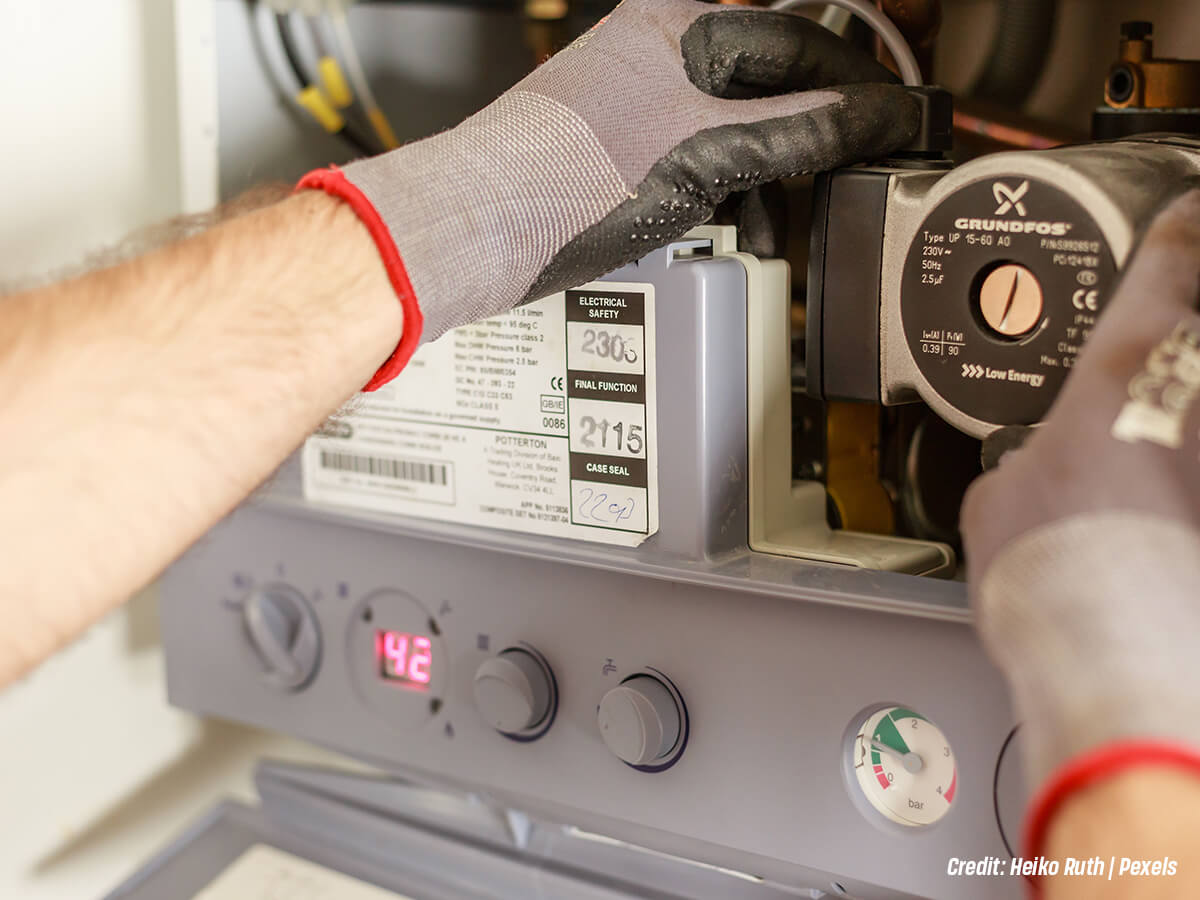
While temporary patches and diligent cleanup efforts are crucial first steps, a burst pipe ultimately requires the expertise of a licensed professional to ensure a permanent and reliable repair. A qualified plumber possesses the necessary tools and knowledge to assess the full scope of the damage, which often extends beyond the visible rupture. They can also safely remove the compromised section of piping and replace it with durable new materials, ensuring all connections are properly sealed and pressure-tested. Knowing what to expect from a professional plumbing service goes a long way toward getting the help you need at a time like this. Relying on a professional plumber is just your way of ensuring that your home’s water system is restored to its proper functional state without risking recurring leaks in the future.
Experiencing a burst pipe is undoubtedly an overwhelming ordeal that requires an immediate and organised response. By systematically following these crucial steps, you can drastically reduce the severity of the destruction. However, above anything else, your safety comes first. Engaging professional assistance is the most reliable way to fully restore your plumbing network, and keep yourself and your home safe while the repairs works are under way. With the right approach and prompt action, you can successfully navigate the stressful challenges of a plumbing rupture and return your house to a safe, dry, completely restored, and comfortable environment for the long term.
When a burst pipe threatens your property, acting quickly is your best defence against water damage. Getting immediate, professional help can make all the difference for securing your home and effectively restoring your plumbing infrastructure. Plumbing Authority provides that speedy, professional service to help you stay on top of any plumbing emergencies. When you neeed fast, reliable emergency repairs you can trust anywhere, give us a call at 647-992-7473.