Owning a rental property involves managing various systems, but few are as critical as the plumbing. Keeping pipes, fixtures, and drains in good order ensures the building remains habitable and profitable. A proactive approach helps avoid sudden, costly repairs that eat into rental income. When water systems function correctly, tenants stay satisfied, and the physical structure of the home stays protected from moisture-related issues.
The stakes are high for owners who ignore minor drips or slow drains. Data from the Insurance Bureau of Canada (IBC) shows that water damage has surpassed fire as the leading cause of property insurance claims across the country. Costs for remediating a flooded basement or a burst pipe can reach tens of thousands of dollars. This guide outlines how to manage rental plumbing maintenance, set clear rules for occupants, and decide when a task requires a licensed expert.
The Pre-Lease Checklist
Before a new tenant moves in, you must verify that every part of the water system works perfectly. A vacancy is the best time to perform deep inspections because you have full access to the unit without disturbing anyone. Use this period to find hidden issues that could cause landlord plumbing liabilities later on.
- Check All Faucets and Drains
Turn on every tap to check for steady water flow and leaks around the base. Fill sinks and tubs to see how fast they drain. Slow drainage often points to a deep blockage that needs clearing before a tenant complains about clogged rental drains.
- Inspect the Toilet Mechanisms
Flush every toilet to ensure the tank refills quickly and stops running immediately. Use a dye tablet in the tank to check for silent flings. Fixing a leaking flapper is a cheap way to prevent high water bills and unnecessary plumbing expenses for the landlord.
- Examine Under-Sink Piping
Look closely at the P-traps and supply lines under every cabinet. Use a flashlight to spot dampness, corrosion, or wood rot on the cabinet floor. Catching a small drip now prevents a major leak that could ruin the cabinetry or cause mould growth in rentals.
- Test the Main Shut-off Valve
Locate the main water valve and ensure it turns easily by hand. If it is stuck or rusted, replace it immediately. Tenants need to be able to shut off the water quickly during an emergency to limit water damage insurance claims and protect the property.
- Assess the Water Heater
Check the age of the tank and look for rust at the bottom. Ensure the pressure relief valve is functional and not leaking. A failing water heater is a common cause of emergency plumbing calls, so replacing an old unit early is often the smartest move.
Essential Plumbing Upgrades That Pay for Themselves
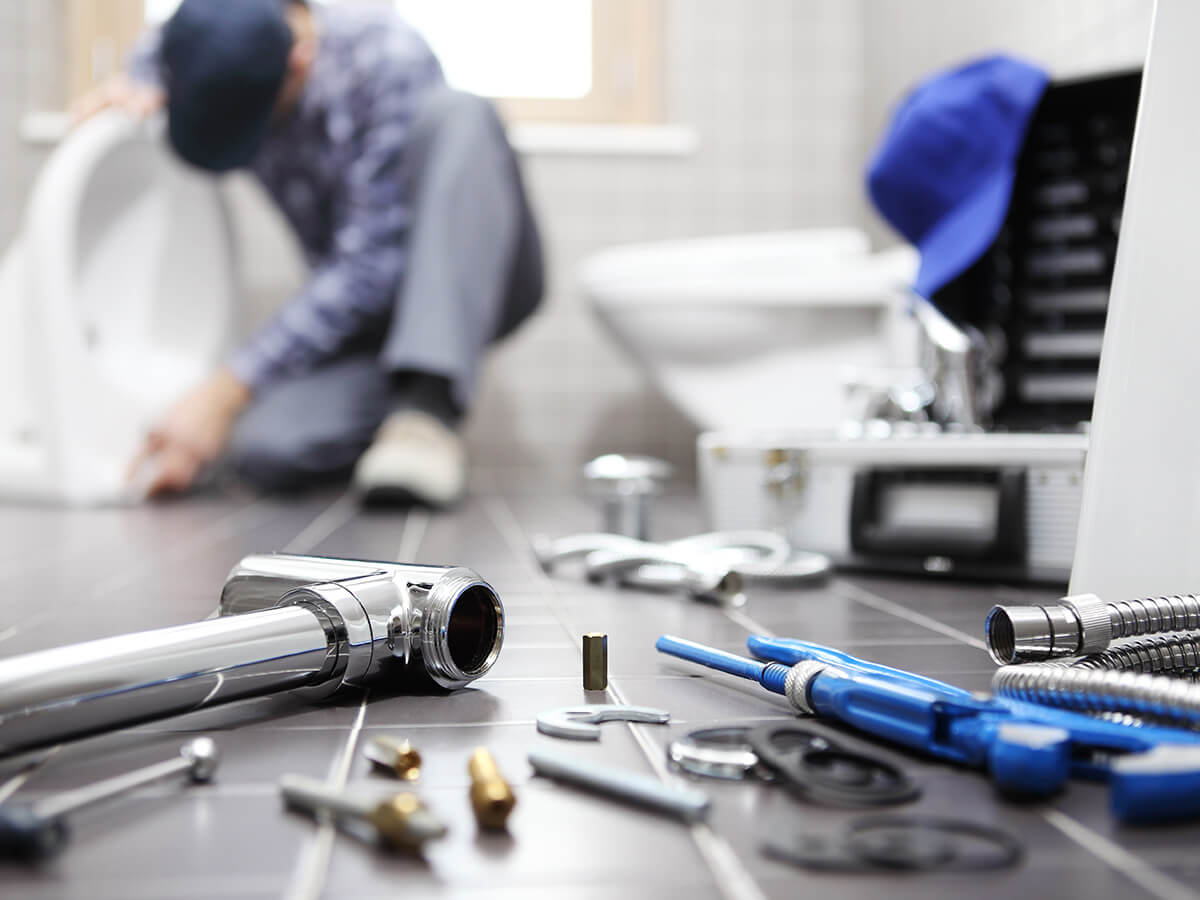
Investing in high-quality fixtures reduces the frequency of repair calls and lowers utility costs. Modern hardware is often more durable and uses less water than older models. These smart plumbing upgrades improve the value of your unit while making it easier to manage over the long term.
- Low-Flow Toilets
Installing high-efficiency toilets can cut water usage by over 50 per cent. Modern units provide strong flushes with minimal water, which is vital if you include utilities in the rent. This upgrade directly lowers your monthly rental operating costs while being better for the environment.
- Pressure-Balancing Valves
Shower valves that balance pressure prevent sudden temperature swings when someone flushes a toilet. This prevents “shower shock” and potential scalding. It is a safety-first upgrade that improves the tenant experience and reduces liability for rental injuries related to hot water spikes.
- Stainless Steel Braided Hoses
Replace old rubber washing machine and toilet hoses with braided stainless steel versions. Rubber hoses can crack and burst without warning, leading to massive floods. These reinforced lines offer a much higher level of flood prevention for landlords for a very small upfront cost.
- Tamper-Proof Aerators
Screw-on aerators for kitchen and bathroom sinks limit the flow of water without sacrificing pressure. Using tamper-proof models ensures tenants do not remove them. This simple change is a pillar of water conservation for apartments, keeping your utility bills predictable and low every single month.
- Leak Detection Sensors
Place battery-operated sensors near water heaters, dishwashers, and under sinks. These devices sound an alarm or send an alert to your phone if they detect moisture. Early warning is the most effective way to handle minor plumbing leaks before they turn into structural disasters.
- Quarter-Turn Shut-off Valves
Old multi-turn valves often leak from the stem when used. Replacing them with quarter-turn ball valves ensures a reliable seal. These are much easier for tenants to operate in a crisis, making them a crucial part of an emergency plumbing response plan.
Setting Clear Expectations in the Lease Agreement
A well-drafted lease protects you from paying for damages caused by tenant neglect. You must clearly define what the occupant is responsible for and what constitutes an emergency. This clarity reduces friction and ensures legal plumbing responsibilities are understood by both parties from day one.
- Define Prohibited Items for Drain
Explicitly list items that should never go down the sink or toilet, such as grease, wipes, and feminine products. State that the tenant is responsible for the cost of clearing blocks caused by these items. This prevents avoidable drain clogs and keeps the pipes clear.
- Reporting Requirements for Leaks
Require tenants to report any drips or running toilets within 24 hours. Small issues can become big problems if left ignored for weeks. Making this a lease requirement helps you stay on top of routine rental maintenance and prevents high bills from silent leaks.
- Emergency Access Protocols
Outline your right to enter the unit immediately if a water leak is threatening the building. While you must respect privacy, a burst pipe requires instant action. Having this in the residential tenancy agreement ensures you can act fast to stop active water damage.
- Garbage Disposal Rules
If the unit has a disposal, provide a list of “do not grind” items like coffee grounds or eggshells. Many tenants do not know how to use these properly. Clear instructions reduce garbage disposal repairs and help the appliance last through several different lease terms.
Seasonal Maintenance Tasks Every Landlord Needs
Plumbing needs change with the weather, especially in the Canadian climate where freezing is a constant threat. Regular checks every few months prevent the system from failing when the seasons shift. Consistent seasonal plumbing inspections are the hallmark of an organized and professional property owner.
- Winterize Exterior Faucets
Before the first frost, disconnect hoses and shut off the water to outdoor taps from the inside. Drain the remaining water from the line. This prevents frozen pipes from bursting inside the walls, which is a common cause of winter property damage in Canada.
- Inspect Sump Pump Operation
In the spring, ensure your sump pump is working before the snow melts or heavy rains arrive. Pour water into the pit to trigger the float switch. A working pump is your primary defence against basement flooding in rentals during the wet spring months.
- Flush the Water Heater
Once a year, drain a few gallons of water from the heater to remove sediment. Buildup at the bottom of the tank reduces efficiency and can cause the heating element to burn out. This simple task extends water heater lifespan and keeps hot water flowing.
- Clear Outdoor Drains and Gutters
Keep gutters and downspouts clear of leaves and debris so water moves away from the foundation. Clogged gutters can lead to water backing up into the roof or pooling near the basement. Proper exterior water management is essential for maintaining the integrity of the building.
- Test Humidity Levels
During the humid summer months, check that bathroom fans are venting correctly to the outside. High humidity leads to mould in the bathroom. Ensuring fans are powerful and clean is a key part of preventative plumbing care and maintaining healthy air quality.
- Check Pipe Insulation
Inspect insulation on pipes located in unheated areas like crawlspaces or garages. Replace any foam that has fallen off or degraded. This extra layer of protection is vital for preventing frozen pipes during extreme cold snaps that hit many Canadian provinces.
Managing a rental property requires a sharp eye for the small details that keep a building dry and functional. By sticking to a strict inspection schedule and choosing high-quality parts, you can significantly reduce the risk of major floods. Clear communication with tenants further ensures that minor issues are caught before they turn into expensive insurance claims. Taking these steps demonstrates your commitment to providing a safe, well-maintained home while protecting your financial interests.
While many tasks can be handled with basic tools, some jobs require the precision of a professional. Complex repairs or major installations should always be managed by someone with the right training and equipment. If you need expert assistance with your property, reach out to Plumbing Authority, contact at (647) 992-7473. Investing in professional service today is the best way to secure your property for the future.