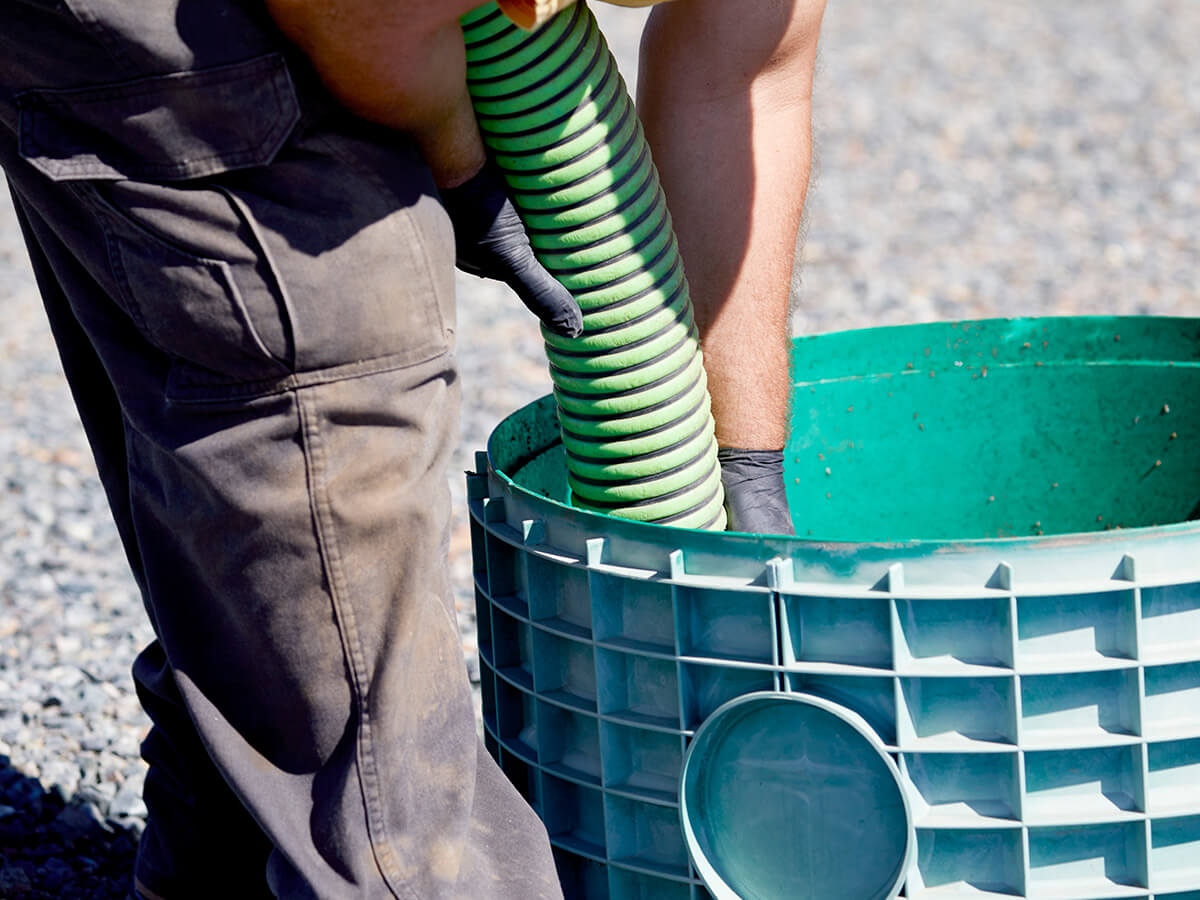
If you are looking for reliable septic tank pumping in Dundalk, you have come to the right place to learn how to protect your home. Living in our beautiful part of Ontario means taking full responsibility for your own waste management to avoid costly repairs.
Understanding the Dundalk Landscape
The unique geography of Southgate and Grey County presents specific challenges for homeowners using private septic systems. Our local environment dictates how well your system performs and how long it will last before needing replacement.
- The Dundalk High Water Table: Our region often deals with high water levels that can saturate the ground around your tank. This makes it harder for liquid to leave the leaching bed during heavy rain or spring thaws. Proper drainage planning is essential to keep your system from backing up into your home.
- Heavy Clay Soil Composition: Much of the soil in our area consists of dense clay that does not absorb water as quickly as sandy soil. This means your leaching bed can become overwhelmed if you send too much water down the drain at once. You must be extra careful not to flood the system during the wet seasons.
- Cold Ontario Winters: Dundalk experiences deep freezes that can reach several feet into the ground during a typical winter. Frozen pipes or a frozen tank can cause the entire system to stop working until the spring thaw arrives. Maintaining proper insulation and cover is vital for year-round functionality.
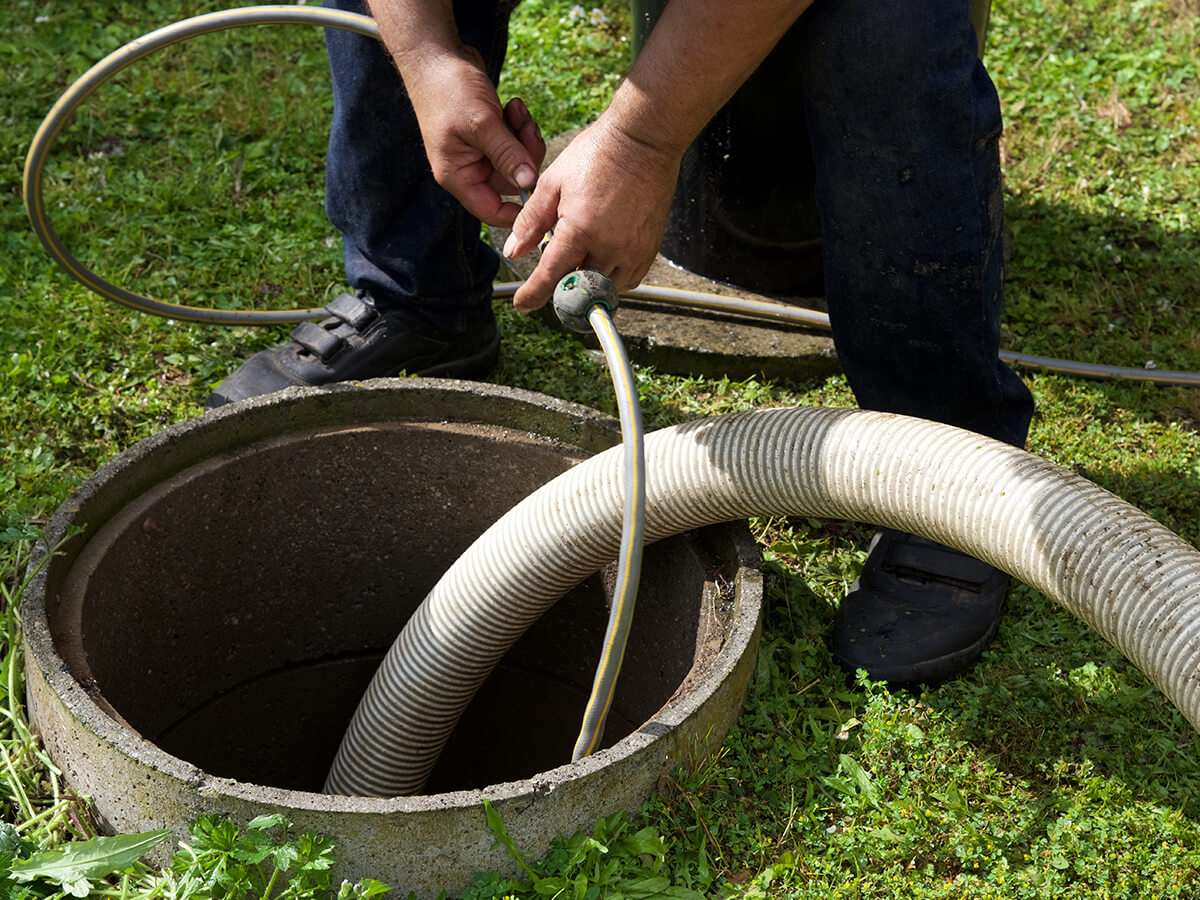
9 Maintenance Tips for a Longer-Lasting Septic System
Taking care of your septic system does not have to be a complicated or stressful chore for your family. By following these simple steps, you can ensure your system remains healthy and functional for many decades to come.
- Respect the 3-to-5-Year Pumping Rule: Regular septic tank pumpings are the most important task you can perform to prevent total system failure. This process removes the solid sludge that builds up at the bottom of the tank over time. If you ignore this schedule, solids will eventually flow into your leaching bed and ruin it.
- Manage Your Winter Blanket: You should never shovel or plow the snow off the top of your septic tank or leaching bed area. Snow acts as a natural layer of insulation that prevents the frost from reaching your underground pipes. Keeping the snow intact helps ensure your system continues to flow even during a January cold snap.
- The Flushable Myth: You must avoid flushing anything down the toilet except for human waste and standard toilet paper. Items labeled as “flushable wipes” do not actually break down and will quickly clog your pipes or tank. These clogs often lead to emergency service calls that could have been easily avoided.
- Divert Surface Water Away: Ensure that your home’s gutters and sump pump pipes are pointing far away from your septic leaching bed. Excess water from the roof can “drown” the soil in your yard and stop it from treating waste. Keeping the area dry allows the natural bacteria in the soil to do its job effectively.
- Be Strategic with Laundry Day: Try to spread your laundry loads throughout the entire week instead of doing them all on one day. Washing five or six loads in a row sends a massive surge of water into the tank that can stir up solids. This surge can push raw waste into your leaching field, which causes permanent damage.
- Protect the Leaching Bed from Compaction: Never park cars, trucks, or heavy equipment on top of the area where your pipes are buried. The weight of a vehicle crushes the soil and can snap the plastic pipes hidden underneath the grass. Compacted soil loses its ability to filter water, leading to puddles of sewage in your yard.
- Mind Your Roots: Do not plant trees or large shrubs near your septic tank or the surrounding drainage field. Tree roots are naturally drawn to the moisture and nutrients found inside your septic pipes. Once roots enter the pipes, they grow quickly and cause massive blockages that are hard to fix.
- Limit Garbage Disposal Use: Using a kitchen garburator adds a large amount of extra organic matter and grease to your septic tank. These extra solids fill up the tank much faster and require more frequent septic tank pumpings to manage. It is much better for your system if you compost food scraps or throw them in the green bin.
- Annual Effluent Filter Cleaning: Most modern systems have a filter located at the outlet of the tank that catches small floating debris. You should pull this filter out and rinse it off with a garden hose at least once every year. A clean filter prevents lint and hair from escaping the tank and clogging your expensive soil bed.
Warning Signs of a Failing System
Knowing the early warning signs of trouble can help you fix a small issue before it becomes a disaster. Spotting these problems early so you can save money on major excavations.
- Unusually Lush Green Grass: If the grass over your leaching bed is much greener and taller than the rest of your yard, it may be a bad sign. This often means the effluent is rising to the surface because the soil can no longer soak it up. This “surfacing” is a clear signal that your system is struggling to breathe.
- Slow Drains and Gurgling Sounds: Pay attention if your sinks take a long time to empty or if the toilet makes a bubbling noise when you flush it. These sounds usually indicate that air is trapped in the pipes due to a blockage or a full tank. You should investigate these noises immediately before a total backup occurs in your basement.
- Foul Odors Near the Tank: You should not smell sewage when you are walking around your backyard or near the septic lids. A strong smell of rotten eggs often means there is a leak or the tank is overdue for septic tank maintenance. These odors are not just unpleasant; they indicate that gases are escaping where they shouldn’t.
Why Professional Inspection Beats DIY
While some home maintenance can be done by yourself, septic systems require specialized tools and expert knowledge.
- Structural Integrity Checks: A professional can see if your concrete tank is cracking or if the baffles have fallen off inside. These internal parts are vital for keeping solids where they belong and out of your yard. Catching a cracked lid or a broken baffle early can prevent a dangerous cave-in on your property.
- Accurate Sludge Measurement: Plumbers use specific tools to measure the exact thickness of the sludge and scum layers in your tank. This helps us tell you exactly how often you need septic tank pumpings based on your specific usage. Every family is different, and a professional assessment ensures you aren’t guessing about your system’s health.
- Safety and Hygiene: Working with raw sewage is dangerous because it contains harmful bacteria and pathogens that can make you very sick. Professionals have the right safety gear and disposal methods to handle waste without contaminating your home. Plumbers make sure the job is done cleanly so your family stays safe and healthy.
The Long-Term Value of Maintenance
Investing a small amount of money into your septic system today will save you tens of thousands of dollars in the future. A well-maintained system also adds significant value to your property if you ever decide to sell your home.
- Property Resale Value: Homebuyers in rural Ontario are very cautious about the condition of the septic system before they sign a contract. Providing records of regular septic tank pumpings proves to buyers that you have taken excellent care of the home. A failed septic inspection can easily ruin a real estate deal at the last minute.
- Avoiding Emergency Costs: Emergency repairs on a Friday night or during a holiday weekend are always more expensive than scheduled maintenance. By staying ahead of the game, you avoid the stress and high costs of urgent plumbing disasters. Regular check-ups allow us to find small problems while they are still cheap to fix.
- Environmental Protection: A leaking or overflowing septic system can contaminate the local groundwater and nearby wells in the Dundalk area. Keeping your system in top shape protects the local ecosystem and the water your neighbours drink. It is our shared responsibility to keep our rural environment clean and safe for the next generation.
- Extending System Life: The average septic system is designed to last about twenty years, but many fail much sooner due to neglect. With the right care, you can stretch that lifespan to thirty or even forty years of reliable service. This saves you from the massive headache of digging up your entire yard for a replacement.
- Peace of Mind: There is a great sense of security in knowing that your home’s waste system is working perfectly underground. You won’t have to worry every time you run the dishwasher or take a long shower during a rainstorm. Routine septic tank pumpings are the best insurance policy you can buy for your rural property.
- Optimizing Bacterial Balance: Plumbers can help you understand which household cleaners are safe to use so you don’t kill the “good” bacteria in your tank. These bacteria are necessary to break down waste and keep the system flowing smoothly. Avoiding harsh chemicals keeps your tank healthy and reduces the frequency of emergency interventions.
- Modern Upgrades: During a routine visit, plumbers can suggest modern upgrades like risers that make your tank lids easier to access. Risers mean they don’t have to dig up your lawn every time you need service, which saves time and money. These small improvements make long-term maintenance much easier for the homeowner.
- Managing High Usage: If you have a large family or frequently host guests, your system works much harder than a single-person household. You can adjust your maintenance schedule to match the actual load on your system. Tailored advice ensures that your specific needs are met without overspending on unnecessary services.
- Regulatory Compliance: Local building codes and environmental laws in Ontario are strictly enforced to protect our water sources. Keeping your system up to date ensures you stay in compliance with all Southgate township regulations. Plumbing experts help you navigate these rules so you never have to worry about fines or legal issues.
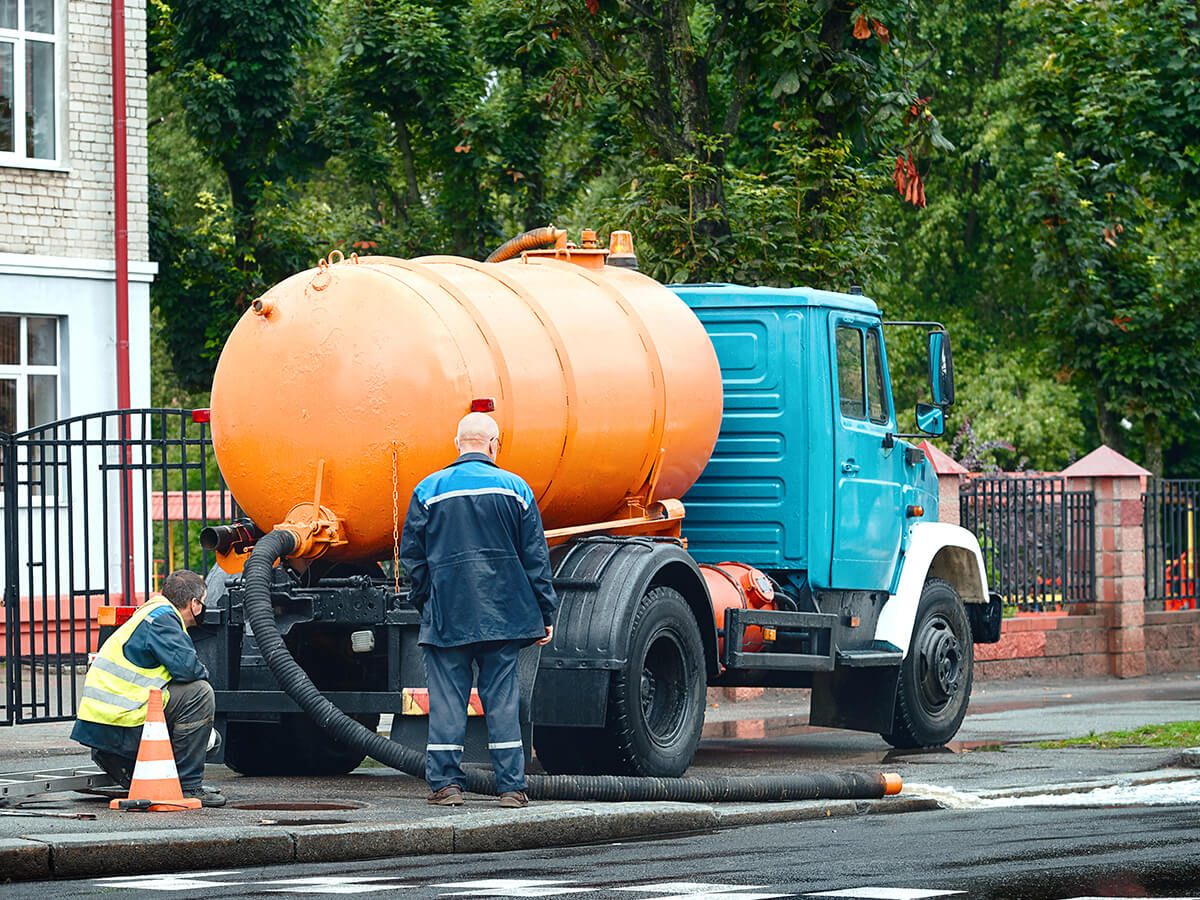
Trust Plumbing Authority for Your Septic Needs
Plumbing Authority is proud to be the local experts that homeowners trust for reliable and professional septic tank maintenance. Our team understands the specific soil conditions and weather patterns of our region, making us the perfect partner for your home maintenance. Do not wait for a backup to happen; take action today to protect your property and your wallet. If you are ready to schedule your septic tank pumping in Dundalk, call us today at 647-992-PIPE (7473) to see the difference that professional service makes for your peace of mind.