Property owners in Alliston, Beeton, and Tottenham face unique underground challenges that are impossible to see from the surface. Shifting local soils, mature tree root networks, and harsh winter freeze-thaw cycles constantly put stress on buried drain lines. When wastewater drains slowly or backs up into a basement, finding the exact cause quickly saves thousands of dollars in property damage. Working with a master-licensed plumber in New Tecumseth ensures that structural defects are identified with absolute precision before any excavation begins.
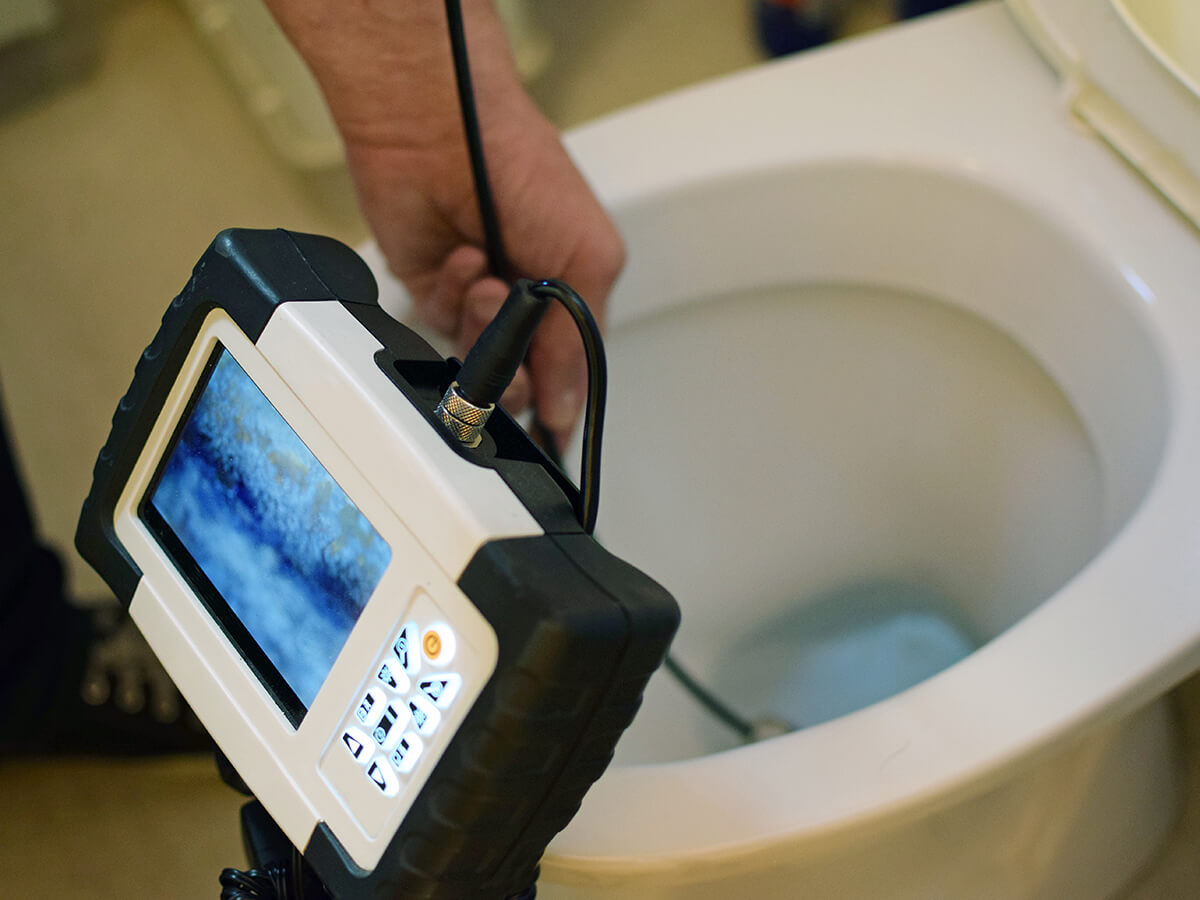
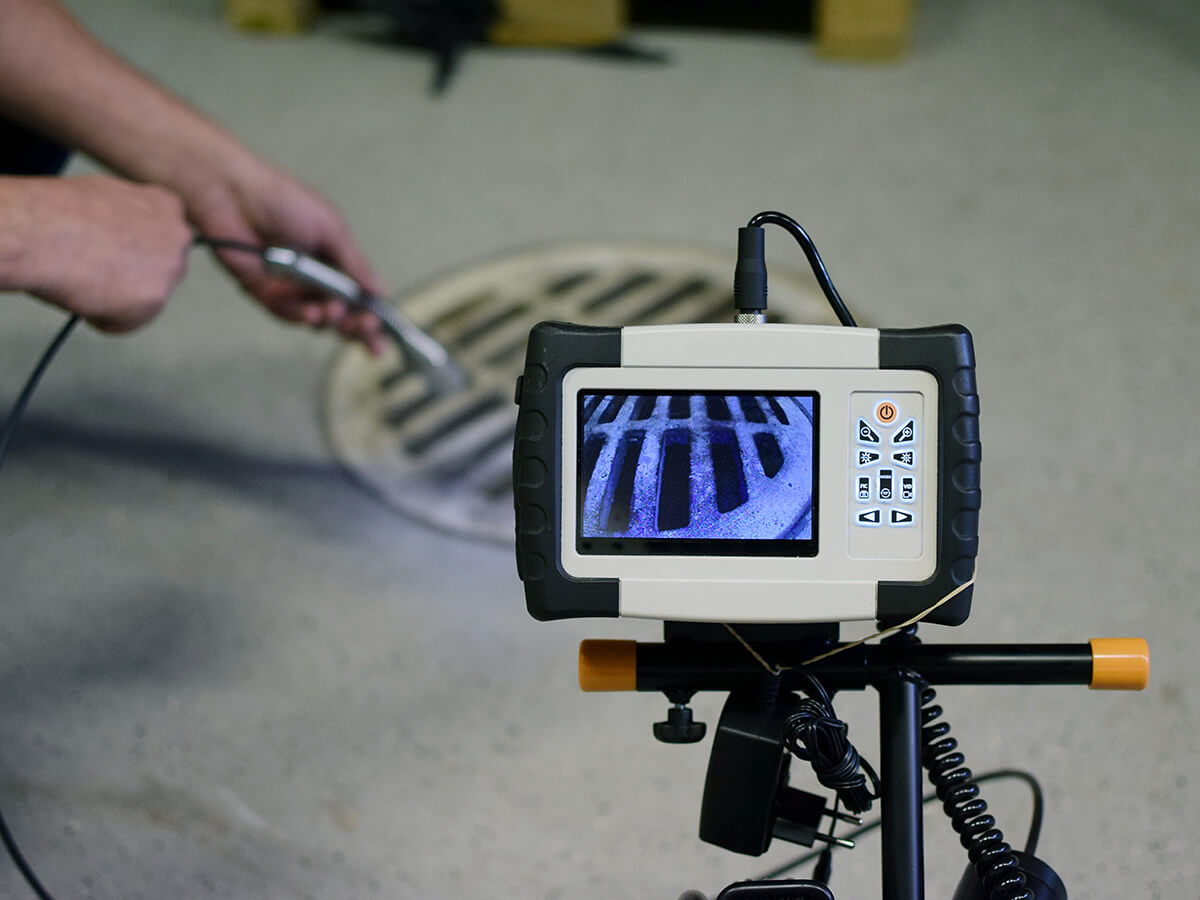
Traditional diagnostic methods often rely on guesswork or invasive digging that ruins landscaping and driveways. Modern high-definition sewer and drain cameras remove the mystery by providing real-time visual data from deep within the system. These specialized waterproofing cameras travel smoothly through the entire length of a pipe to broadcast clear video footage to a monitor above ground. Investing in a professional diagnostics session reveals critical flaws early so you can make informed decisions about your property.
What Local Pipe Problems Does a Plumber in New Tecumseth Face?
Buried utility lines across South Simcoe County operate under intense environmental pressure throughout the year. The regional soil composition changes frequently, transitioning from heavy clay to sandy patches that shift during heavy rains and seasonal thaws. This constant ground movement forces older underground pipes to flex, crack, and disconnect far sooner than normal plumbing systems in more stable environments.
Our professional experience shows that the age of the neighborhood determines the types of plumbing emergencies a property will experience. Older historic districts frequently utilize clay or cast-iron lines that are highly susceptible to rust and structural collapse.
Meanwhile, newer subdivisions often experience issues stemming from hurried installations, improper pipe bedding, or soil settling around PVC lines. Understanding these unique regional factors helps a local plumber accurately identify why a specific drain network is failing.
9 Hidden Defects Caught by HD Pipe Inspection Cameras
Unseen plumbing lines can harbor serious defects for many months before showing obvious warning signs inside the home. Standard drain snaking might temporarily puncture a hole through a blockage, but it cannot fix structural weaknesses. A detailed camera inspection exposes the true physical condition of the line so permanent repairs can be scheduled.
1. Hairline Pipe Fractures and Stress Cracks
Small fissures can form along the length of a plastic or metal sewer pipe due to constant ground pressure. These microscopic openings allow water to slowly seep into the surrounding earth, which weakens the support structure beneath your foundation. Over time, the constant escape of moisture causes the fracture to expand until the entire section of the line collapses completely.
2. Early-Stage Root Intrusion at the Joints
Tiny tree roots constantly search for moisture and easily slip through microscopic gaps in old pipe connections. Once inside the line, the roots feed on the nutrient-rich wastewater and grow into dense, hairy mats that catch debris. If a property owner ignores these early warning signs, the expanding root mass will eventually shatter the pipe from the inside out.
3. Displaced or Misaligned Pipe Joints (Offsets)
Sections of buried drain pipes can uncouple and shift out of alignment when the surrounding soil settles unevenly. This movement creates a sharp internal ridge or drop-off that stops solid waste from flowing smoothly down the line. The offset also allows raw sewage to leak directly into the ground, which creates foul odours and erodes the surrounding soil.
4. Severe Pipe Sagging and Bellies
Heavy overhead vehicle traffic or poor trench preparation can cause a section of a lateral line to sink downward. This low spot collects water and solid waste because gravity no longer helps the debris move toward the main sewer. A professional plumber uses a camera to locate these valleys so the line can be excavated and leveled properly.
5. Internal Scale Build-Up and Tuberculation
Hard water minerals and chemical crusts naturally accumulate along the inside walls of older cast-iron plumbing systems. This crusty layer narrows the functional pathway of the pipe and significantly reduces the speed of the draining water. The rough texture also snags toilet paper and grease, which leads to frequent and stubborn blockages that require hydro-jetting.
6. Channel Corrosion and Bottom Rot
Wastewater running through the bottom track of a metal pipe causes the material to rust and thin out over several decades. Eventually, the entire bottom of the pipe rots away, leaving an open channel where water flows directly into the dirt. This hidden structural failure leads to sudden sinkholes beneath concrete garage floors, driveways, or basement slabs.
7. Hidden Pipe Punctures or Construction Damage
New utility installations, fence post digging, or landscaping projects can accidentally strike and pierce an unmapped sewer line. The workers might not even realize they hit a pipe, leaving a large hole hidden beneath the surface of the lawn. Soil and stones will slowly pour through the puncture site, creating an immediate blockage while sewage saturates the yard.
8. Structural Deformity and Pipe Ovality
Flexible plastic pipes and older bituminous fiber lines can flatten into an oval shape under the weight of deep soil. This flattening reduces the internal volume of the drain and prevents standard cleaning tools from passing through safely. If the ovality continues to worsen, the top of the line will buckle completely under the immense pressure.
9. Latent Foreign Object Obstructions
Children’s toys, construction debris, or heavy wet wipes can become permanently wedged deep inside a main lateral line. A snake might push past the object without actually removing it, leading to a false sense of security for the property owner. The camera identifies the exact shape and position of the object so our team can choose the right tool to retrieve it.
A high-definition visual assessment ensures that every single one of these structural hazards is documented with absolute clarity. Instead of digging up your entire yard to find a leak, we target the exact spot that requires attention. This modern plumbing strategy protects your landscaping investment and saves valuable time during a repair.
The Economic and Preventative Benefits of a High-Definition Camera Inspection
High-definition drain scanning offers massive financial advantages for property owners who prefer preventative maintenance over emergency remediation. Knowing the exact state of an underground system allows you to plan out budgeting for future plumbing upgrades. It also prevents unexpected sewer backups from ruining finished basements, expensive flooring, and irreplaceable personal belongings.
Real Estate Protection
Homebuyers can avoid inheriting thousands of dollars in hidden repair costs by requesting a sewer scope before closing. A pre-purchase inspection uncovers active root blockages or broken lines that do not show up during standard home inspections. This valuable visual proof gives buyers the leverage needed to negotiate repair costs before finalizing the property contract.
Targeted Repairs
Knowing the exact depth and coordinates of a pipe defect eliminates the need for destructive exploratory trenching. A plumber can use electronic locators in tandem with the camera to mark the exact square foot of lawn to excavate. This precise positioning saves money on labor and reduces the cost of restoring ruined lawns, gardens, or concrete.
Maintenance Verification
Camera scans provide absolute proof that a hydro-jetting or snaking service successfully cleaned out the entire drain network. Property owners can look at the before and after video files to verify that all roots and grease have been completely removed. This transparency ensures you get exactly what you paid for from your service provider.
Using advanced optical tools changes the way property maintenance is handled by removing all elements of guesswork. We can easily catch small structural weaknesses today before they transform into major financial burdens next season. This proactive approach keeps your home safe and ensures your underground infrastructure remains completely functional for many years.

Frequently Asked Questions
Can an HD inspection camera see through thick mud and standing water inside a completely blocked pipe?
A camera can travel through standing water, but it cannot see through thick, opaque mud or heavy grease layers. If a pipe is completely packed with debris, a plumber must first flush the line with water before the camera can capture clear video.
How long does a standard residential sewer camera inspection take to complete?
A typical residential sewer line scan takes between thirty minutes and one hour to perform from start to finish. The total time depends on the accessibility of your cleanout valve and the overall length of the line.
Will the camera line locator show the exact depth of the pipe beneath my concrete basement floor?
Yes, the camera transmitter sends a signal that tells the technician the exact depth of the pipe down to the centimeter. This information allows us to plan precise repairs without breaking up unnecessary sections of your concrete floor.
Can an inspection camera find leaks in the small water supply lines hidden behind my bathroom walls?
No, main sewer cameras are designed for large drain lines and cannot fit inside small, pressurized water supply pipes. Wall leaks are instead located using thermal imaging technology and acoustic listening devices.
Should I get a camera inspection if my drains are currently flowing without any obvious issues?
Yes, routine inspections are highly recommended every few years to catch early-stage root growth or minor pipe shifting. Finding these small structural defects early allows you to schedule repairs on your own time before a backup occurs.
Schedule an Advanced Diagnostics Session with Plumbing Authority
Do not wait for an unexpected basement backup or a foul odor in your yard to reveal what is happening beneath your property. Our master-licensed team uses the latest waterproof camera equipment to give you a clear view of your underground system. We provide highly accurate, transparent diagnostic reports that help you protect the long-term value of your home or commercial building.
Call us today at 647-992-PIPE (7473) to book an advanced inspection with an experienced plumber in New Tecumseth who understands the specific drainage needs of your local neighborhood.