
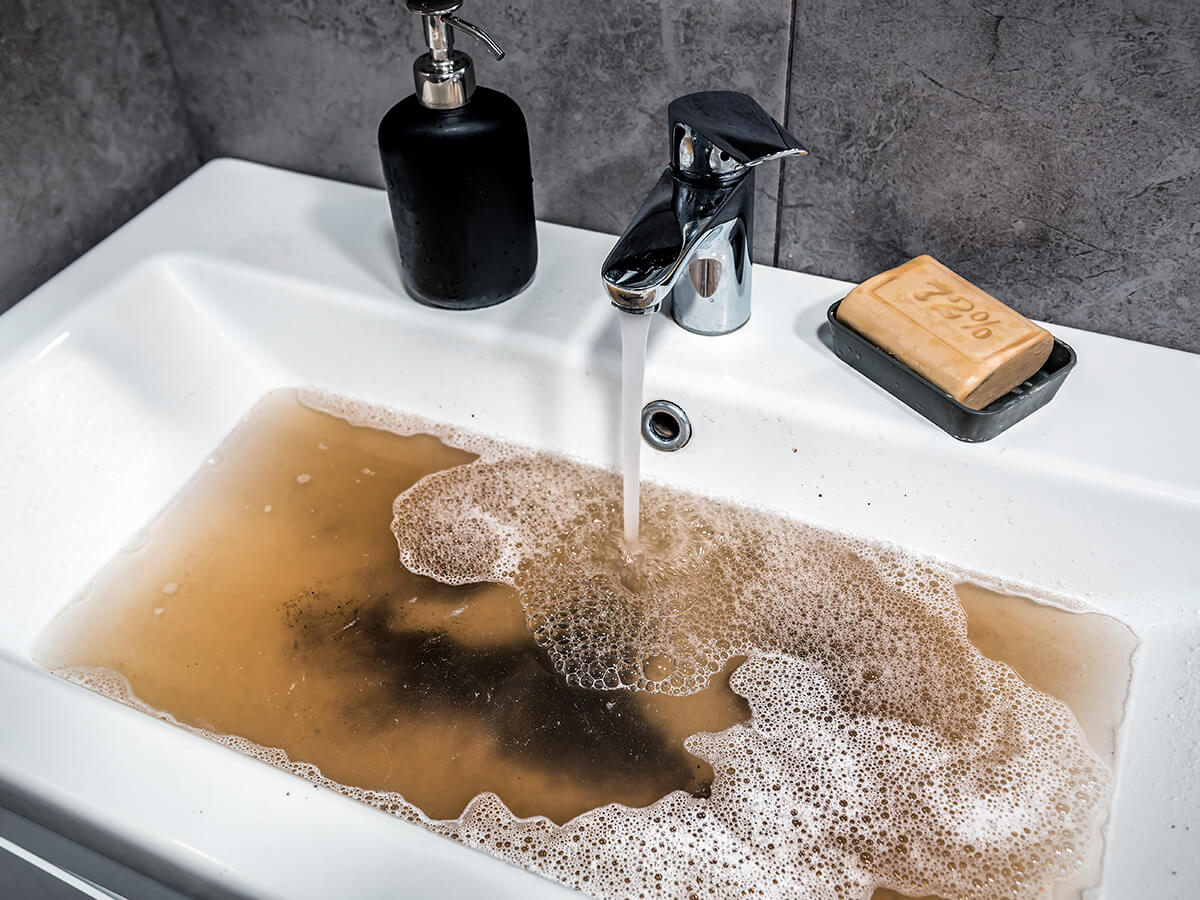
Finding a bad smell under your bathroom vanity can ruin your day. This rotten-egg or sewage odor is often sewer gas, which can cause headaches or nausea if you breathe it in for too long. Property owners must fix this issue quickly to keep their indoor air clean and safe. Whether your house connects to the public system in Alliston or uses a private septic tank in the countryside, you need a reliable plumber in New Tecumseth to help you navigate these unique local drainage systems.
How to Identify the Source of Bathroom Odours
Sewer gas can travel through small gaps and find its way into your living spaces. Finding the exact source of the smell requires a step-by-step look at your piping. Many homeowners blame the toilet first, but the dark cabinet under the sink is a very common trouble spot.
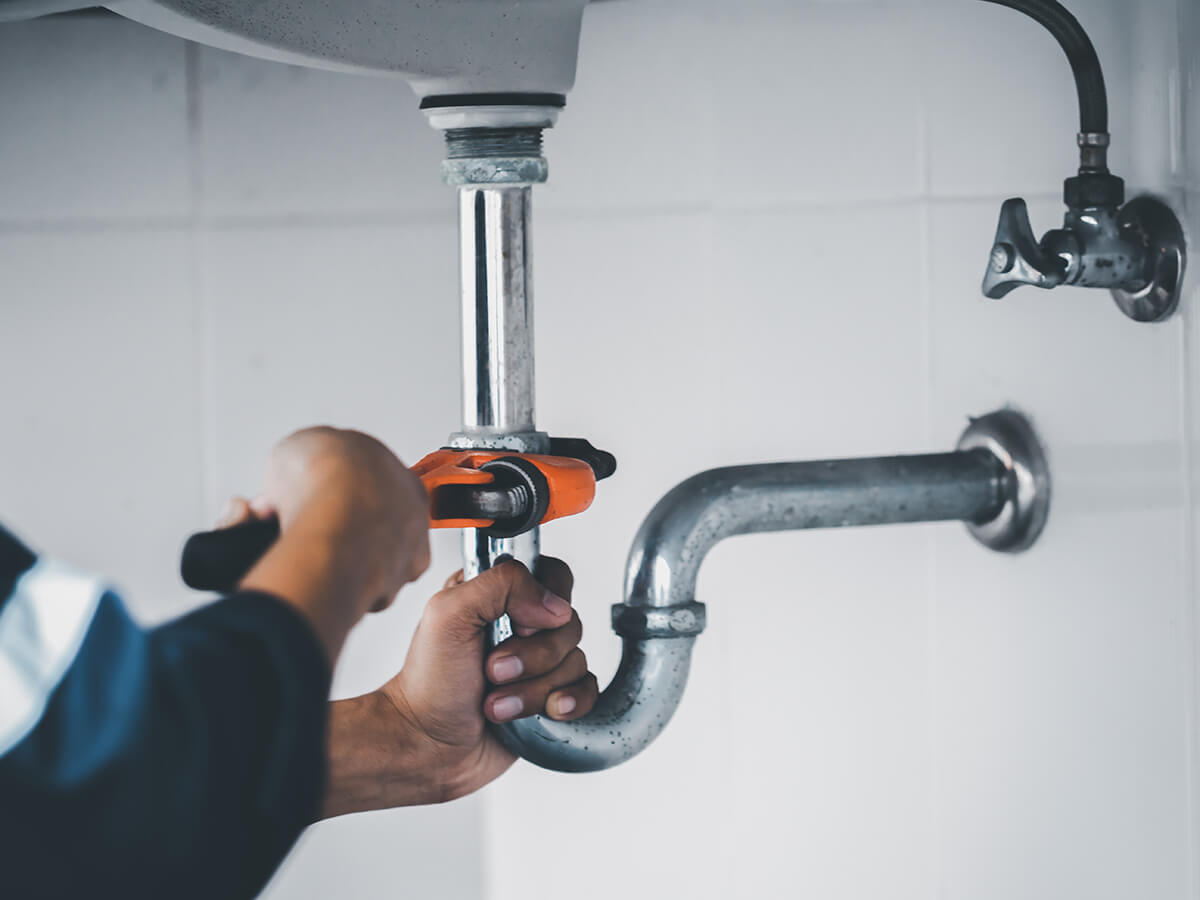
- P-Trap Location: The curved pipe directly under your sink basin is the first place you should check. This area stays hidden behind cabinet doors and collects a lot of debris over time. It is a prime spot for bad smells to build up.
- Cabinet Floor: Moisture can pool on the bottom board of your vanity and warp the wood material. This damp environment creates a perfect home for dark mould and sour mildew smells. You must dry this area completely to stop the odour.
- Wall Penetration: The spot where the plastic or metal drain pipe goes into the drywall is often left wide open. Unsealed holes allow smelly air from inside the wall cavities to enter your bathroom. Sealing this gap keeps the air clean.
Fixing these small areas first will help you rule out simple problems before you call a licensed professional.
9 Effective Ways to Eliminate the Unpleasant Odour
Taking care of your drains prevents bad smells from taking over your home. You can fix many of these issues with basic household tools and a little bit of time. If you follow these practical tips, you can clean out your system and protect your family from breathing in sewer gases.
- Prime a Dry P-Trap: The U-shaped pipe under your bathroom vanity holds a constant pool of water to block gases. If you do not use the guest bathroom sink for a long time, this protective water barrier completely evaporates. Running your faucet for 30 seconds refills the trap and blocks the smell.
- Clear the Sink Overflow Drain: The small safety hole near the top of your ceramic sink basin connects to a hidden channel. Soap scum, loose hair, and thick slime easily build up inside this dark passageway. You can flush it out using a small brush or a warm vinegar mixture.
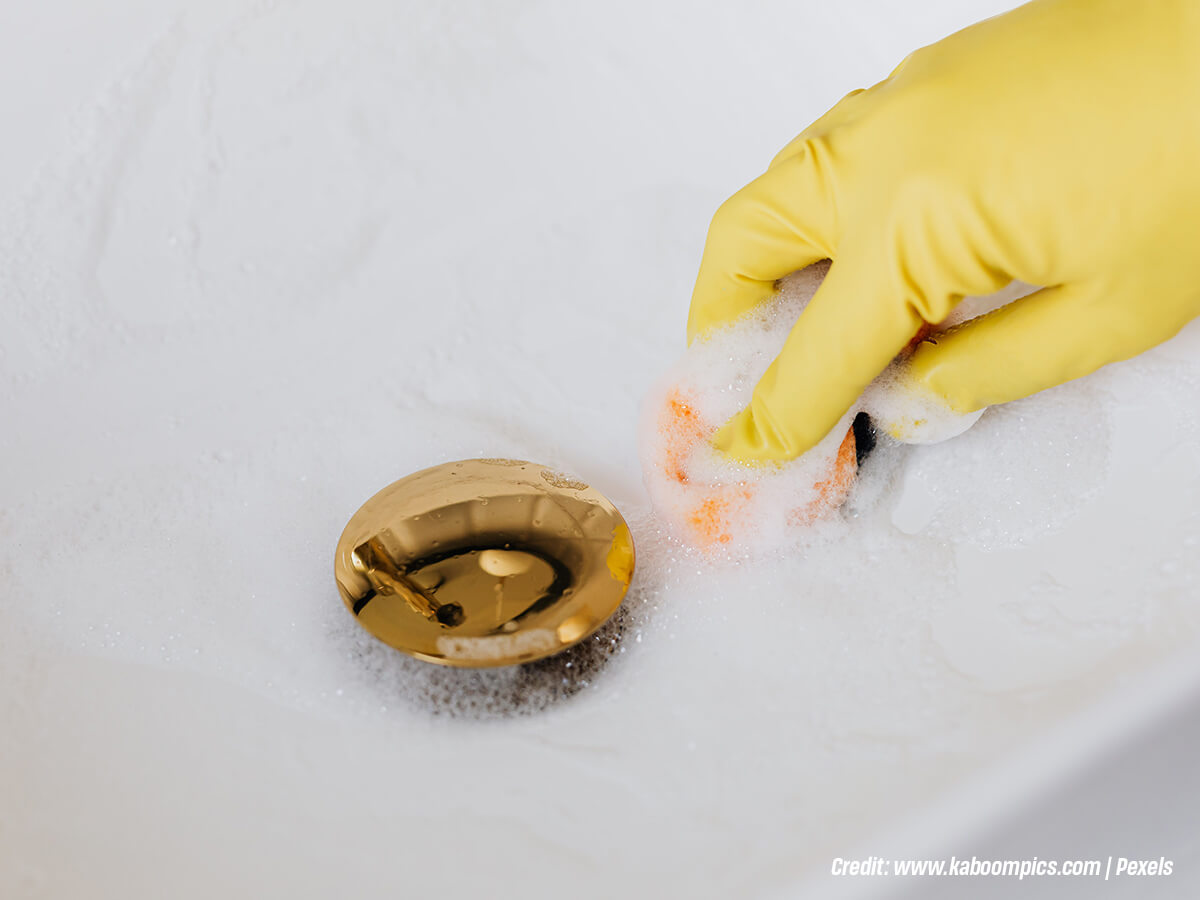
- Clean the Pop-Up Drain Stopper: Hair and sticky toothpaste residue often wrap around the mechanical parts of your sink plug. This organic material sits just below the basin and rots over time. You should pull the stopper out completely, scrub the grime away, and rinse it well.
- Inspect Connections for Micro-Leaks: Loose plastic slip nuts or worn-out rubber washers can let sewer gas escape into your vanity cabinet. Even if you do not see a puddle of water, a tiny gap can let air out. Checking the pipe joints with a dry paper towel helps you find these hidden leaks.
- Check for a Faulty Air Admittance Valve: Many modern bathroom vanities use a small mechanical valve instead of a long pipe through the roof. If the internal spring gets stuck open, sewage air spills directly into your cupboard. You can unthread the old valve and screw on a new replacement quickly.
- Clear Blocked Plumbing Roof Vents: Main vent pipes go up through your roof to let gas escape safely into the outdoor air. Local winters bring heavy snow and freezing temperatures that can create thick ice caps over these openings. Cleaning the debris off your roof restores the right balance of pressure.
- Seal the Wall Penetration Gap: The drain pipe passes through a rough hole in your drywall or vanity backing material. If this opening is left unsealed, foul air from inside your walls will seep into your cabinet. You can use expanding foam or an escutcheon plate to close it.
- Use Baking Soda and Vinegar: Persistent odours can come from a layer of organic buildup inside the vertical sink pipe. Pouring half a cup of baking soda followed by a cup of white vinegar breaks down this grime. Flushing the drain with boiling water cleans away the remaining residue.
- Inspect Broader Septic or Sewer Lines: Deep blockages far down your main pipe can force sewer gas backward into your home. Rural properties with a full or failing septic bed will notice slow drains and lawn smells. You will need advanced diagnostic tools to locate these deep problems.
Dealing with these items one by one will help you find the true cause of the smell. If the plumbing system still smells bad after these steps, the root problem is likely deeper in your main lines.
When to Call a Professional Plumber in New Tecumseth
Some plumbing problems are too large or dangerous for a standard DIY repair job. When sewer lines crack or vent stacks clog deep inside the walls, you need professional machinery to fix them. A local plumber knows how the regional weather and soil conditions affect your home drains.
- Advanced Camera Inspections: Special waterproof cameras allow a technician to see the exact condition of your underground pipes. This process finds hidden cracks and tree root intrusions without digging up your yard. A camera inspection saves you a lot of time and money on repairs.
- High-Pressure Drain Jetting: Professional technicians use blast nozzles to clear out tough grease and mineral scale from lines. This service cleans the full diameter of the pipe instead of just poking a hole. It keeps your drains running smoothly for a much longer time.
- Septic System Testing: Testing the flow of your septic tank requires specialized knowledge of regional environmental laws. A professional can check sludge levels and look for signs of drainfield failure. This inspection keeps your private waste system working safely.
Hiring an expert ensures that your home stays safe and follows local building codes. A certified plumber can find the exact issue quickly and give you long-term peace of mind.
How to Prevent Future Sewage Smells
Keeping your bathroom fresh requires regular maintenance and good habits. You should never wait for a bad smell to appear before you check your pipes. Simple routines will keep your plumbing lines clear and prevent dangerous gases from escaping into your house.
- Routine Drain Flushing: Pouring hot water down your sinks once a week washes away fresh soap film. This simple task stops organic matter from building up and turning into smelly slime. It keeps the inside of your pipes clean and slick.
- Monthly Valve Checks: You should look at your air admittance valves every month to make sure they seal tight. Gently tapping the plastic housing can prevent the internal mechanism from getting stuck. This quick check keeps your vanity cabinet smelling completely fresh.
- Professional Mainline Maintenance: Scheduling a regular check-up for your waste lines prevents major emergency backups from happening. A technician can clean out small blockages before they block your entire household system. This care extends the life of your home drainage network.
Taking these preventive steps saves you from unexpected repair bills and keeps your bathroom clean. Consistent care is the best way to maintain a healthy plumbing system.
Frequently Asked Questions
- Can a broken toilet wax ring cause smells under the sink?
Yes, a broken wax ring lets sewer gas escape from under the toilet base and travel into nearby cabinets. The air moves through the open wall spaces and pools inside your bathroom vanity.
- Why does my bathroom sink smell worse when I run the washing machine?
The washing machine discharges a large volume of water that can create a vacuum if your vents are clogged. This suction pulls the protective water out of your sink P-trap and lets gas enter.
- Is sewer gas flammable if it builds up under a vanity?
Sewer gas contains methane, which can become flammable if it reaches high concentrations in a sealed space. You should keep the cabinet doors open and ventilate the room if the smell is strong.
- How long does a standard air admittance valve last before it fails?
Most high-quality air admittance valves last for about twenty years before the internal seal degrades. However, cheap valves or poor home ventilation can cause them to fail within five years.
- Can cast iron pipes cause sewage odours without showing a water leak?
Yes, old cast iron pipes can develop pinhole cracks along the top of the horizontal line where gas sits. These cracks let bad air escape into your home long before any water drips out.
Schedule a Professional Inspection with Plumbing Authority
Do not let foul smells ruin your indoor air quality or comfort. If you still smell sewage after trying these tips, our licensed team is ready to help you. We have the experience and tools to find and fix any drainage issue in your home.
As a trusted plumber in New Tecumseth, we provide 24/7 emergency service to keep your property safe. We use high-tech cameras and locators to find hidden line cracks, vent blockages, or septic problems fast. Call us today at 647-992-PIPE (7473) to schedule your professional plumbing inspection and clear the air in your home.