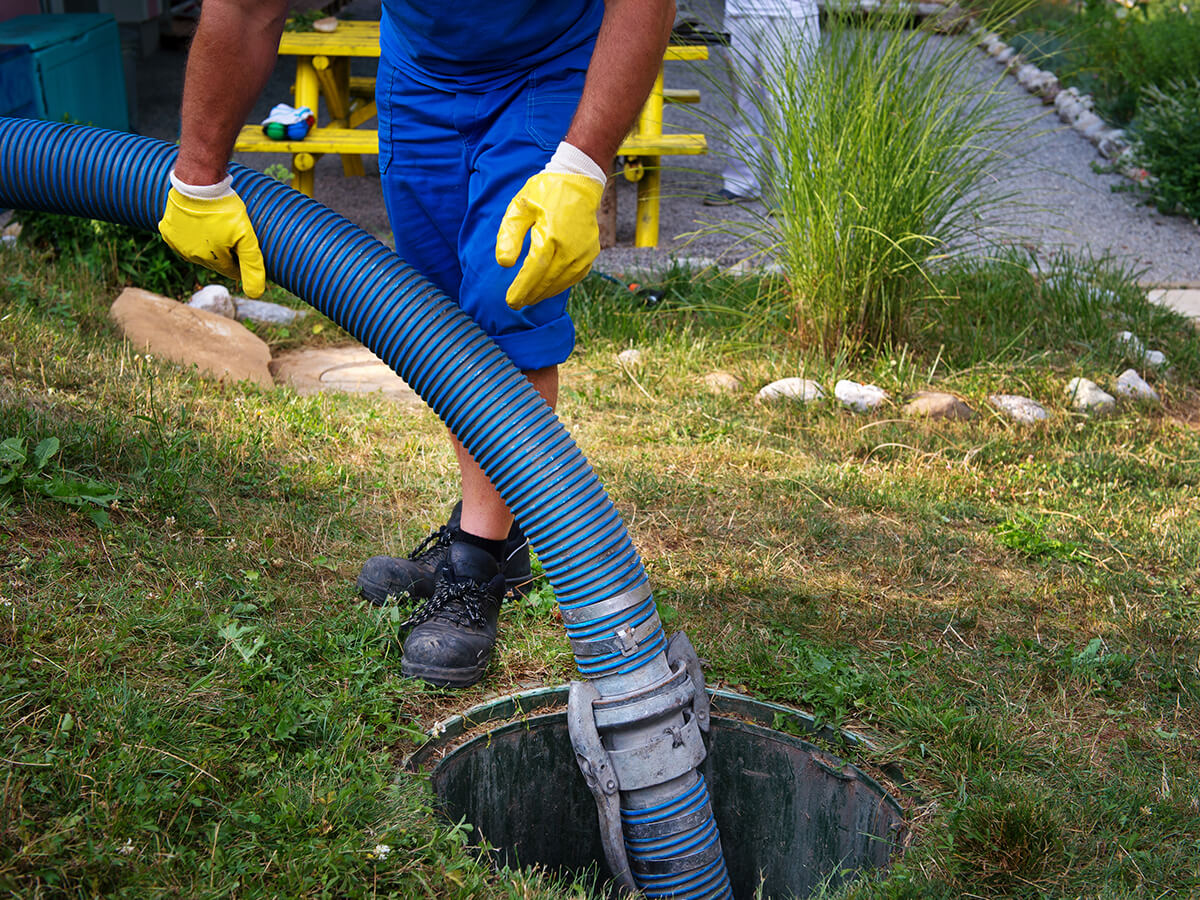
Private wastewater systems require regular maintenance to avoid catastrophic property damage and expensive repairs. Scheduling a routine appointment for septic tank pumping in Dundalk is the single best way to keep your home safe and functional. Out of sight often means out of mind for many homeowners in Southgate Township until a major plumbing emergency occurs.
The local environmental conditions, heavy winter snows, and rapid spring thaws put an immense amount of pressure on underground infrastructure. Ignoring your system until it fails will always lead to high repair bills and messy cleanups. Understanding the clear warning signs of an overloaded system helps you take action before disaster strikes your household.
- Pooling Water and Unusually Lush Green Grass
An overloaded system will eventually lose its ability to handle liquid waste properly. When the main holding chamber fills up with solid sludge, wastewater gets pushed out into the surrounding soil much too quickly. This extra moisture rises to the surface and creates noticeable changes in your yard.
- Soggy Ground Conditions: Muddy patches appear directly over the top of your absorption bed even during dry weather. The soil becomes completely saturated because the tank cannot hold any more liquid. This pooling water is a biohazard that requires immediate professional attention.
- Vibrant Lawn Growth: The grass above your tile bed suddenly looks much greener and grows faster than the rest of the yard. This happens because the overflowing wastewater acts as a potent fertilizer for the lawn. While a lush lawn looks nice, it actually indicates a major structural failure below the surface.
- Lingering Puddles: Water stands in deep puddles long after a heavy rainstorm has passed. The local soil can no longer absorb regular rainfall because it is already choked with septic effluent. Routine septic tank pumping prevents this excess liquid from destroying your property.
- Slow-Draining Toilets, Sinks, and Showers
When your entire household plumbing system starts to slow down, the issue is rarely a simple pipe clog. A full tank creates massive backpressure that restricts the movement of water throughout the entire house. This problem will impact every single plumbing fixture at the exact same time.
- Sluggish Sink Drains: Water swirls around the basin for a long time before finally trickling down the drain. This occurs because the exit pipe is fighting against the high volume of water inside the full tank. Standard store-bought chemical drain cleaners will not fix this structural bottleneck.
- Weak Toilet Flushes: Toilets require multiple flushes just to clear regular waste from the bowl. The water level might rise dangerously high before slowly receding over several minutes. This sluggish behaviour shows that your system has run out of storage space.
- Showering in Standing Water: Wastewater accumulates around your feet while you take a normal shower. The lowest drains in the home always show the first signs of system stress. Investing in timely septic tank pumping clears the path for water to flow freely again.
- Foul, Sewage-Like Odours Around the Property
A healthy wastewater system keeps raw waste and natural gases trapped safely deep beneath the ground. When the tank reaches its absolute maximum capacity, these smelly gases are forced upward through the soil or your home vents. The resulting smell is impossible to ignore and indicates a major maintenance deficit.
- Outdoor Odour Plumes: A strong scent of rotten eggs wafts across your yard on warm or windy days. The odour is usually strongest right next to the tank lids or around the absorption field. This unpleasant smell means sewage gases are actively escaping into your living space.
- Indoor Drain Odours: Foul smells travel up through your bathroom and kitchen drains into the house. The buildup of pressure forces sewer gas past the protective plumbing traps under your sinks. Regular septic tank pumping keeps these hazardous gases contained safely underground where they belong.
- Air Quality Drop: The air inside your utility room or basement begins to smell damp and musty. This drop in air quality means gas is seeping through tiny cracks in your foundational plumbing. Keeping up with maintenance prevents these odours from ruining your indoor comfort.
- Gurgling Sounds in the Plumbing System
Your pipes should always operate quietly when you run water or flush a toilet. Strange noises inside the walls mean air bubbles are trapped inside the main drainage line. This acoustic warning sign tells you that the system is struggling to breathe under too much weight.
- Bubbling Toilet Bowls: The toilet water gurgles loudly whenever your washing machine drains out. This noise happens because trapped air has no other way to escape the plumbing line. It is a clear warning that the main tank inlet is fully submerged.
- Noisy Sink Pipes: Sinks emit a distinct glug-glug sound after you turn off the running faucet. The sound means wastewater is fighting against a wall of thick sludge in the main pipe. Professional septic tank pumping relieves this internal pressure and restores quiet operation.
- Main Line Groaning: The main stack inside your basement makes a groaning sound during heavy water usage. This noise indicates that the entire system is working under extreme stress. Ignoring these acoustic warnings usually leads to a total plumbing backup very quickly.
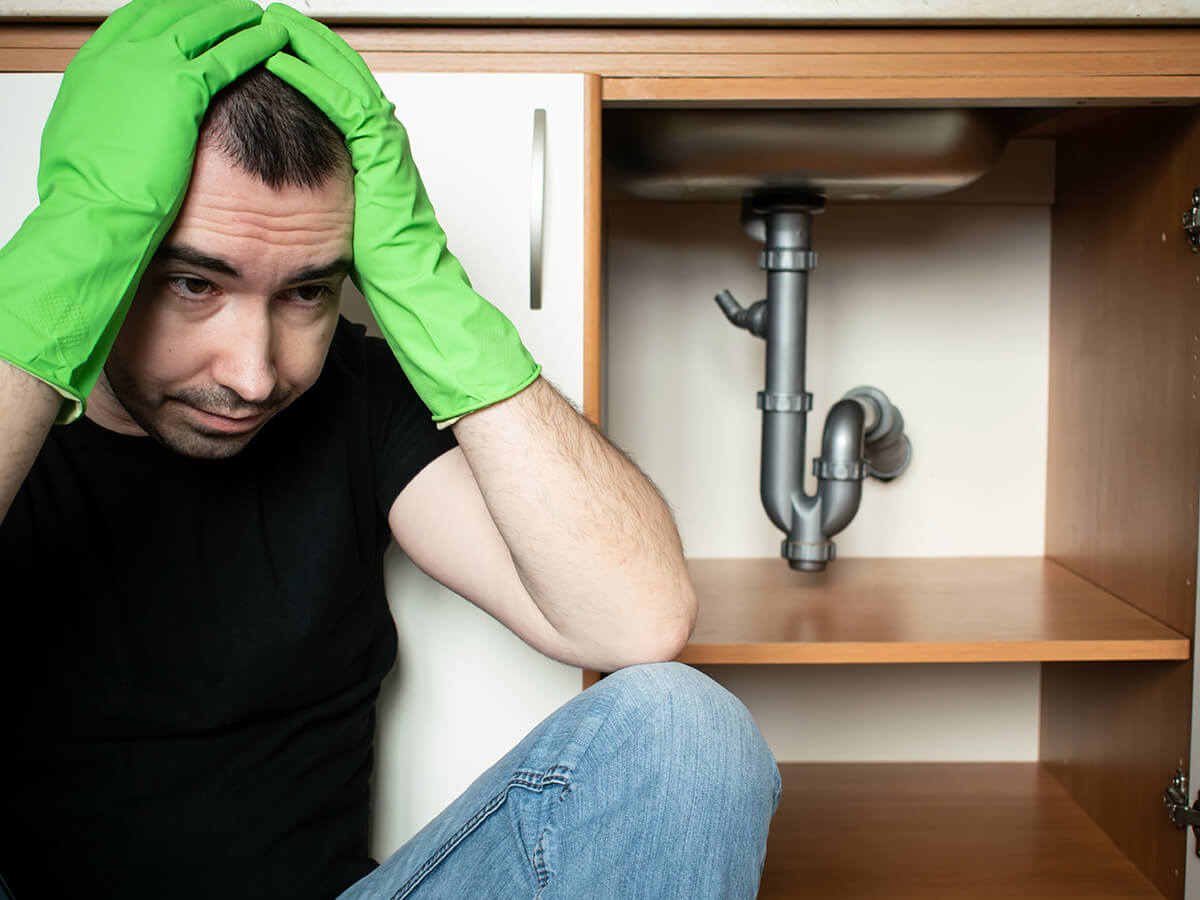
- Wastewater Backing Up Into Lower-Level Drains
A sewage backup is the absolute worst-case scenario for any rural or semi-rural property owner. When the underground chamber is completely full, incoming waste takes the path of least resistance back into your home. This is a true emergency that threatens your health and destroys your finishes.
- Basement Floor Flooding: Dark, smelly water begins to bubble up out of the lowest floor drains. This liquid is raw sewage that cannot enter the filled tank outside. It will quickly ruin drywall, flooring, and any personal property stored nearby.
- Shower Stall Backups: Dirty water fills the bottom of your basement shower stall when upper toilets flush. The lowest fixtures always flood first because they sit closest to the outdoor line elevation. This blackwater backup creates an immediate health hazard inside your home.
- Ruined Utility Rooms: Wastewater overflows around your washing machine drain hookups. The high volume of a laundry cycle easily overwhelms a neglected wastewater system. Consistent septic tank pumping is the only reliable way to prevent these messy disasters.
- Frequent and Mysterious Pipe Clogs
Routine household clogs are usually isolated to a single fixture like a hair-clogged shower or a blocked toilet. When you face multiple clogs across different rooms, the root cause sits outside in the yard. Solid waste builds up so high that it blocks the main entry pipe completely.
- Recurring Toilet Blockages: You find yourself using a plunger multiple times every single week. The blockage returns almost immediately after you think you have cleared the pipe. This happens because the true obstruction is the solid sludge layer inside the tank.
- Multiple Simultaneous Clogs: The kitchen sink and the laundry line clog up on the exact same afternoon. It is statistically rare for multiple independent pipes to fail at the exact same moment. This widespread failure means the entire system has simply run out of storage room.
- Inending Mainline Obstructions: Professional drain snaking only provides relief for a few days before pipes clog again. The plumbing snake is just moving sludge around without fixing the main capacity issue. Scheduling a septic tank pumping appointment removes the actual blockage at the source.
- High Nitrate Levels in Your Well Water
Most homes that use private waste systems also rely on private wells for their daily drinking water. A neglected tank can crack or overflow, allowing raw pathogens to filter straight into the local water table. This invisible contamination poses a severe threat to your family and your neighbours.
- Failed Water Tests: Routine laboratory testing shows sudden spikes in total coliform or nitrate counts. This chemical change means untreated sewage is actively blending into your clean water supply. You must stop drinking the water immediately to avoid serious illness.
- Strange Water Tastes: Your tap water develops a funny, chemical flavor or a strange metallic aftertaste. While nitrates are completely odourless, other organic compounds from the tank can alter water quality. This sensory change requires immediate investigation by a licensed professional technician.
- Cloudy Tap Appearance: The water coming out of your kitchen faucet looks hazy or slightly discoloured. This cloudiness indicates that surface runoff is mixing with your deep well water source. Routine septic tank pumping protects the purity of the local aquifer for everyone.
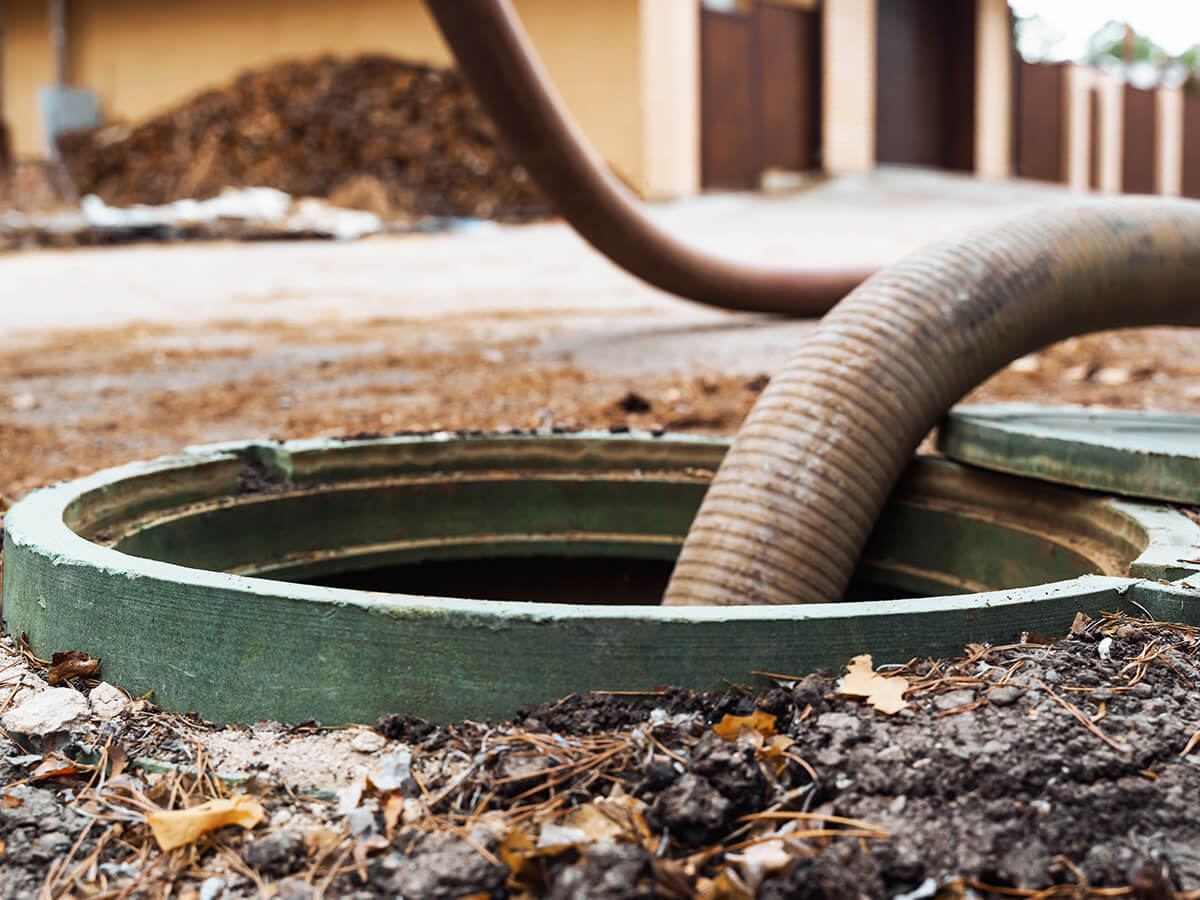
Schedule Your Critical Service with Plumbing Authority
Do not wait for a major sewage backup to ruin your home and drain your bank account. Our experienced team at Plumbing Authority is always ready to restore the safety and efficiency of your waste system. We use modern equipment and safe disposal practices to protect your property and our local environment.
Regular maintenance is always cheaper than a total system replacement or major home remediation project. Let us handle the dirty work so you can enjoy total peace of mind through every season. Call us today at 647-992-PIPE (7473) to schedule your professional septic tank pumping in Dundalk and keep your home running smoothly.