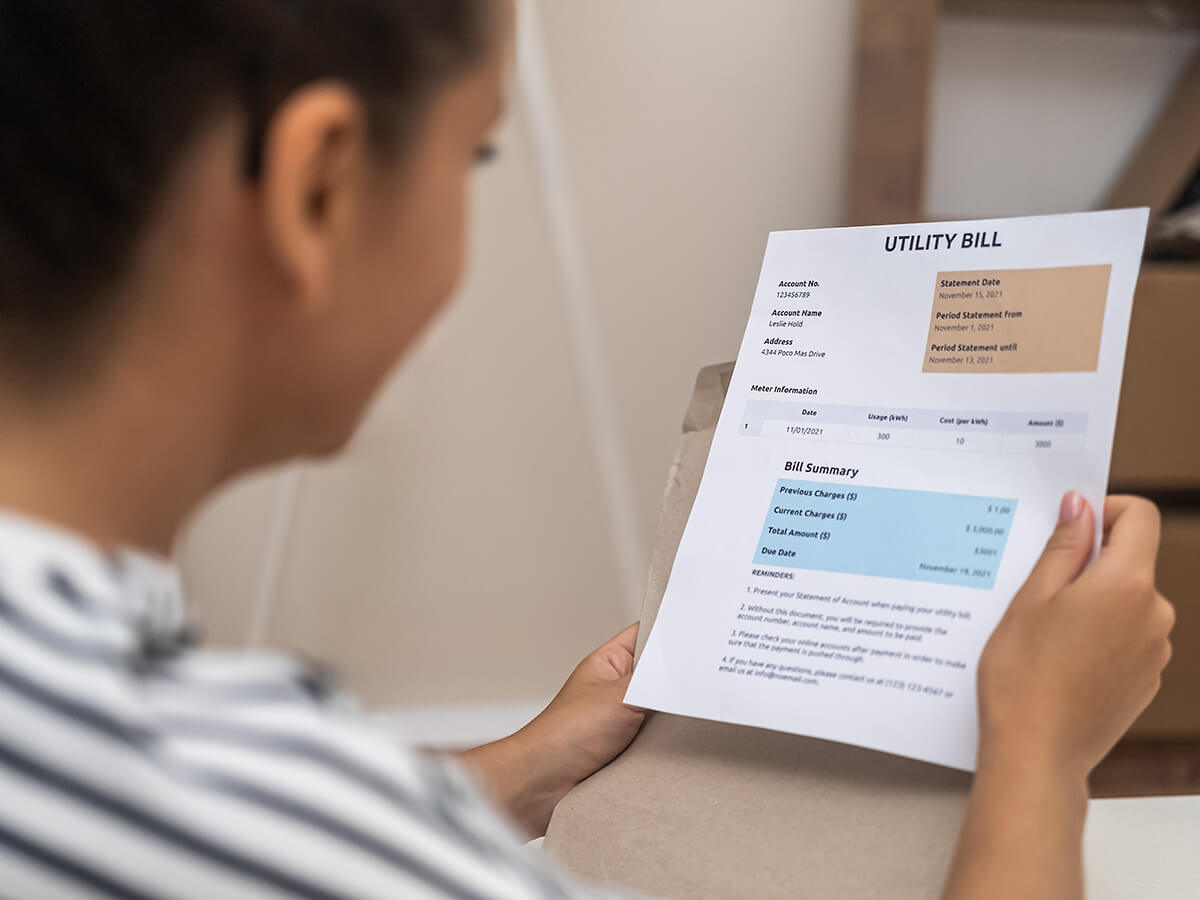
A sudden rise in your monthly utility statement often triggers immediate concern. Most homeowners in Ontario expect small shifts in pricing, but a massive jump usually points to an underlying issue within the household plumbing system. Identifying the root cause of these unexpected water bill increases requires a methodical approach to differentiate between normal consumption and system failure.
Seasonal changes, such as heavy lawn watering in July, differ from “red flag” spikes that occur without a change in lifestyle. This article examines the most frequent reasons for high costs and provides a clear guide for detection. You will find actionable steps to locate leaks, understand meter readings, and apply effective water saving techniques to restore your budget.
Common Causes for Water Bill Spikes
While some increases are logical, others stem from mechanical issues or habits that waste resources. Data from the City of Toronto indicates that even minor leaks lead to significant financial loss over a single billing cycle. Understanding these primary water waste factors is the first step toward remediation.
- Running Toilet Mechanisms
A faulty flapper or fill valve allows water to flow into the overflow tube constantly. This silent issue can waste over 700 litres per day. Replacing these inexpensive plumbing parts prevents hundreds of dollars in unnecessary charges on your next municipal utility statement.
- Irrigation System Leaks
External watering systems often suffer from cracked pipes or broken sprinkler heads due to soil shifts or frost. Because these lines are buried, the unseen water loss continues unnoticed for weeks. Regularly checking zone pressures ensures your garden stays green without draining your bank account.
- Aging Water-Using Appliances
Old dishwashers and laundry machines use significantly more litres per cycle than modern units. If your appliances are over a decade old, they contribute to high residential water consumption. Upgrading to certified high-efficiency models reduces your total footprint and lowers long-term operational costs.
- Increased Household Occupancy
Having guests or new long-term residents naturally raises the demand for showers and laundry. This variable water usage is a common reason for a higher bill during holiday seasons. Monitoring these peaks helps you budget for the extra volume before the bill arrives in the mail.
- Dripping Faucets and Showerheads
A single drip every second adds up to thousands of litres annually. While it seems minor, these constant plumbing leaks are easily fixed with a new washer or O-ring. Taking ten minutes to repair a sink prevents a large portion of avoidable utility expenses.
- Water Softener Malfunctions
Units that get stuck in the regeneration cycle will flush water down the drain continuously. This technical fault creates a massive water bill spike very quickly. Checking the salt bridge and cycle timer ensures the system only runs when necessary for your home.
Hidden Culprits You Might Be Missing
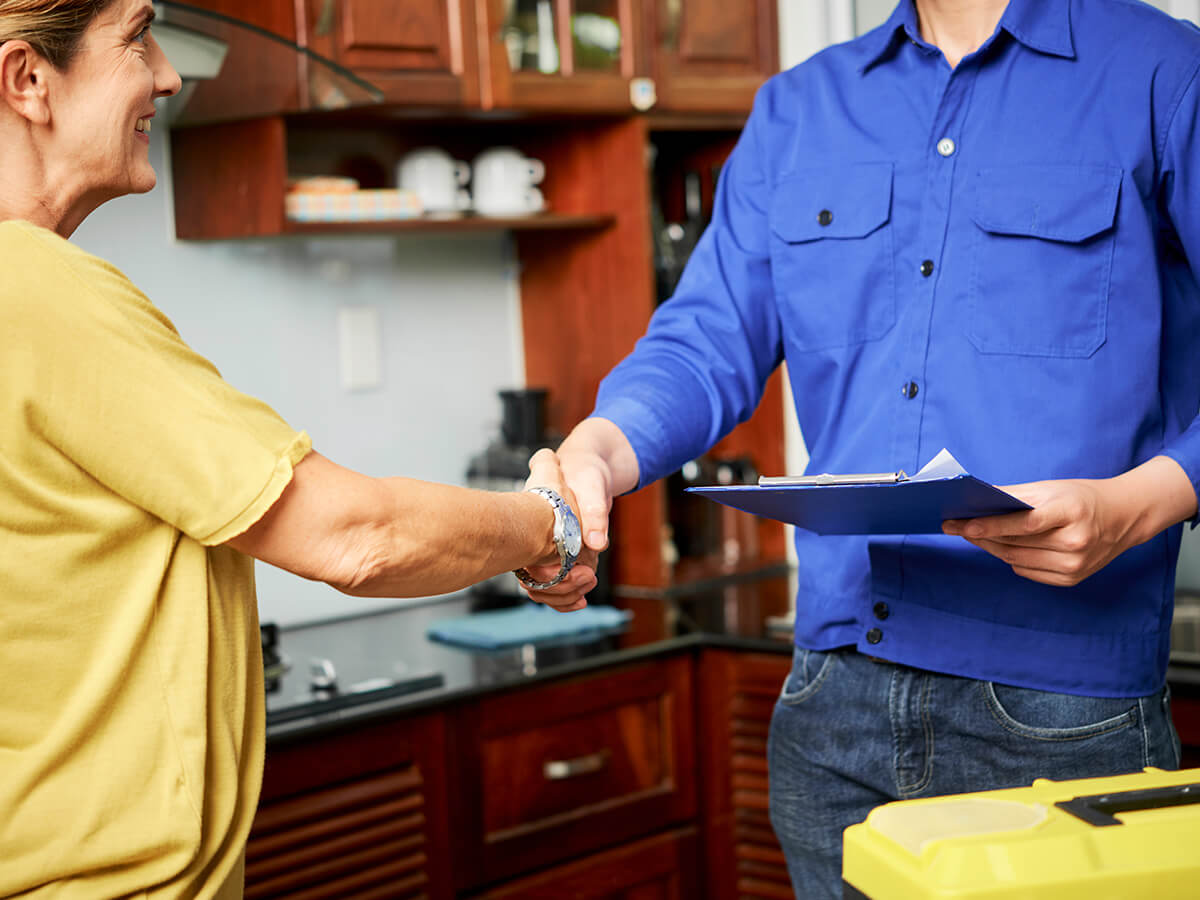
Sometimes the source of high costs is not visible in your bathroom or kitchen. These obscure water leak sources often hide behind walls or beneath the floorboards. Experts suggest that a thorough inspection must go beyond the obvious fixtures to find the true source of waste.
- Underground Service Line Breaks
The pipe connecting the municipal main to your home can crack due to tree roots or age. This external pipe failure results in water soaking into the ground rather than entering your home. If you notice damp patches on your lawn, call a professional immediately.
- Humidifier Solenoid Valves
Furnace-mounted humidifiers can have valves that fail to close properly. This sends a steady stream of water into the floor drain throughout the heating season. Inspecting these HVAC-related water issues during autumn maintenance prevents surprises during the colder months of the year.
- Leaking Water Heater Tanks
Internal corrosion in a hot water tank can cause slow seeps from the base. These water heater defects often go unnoticed if the tank is in a basement utility room. Keeping the area clear allows you to spot moisture before it becomes a flood.
- Crawl Space Pipe Pinhole Leaks
Copper pipes can develop tiny holes due to chemical reactions or high pressure. These slow plumbing drips in unheated spaces lead to mould growth and high bills. Periodically checking your crawl space with a flashlight can save you from expensive structural repairs later.
- Pool and Hot Tub Evaporation
Automatic refill valves on pools can hide a leak by topping up the water level constantly. This continuous pool filling is a major contributor to high summer bills. Using a cover reduces evaporation and alerts you if the water level drops too fast.
- Reverse Osmosis System Waste
Some water filtration systems dump multiple litres of “reject” water for every litre of clean water produced. If the shut-off valve fails, the filtration system drainage runs non-stop. Regular filter changes and valve inspections keep these units working efficiently and affordably.
How to Find the Leak
Locating a leak does not always require expensive tools. By using your water meter as a diagnostic device, you can confirm if water is escaping somewhere in the system. Following these leak detection steps allows you to identify problems before calling a licensed technician for repairs.
- The Meter Test Method
Turn off all taps and appliances in the house. Watch the low-flow indicator on your water meter for at least twenty minutes. If the dial moves while no water is being used, you have a confirmed plumbing leak that requires your immediate attention.
- Food Colouring Toilet Test
Drop a few bits of food dye into the toilet tank and wait without flushing. If colour appears in the bowl after thirty minutes, the flapper is leaking. This simple DIY plumbing check is the fastest way to find the most common source of waste.
- Checking the Pressure Relief Valve
Look at the discharge pipe on your water heater. If it is wet or dripping, the valve may be faulty or the pressure is too high. This water heater safety check prevents both wasted resources and potential tank failure in the future.
- Inspecting Walls and Ceilings
Look for discoloured paint, bubbling wallpaper, or musty smells in your home. These are clear signs of hidden wall leaks that often stem from supply lines. Early detection prevents structural rot and expensive restoration costs while lowering your monthly utility expenses.
- Monitoring External Hose Bibs
Check outdoor taps for drips, especially after the first winter thaw. Frozen pipes often crack just behind the exterior wall. These outdoor tap leaks can waste massive amounts of water into your foundation if they are not replaced by a qualified plumber.
- Evaluating Water Pressure
High pressure can cause “silent” leaks by forcing water past seals. Use a pressure gauge to ensure your home is below 60 psi. Installing a pressure reducing valve protects your appliances and significantly reduces the volume of water used during normal daily tasks.
Practical Ways to Lower Your Monthly Bill
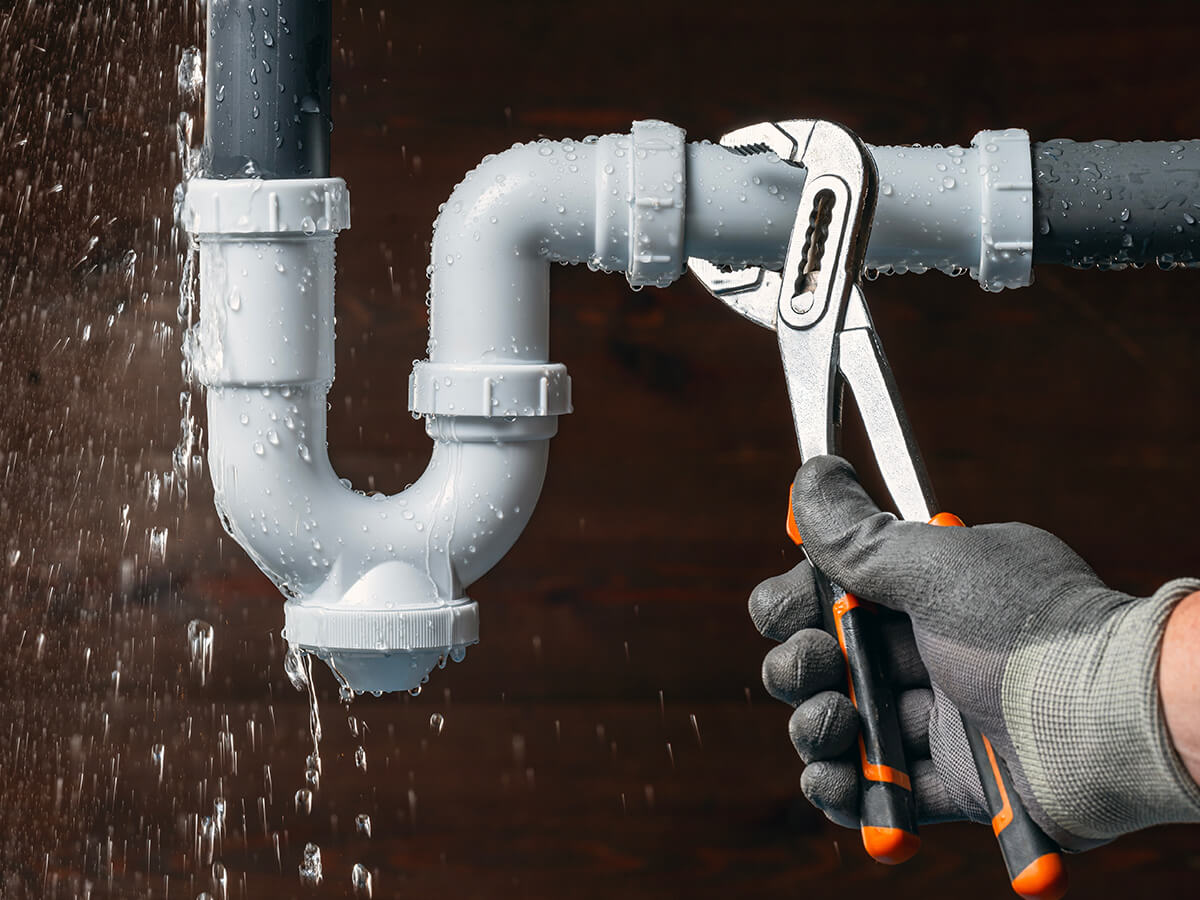
Conservation is the most effective way to manage your long-term utility costs. By changing how you interact with your plumbing, you can see a noticeable drop in charges. Canadian authorities recommend several water conservation strategies that are easy to implement without sacrificing comfort or hygiene.
- Install Low-Flow Fixtures
Modern aerators and showerheads use air to maintain pressure while using less liquid. Swapping out old fixtures for water-efficient hardware can reduce your bathroom usage by 30%. It is one of the most cost-effective upgrades available to the modern Canadian homeowner today.
- Optimize Outdoor Watering
Water your lawn in the early morning to minimize evaporation from the sun. Using rain barrels to collect roof runoff provides a free water source for your garden. This reduces the load on the municipal system and keeps your bill low during the summer.
- Full Loads Only Policy
Only run your dishwasher and washing machine when they are completely full. This habit ensures you get the most out of every litre used. Reducing the number of cycles per week is a proven water saving habit that extends the life of appliances.
- Upgrade to Dual-Flush Toilets
These units allow you to choose a lower volume flush for liquid waste. Since toilets account for nearly a third of indoor usage, dual-flush technology offers immediate savings. Many municipalities even offer rebates for homeowners who make this specific high-efficiency switch.
- Fix Leaks Immediately
Procrastination is the biggest enemy of a low utility bill. A small drip today becomes a major burst tomorrow. Addressing minor plumbing repairs as soon as they are spotted prevents the compounding costs of water waste and potential property damage over time.
- Smart Water Monitoring Systems
Install a device that tracks your usage in real-time via a smartphone app. These smart home water sensors can shut off your main valve automatically if a leak is detected. This technology provides peace of mind and prevents catastrophic bills from hidden pipe failures.
Managing your household budget requires a keen eye for fluctuating utility costs. While some increases are due to seasonal habits, a major spike is a signal that your plumbing system needs attention. By performing regular checks on your toilets, appliances, and service lines, you protect your home from damage and keep your monthly water expenses under control. Taking proactive steps today ensures that your resources are used wisely and your bill remains predictable throughout the year.
If you cannot find the source of your high bill or need a professional to secure your home’s plumbing, expert help is available. For reliable service and deep inspections, contact Plumbing Authority at (647) 992-7473. Our team specializes in finding the hidden issues that cause financial strain and providing lasting solutions for your residence.