
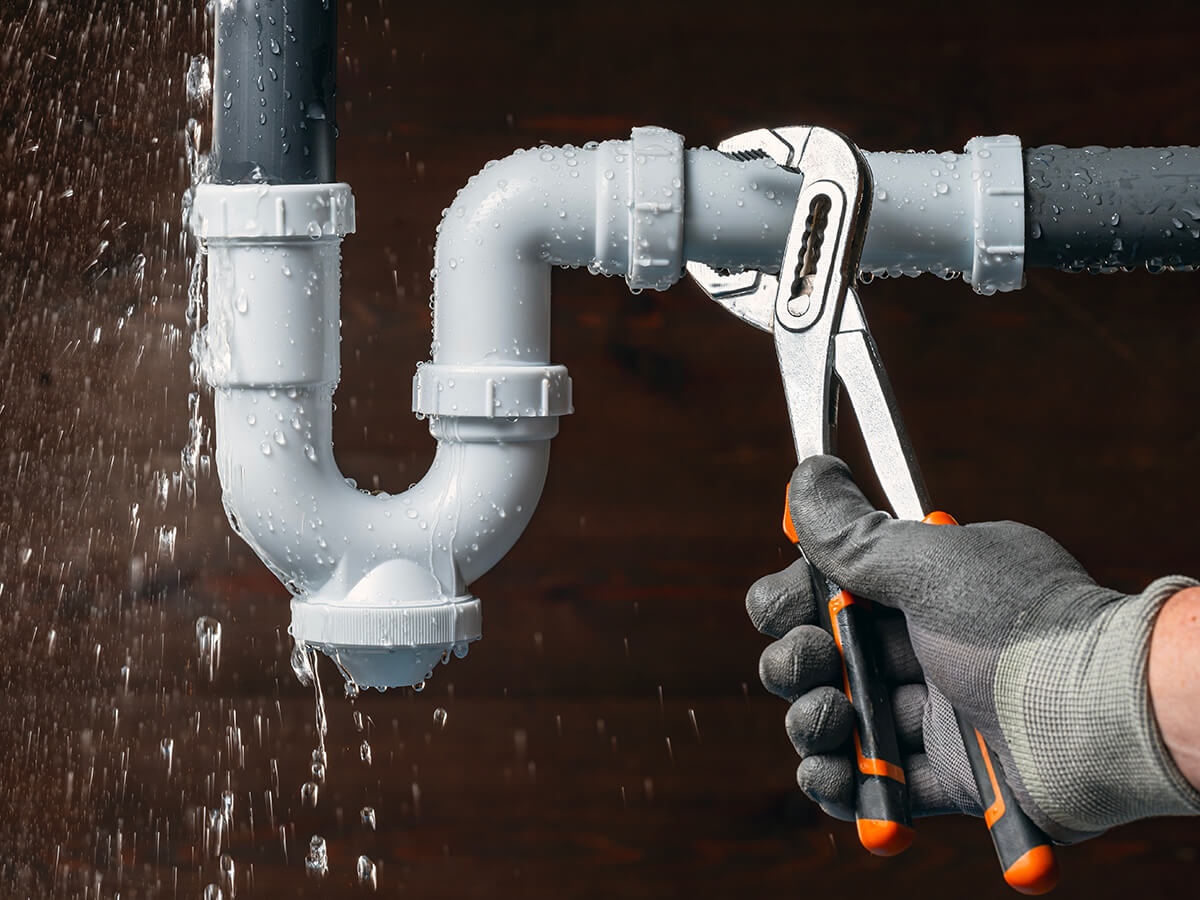
Foul odours, slow drainage, or complete backups are unpleasant winter rituals for Canadian homeowners. Clogs are not solely due to increased indoor activity; winter fundamentally alters the physics and chemistry of drain lines, turning minor debris into stubborn blockages.
Your drain system, designed for warmer temperatures, cannot cope with the extreme thermal shock and material changes of cold months. Proactive maintenance requires understanding three factors: thermal changes, material viscosity, and external pressure.
How Do Cold Temperatures Change Drain Physics?
In warmer months, wastewater (even when moving slowly) retains enough thermal energy to keep materials fluid and mobile. Once the temperature inside the pipe wall drops significantly, several critical issues arise:
A. Thermal Contraction and Water Adhesion
Cold temperatures contract pipe materials, making existing residue and grease denser and more rigid. Crucially, cold water adheres more strongly to cold surfaces, significantly slowing wastewater flow. This slower speed maximizes the chance for materials to stick and accumulate rather than being flushed completely away.
B. Grease Solidification
This is the most common cause of backups, affecting both kitchen and bathroom drains. Soap scum and conditioners contain fats that are liquid at room temperature. As this liquid hits a cold pipe section (e.g., in a basement or exterior wall), the fats solidify rapidly; a viscosity change. This liquid film quickly cools into a wax-like, adhesive lining that instantly traps hair and particles. Over time, this buildup forms a dense, rock-hard restriction difficult to clear with chemicals.
C. The Ice Blockage Threat
While burst pipes involve supply lines, standing water in a P-trap or slow drain is highly susceptible to freezing. As water turns to ice, it expands its volume by about 9%. This expansion acts as a complete blockage, backing up wastewater until an overflow occurs. For rarely used drains (e.g., in a basement sink), ice formation can happen within hours during a severe cold snap.
What Role Does Exterior Pressure Play?
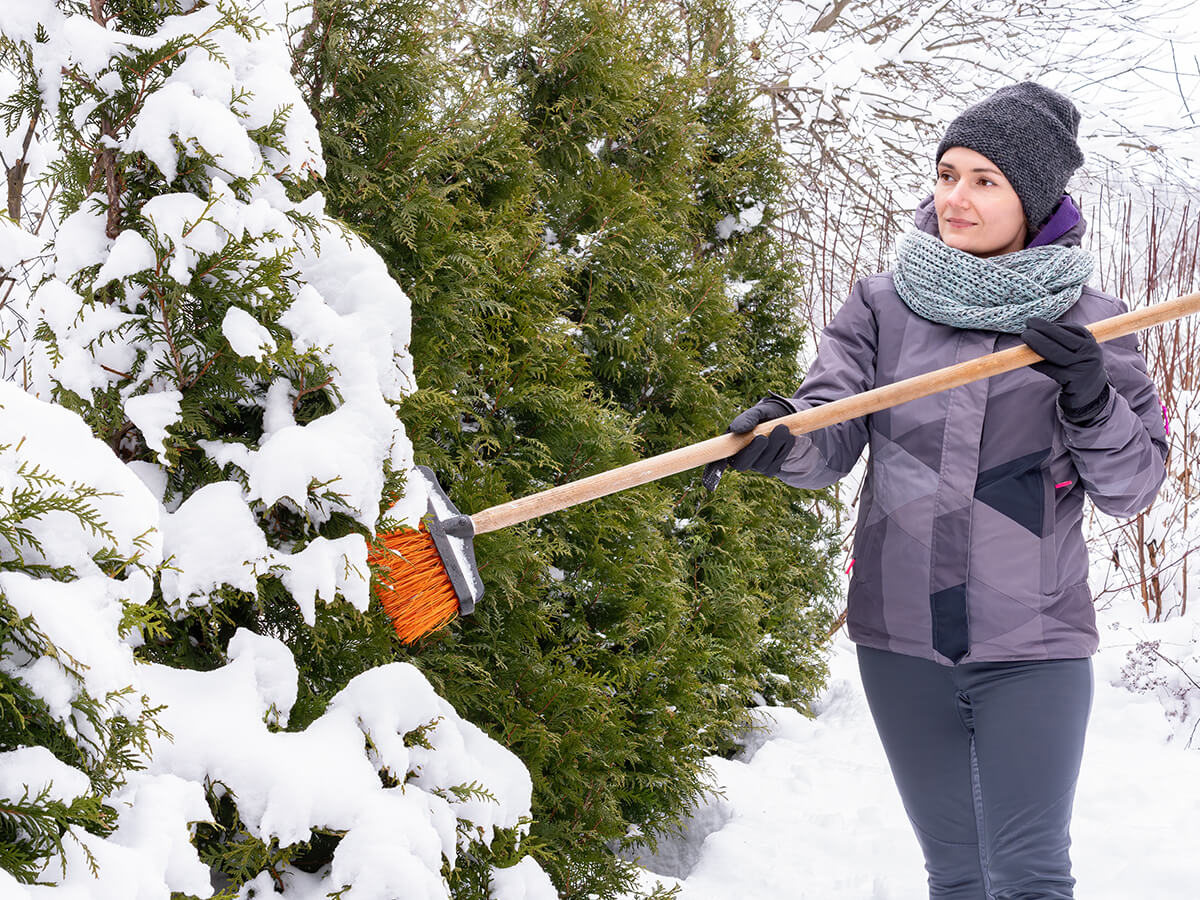
External elements (namely, snow, ice, and frozen ground) add unexpected pressure to the entire drainage system.
A. Sewer Line Pressure
The sheer weight of frozen ground, heavy snowpack, and ice can exert immense pressure on the main sewer line running from your house to the street. If the ground freezes and shifts, it can slightly move or compress the sewer pipe, causing small dips or bellies to form. These changes in gradient cause the wastewater velocity to slow significantly, encouraging solid waste from the entire house to settle and coagulate at the low point.
B. Vent Stacks and Airflow Issues
The vent stack on your roof ensures proper drainage airflow. In winter, snow or hoarfrost can clog this pipe, creating negative pressure that causes drains to gurgle and slow. Slow drainage exposes wastewater to cold pipes longer, accelerating grease solidification and adhesion.
This external issue severely impacts efficiency: According to a study, blockage in drainage systems negatively impacts the efficiency of the system, leading to disruption of daily life and increased maintenance costs (Fathy et al., 2020). Reduced efficiency from any clog stresses your home’s system, leading to expensive interventions.
How Can Homeowners Minimize Winter Clogs?
Managing winter clogs requires moving beyond simple plunger attempts and focusing on thermal control and biological maintenance.
A. Insulate Vulnerable Sections
Identify accessible drainpipes along cold exterior walls, through unheated crawl spaces, or inside north-facing vanity cabinets. Applying insulating foam sleeves is essential. A simple sleeve increases the pipe’s thermal buffer against cold air, maintaining a higher internal pipe temperature, and reducing the viscosity change of wastewater.
B. Control Viscosity with Regular Flushing
To combat the solidification of fats, make a habit of flushing hot water down problem drains after heavy use. Even better: use boiling water occasionally. The goal is to raise the temperature of the pipe interior momentarily, liquefying any thin film of grease and soap scum before it has a chance to harden and bond to the pipe wall.
C. Switch to Enzyme Cleaners
Avoid caustic chemical drain products. Their extreme exothermic (heat-releasing) reaction can be aggressive and, if used on already cold or brittle pipes, risks cracking the material due to thermal shock.
Conduct monthly treatments using biological or enzymatic cleaners instead. These cleaners use natural bacteria to consume organic blockages (hair, soap, fats) safely and gradually, reducing the material buildup that leads to winter-specific clogs without the risk of thermal damage.
D. Manage Cabinet Airflow
During severe cold snaps, leave the cabinet doors beneath sinks and tubs open. This allows warm air from the heated room to circulate around the plumbing fixtures, raising the surface temperature of the pipes and P-traps high enough to prevent condensation or freezing.
Why Professional Expertise is Still the Best
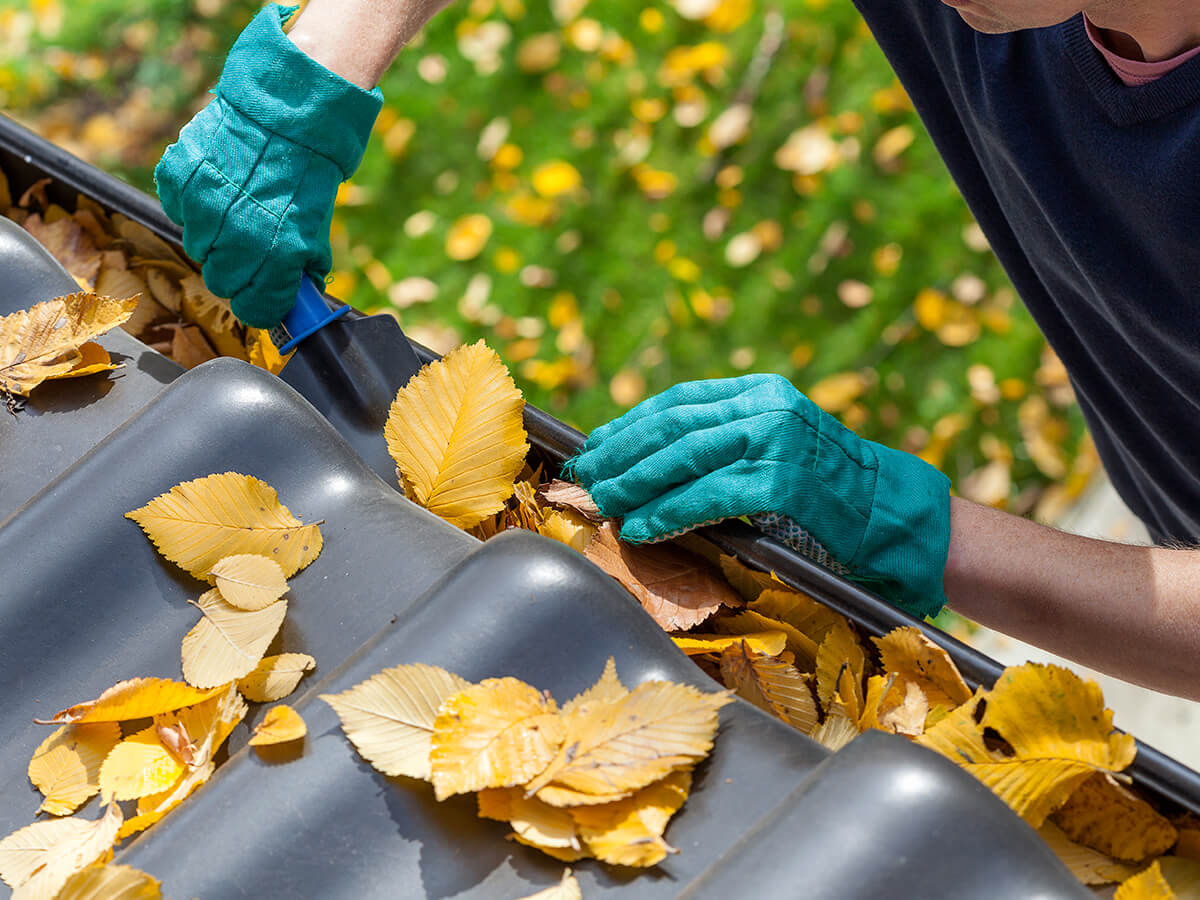
While diligent maintenance can prevent 90% of winter clogs, certain issues cannot be fixed with access panel adjustments or boiling water. When the clog is deep, recurring, or involves structural issues, relying on qualified professional help is the only long-term solution.
- Identifying Deep-Set Clogs: A professional plumber possesses powerful augers and specialized equipment capable of clearing hard, compacted grease clogs or foreign objects that have settled deep within the main stack. They can safely negotiate the bends and joints of the system without risking pipe damage.
- Diagnosing Pipe Grading: If wastewater repeatedly pools in a cold spot, the system may have been installed with an incorrect gradient or has suffered damage from ground shifting. Correcting the pipe slope requires technical knowledge and specialized tools to ensure the wastewater runs at the required velocity to clear solids.
- Code and Routing Solutions: If you live in an older home or one built with poor planning, a pipe might run directly through an improperly insulated area. Correcting this requires professional knowledge of building codes, proper venting requirements, and specialized routing techniques. Finding a skilled plumber in New Tecumseth or your local area ensures that any permanent solution, such as re-routing a line to an interior wall, is done safely and legally.
Action Ensures Winter Security Now!
Do not allow the frigid climate to compromise your home’s essential plumbing. Proactive maintenance against cold-related viscosity changes and airflow issues is the key to maintaining a functional home throughout the deep freeze. Taking swift action protects your property’s integrity and guarantees a functional system all season long.
If you are currently experiencing persistent slow drainage or suspect a deep-set clog that requires more than routine maintenance, it is time to call in the experts.
For reliable drain repair in New Tecumseth and guaranteed service, contact us today. We are ready to help you secure your home against the worst the Canadian winter can offer. Call Plumbing Authority at (647) 992-7473.