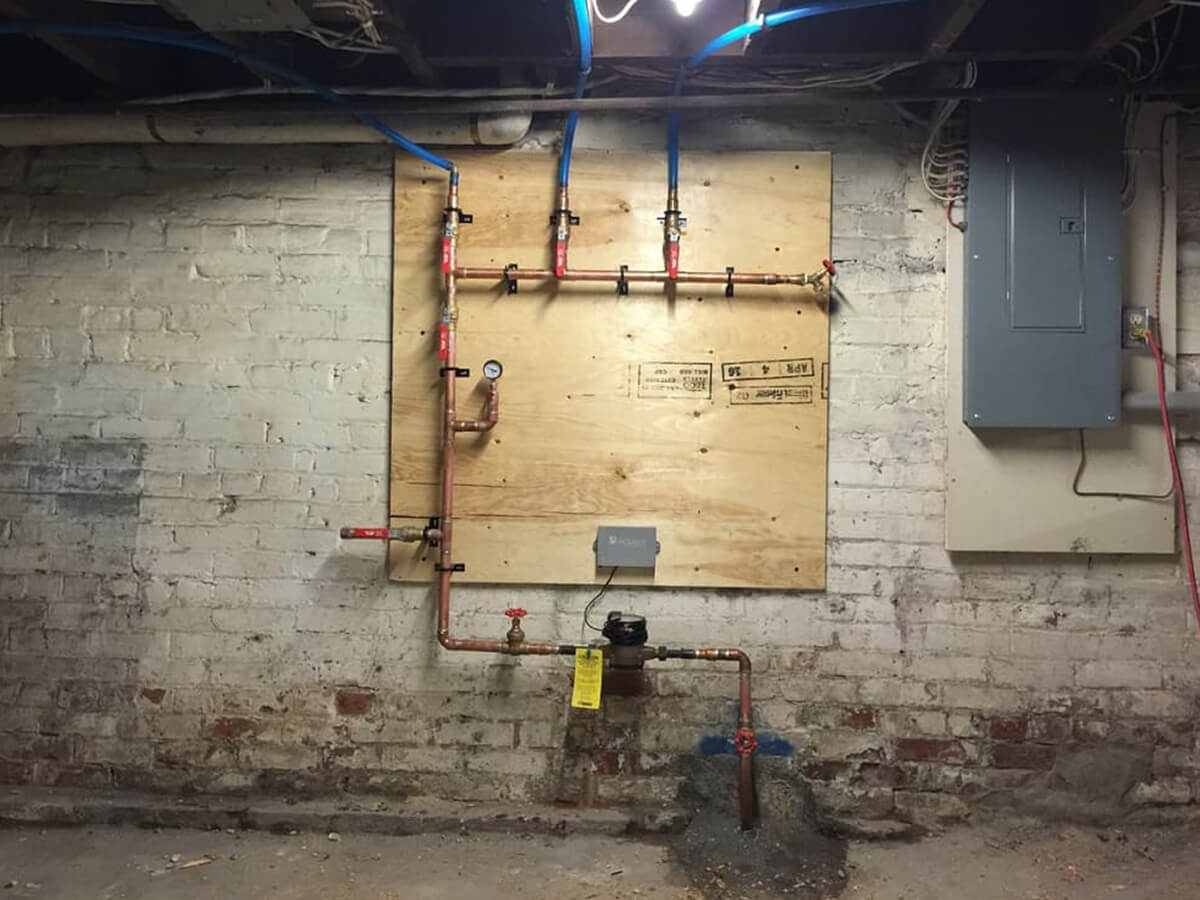
In many households, a water filter system is an indispensable appliance, providing cleaner, safer, and better-tasting drinking water. These systems play a crucial role in removing impurities, contaminants, and unpleasant odours, contributing significantly to your family’s health and daily comfort.
However, like any appliance, water filters can encounter issues. From a frustratingly slow flow to an unexpected metallic tang in your glass, these problems can leave you wondering if your filter is even working. The good news is that many common water filter issues can be easily diagnosed and resolved with a few simple steps. This comprehensive guide is designed to empower you with the knowledge to identify these common problems, attempt effective fixes, and, crucially, understand when it’s time to put down the wrench and call in a professional.
Common Water Filter Issues and DIY Solutions
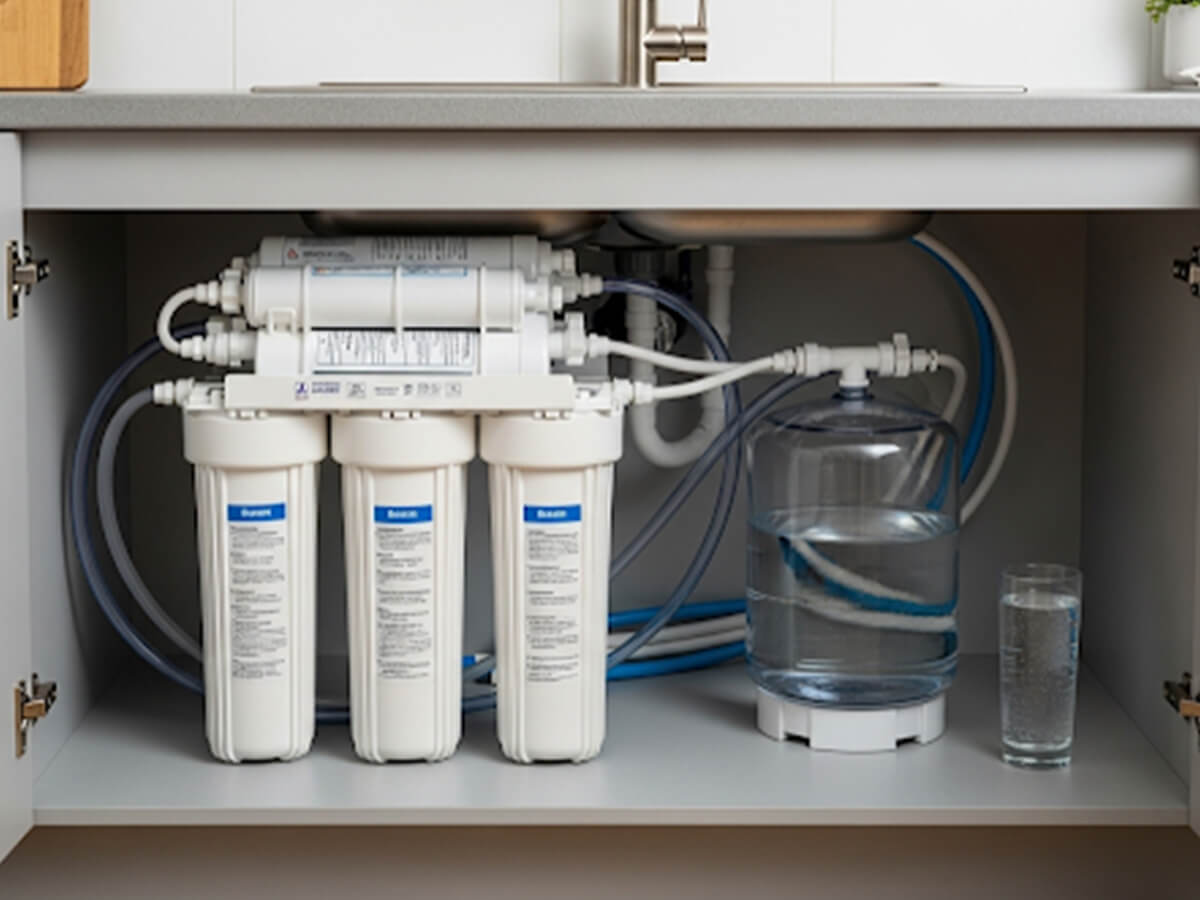
Water filters can experience various problems. Many of these issues are solvable with simple tools and a bit of know-how. This section covers common filter troubles and provides practical solutions.
- Reduced Water Flow
-
- Symptoms: Water trickles slowly from the tap or dispenser. Appliances connected to the filter fill at a reduced rate. This indicates a restriction in the water line or the filter itself.
- Possible Causes: A clogged filter cartridge is often the culprit. Sediment, rust, or other particles can accumulate, blocking water passage. Kinked supply lines or a malfunctioning shut-off valve can also restrict flow.
- Fixes and Solutions: Replace the filter cartridge if it is past its recommended service life. Check all connecting hoses for bends or kinks and straighten them. Ensure the filter’s shut-off valve is fully open.
- Bad Taste or Odour
-
- Symptoms: The water tastes or smells unpleasant, perhaps metallic, chlorinated, or earthy. This suggests the filter is no longer effectively removing impurities that affect water quality.
- Possible Causes: The filter cartridge is exhausted and can no longer absorb contaminants. Some carbon filters release trapped odours when saturated. External factors like plumbing issues can also introduce tastes or smells.
- Fixes and Solutions: Immediately replace the water filter cartridge. Flush the system thoroughly after replacement to remove any residual air or loose carbon particles. Consider a different filter type if issues persist.
- Leaks Around the Filter Housing
-
- Symptoms: Water drips or pools around the filter unit or its connections. This can lead to water damage if not addressed quickly. Even small leaks should be fixed promptly.
- Possible Causes: Loose connections, cracked filter housings, or worn O-rings are common causes. Over-tightening connections can also damage threads, leading to leaks. Incorrect cartridge seating can also cause drips.
- Fixes and Solutions: Tighten all connections carefully, but do not over-tighten. Inspect O-rings for wear or damage and replace them if needed. Ensure the filter cartridge is correctly seated within the housing.
- Air in the Water Line
-
- Symptoms: Water sputters from the tap, accompanied by air bubbles. This can be annoying and reduce the effectiveness of the water flow. It often happens after filter changes or system maintenance.
- Possible Causes: Air becomes trapped in the filter system after a cartridge replacement or when the water supply is briefly turned off. It needs to be purged from the lines for smooth operation.
- Fixes and Solutions: Run water through the tap for several minutes to allow the trapped air to escape. This process might take longer for larger systems. Repeat flushing until the water runs smoothly.
- No Water Flow
-
- Symptoms: Absolutely no water comes out of the filter tap or dispenser. This is a more severe problem than reduced flow, indicating a complete blockage or system failure.
- Possible Causes: A completely clogged filter, a fully closed shut-off valve, or a significant issue with the main water supply can stop flow. Sometimes, debris can entirely block a line.
- Fixes and Solutions: Check that the main water supply to the house and the filter’s shut-off valve are fully open. Inspect the filter cartridge for severe clogging and replace it if necessary.
- Loud Noises from the Filter
-
- Symptoms: The filter unit makes gurgling, banging, or humming sounds when water flows through it. These noises can be disruptive and indicate a problem within the system.
- Possible Causes: Air trapped within the filter housing or lines can cause gurgling. Water hammer, due to sudden pressure changes, can cause banging. A faulty pressure regulator might hum.
- Fixes and Solutions: Flush the system to remove trapped air. If water hammer is suspected, consider installing a water hammer arrestor. Consult a professional for persistent or unusual noises.
- Filter Light Stays On/Off Incorrectly
-
- Symptoms: The indicator light for filter replacement does not reset after a new filter is installed or remains off when it should be on. This can lead to confusion about filter life.
- Possible Causes: The reset button was not pressed correctly or is malfunctioning. The sensor detecting the filter’s status might be faulty. Some filters have timers that need manual resetting.
- Fixes and Solutions: Refer to your filter’s manual for the correct reset procedure. Ensure you press and hold the reset button for the specified duration. If the issue persists, the sensor might need replacement.
When to Call a Professional
While many issues are DIY-friendly, some problems warrant the expertise of a professional plumber or water filtration specialist. Knowing when to call can save you time, money, and potential water damage.
- Persistent Issues: If you’ve diligently followed the DIY troubleshooting steps, replaced filters, checked connections, and the problem (slow flow, bad taste, leaks) still persists, it’s time to call in the pros. There might be an underlying issue you can’t identify.
- Complex Installations/Repairs:
- Whole-house systems: These are integrated into your home’s main plumbing. Any major repairs or replacements can be complex and should ideally be handled by someone experienced with such installations.
- Reverse osmosis systems with multiple stages and tanks: RO systems are intricate. While filter changes are easy, issues with the membrane, pressure tank, or auto-shutoff valve often require specialized knowledge.
- If you’re unsure about the system’s plumbing or electrical connections: Any water system involving electrical components (like UV filters or pumps) or complex plumbing should be handled by a licensed professional to avoid safety hazards or further damage.
- Suspected Major Damage:
- Significant leaks that won’t stop: A leak that you can’t contain or one that’s causing rapid pooling of water indicates a serious problem that needs immediate professional attention to prevent extensive water damage.
- Visible cracks in main system components that could cause major water damage: If you spot a crack in the main filter housing, manifold, or pressure tank, do not attempt a makeshift repair. These components are under pressure and require professional replacement.
- Water Quality Concerns: If, even after replacing your filter according to schedule, you still have concerns about your water quality (e.g., persistent odd taste/smell, or you suspect specific contaminants like lead, bacteria, or nitrates are present), it’s highly recommended to get professional water testing. A professional can analyze your water and recommend a filtration solution tailored to your specific needs.
- Warranty Issues: If your water filter system is still under warranty and experiencing problems, attempting complex DIY repairs might void the warranty. Contact the manufacturer or the original installer for service under warranty.
- Lack of Confidence/Time: If you simply don’t feel comfortable performing the maintenance or repairs yourself, or if you lack the time to properly diagnose and fix the issue, don’t hesitate to call a professional. Your peace of mind and the integrity of your home are worth it.
Preventative Maintenance Tips
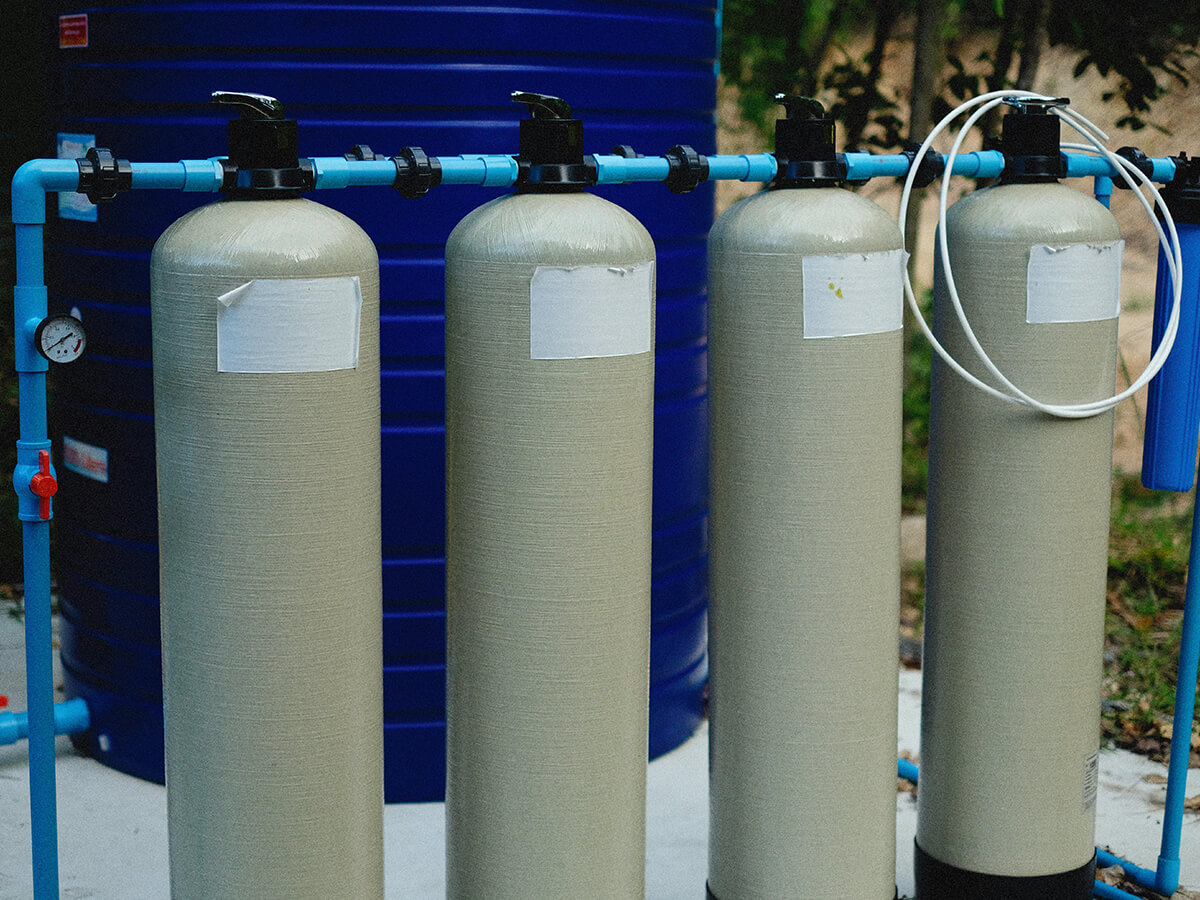
Regular maintenance prolongs your water filter’s life and ensures it works effectively. Small, consistent efforts can prevent major problems down the line. This section provides tips for keeping your filter in top condition.
- Regular Cartridge Replacement
Ensure you change your filter cartridges according to the manufacturer’s schedule. This is usually every 3-6 months for activated carbon filters and longer for other types. Timely replacement prevents clogs and maintains water quality. Ignoring this leads to reduced effectiveness and potential system strain.
- Periodic System Flushing
Flush your filter system periodically, especially after cartridge replacement or if water flow seems slower. Running water through the system for several minutes helps remove trapped air and loose carbon fines. This also clears out any accumulated sediment that might not be captured by the filter.
- Inspect for Leaks
Routinely check around the filter housing, connections, and supply lines for any signs of moisture or drips. Even small leaks can escalate into significant problems if left unaddressed. Early detection allows for quick, simple fixes before major damage occurs.
- Clean the Filter Housing
When replacing the cartridge, take the opportunity to clean the inside of the filter housing. Use a mild soap and water solution, then rinse thoroughly. This prevents mould or bacterial growth and keeps the system hygienic. Ensure no residue remains before reassembling.
- Check Water Pressure
Monitor your home’s water pressure periodically. Significant drops can indicate a filter nearing the end of its life or a larger plumbing issue. Consistent pressure ensures the filter operates within its intended parameters, extending its lifespan.
- Keep Manufacturer’s Manual Handy
Retain the owner’s manual for your specific water filter model. It contains essential information on maintenance schedules, troubleshooting steps, and proper parts for replacement. This resource is invaluable for routine care and addressing minor issues.
- Avoid Harsh Cleaners
When cleaning around the filter, avoid using abrasive or harsh chemical cleaners. These can damage the filter housing or seals, leading to leaks or system failure. Stick to mild soap and water for exterior cleaning.
Maintaining a water filter ensures clean, great-tasting water for your household. Many common issues are simple to fix with basic tools and a bit of effort. Regular maintenance helps prevent problems, extending your filter’s life.
Sometimes, issues go beyond simple DIY solutions. Persistent leaks, significant pressure drops, or complex electrical problems demand professional attention. For reliable, expert water and filtration system services, contact Plumbing Authority at (647) 992-7473. Let us help you resolve complex issues and ensure your water filtration system operates perfectly.