
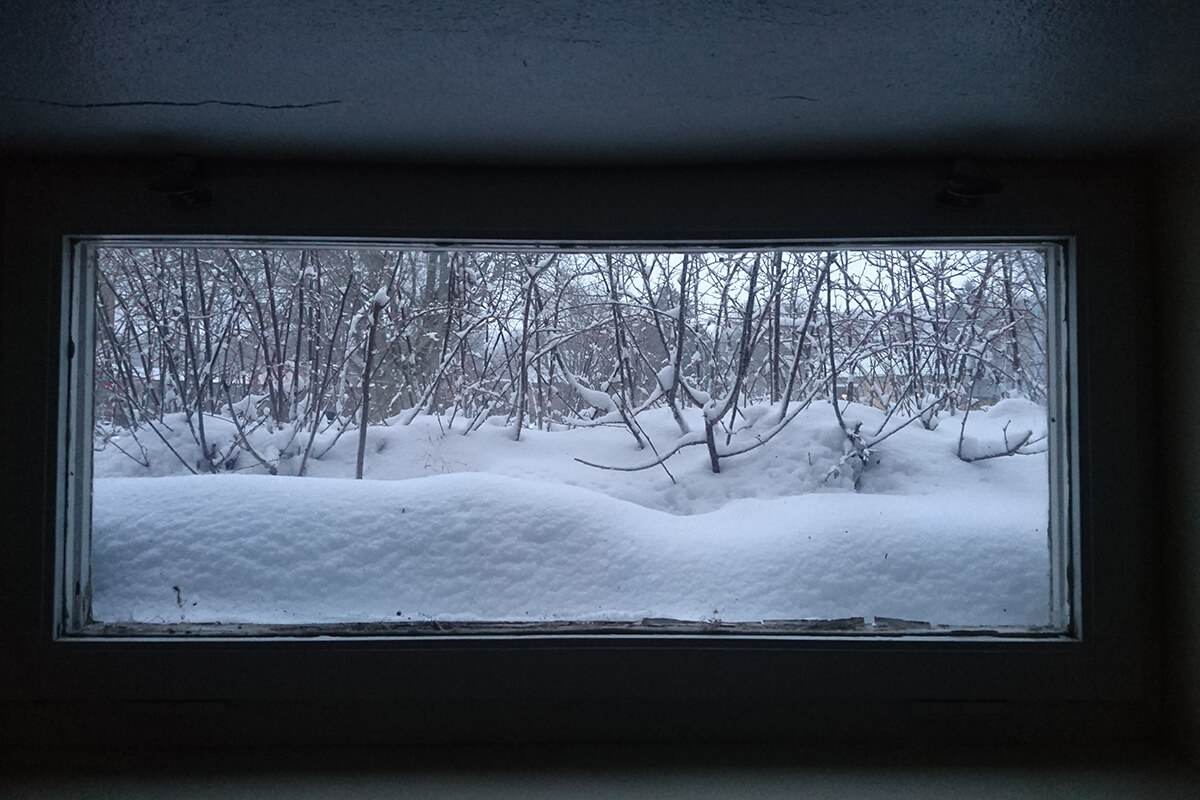
The first warm days of spring are a profound relief, marking the end of the long, cold season, but they bring a hidden danger—the rapid melt. This period of temperature change presents one of the most significant annual threats to residential structures, specifically to foundations and basements. Canadian home maintenance must account for this transition. The sheer volume of water released quickly can overwhelm ordinary drainage systems.
During the deep freeze, the ground around a home’s foundation becomes frozen solid. This frozen soil cannot absorb water from melting snow and ice. Instead, the meltwater pools on the surface and is inevitably directed towards the path of least resistance: your house foundation. The stakes are immense. Basement flooding is not merely an inconvenience; it represents thousands of dollars in structural and cosmetic repairs, the loss of irreplaceable personal possessions, and the insidious onset of long-term mould and mildew issues, which pose health risks. Luckily, a few hours of proactive, informed home maintenance can save a homeowner from an absolute disaster.
10 Steps Homeowners Must Take to Prevent Basement Flooding
- Clear and Extend Downspouts
The management of storm runoff relies on eavestrough and downspout systems, which can be obstructed by debris and ice in winter. Blocked downspouts may cause water to flow against the foundation wall. Homeowners should clear the system and use downspout extensions that direct water at least six feet away from the house to prevent soil saturation, as advised by the Insurance Bureau of Canada. It’s important that these extensions are securely attached and function correctly to prevent water from entering window wells.
- Ensure Positive Soil Grading
Positive grading entails ensuring that the ground around the house slopes away from the foundation to prevent water pooling, which can occur due to soil settling after utility work or heavy rain. Homeowners should check that the soil drops by at least six inches over the first ten feet (15 cm over 3 metres) from the wall, directing surface water away from the structure. To maintain proper grading, it may be necessary to add dense, compacted soil or clay, a crucial maintenance step that helps prevent water infiltration into basement walls.
- Inspect Foundation Walls and Seal Cracks
The freeze-thaw cycle in winter can severely damage concrete by expanding small cracks, which allow water to enter once thawing occurs. A visual inspection of foundation walls for any type of cracks is essential, as even minor ones need immediate attention. Sealing these cracks with hydraulic cement or polyurethane injection prevents water intrusion, crucial for basement waterproofing. Neglecting small cracks can lead to significant leakage when surrounding soil becomes saturated.
- Clean and Monitor Window Wells
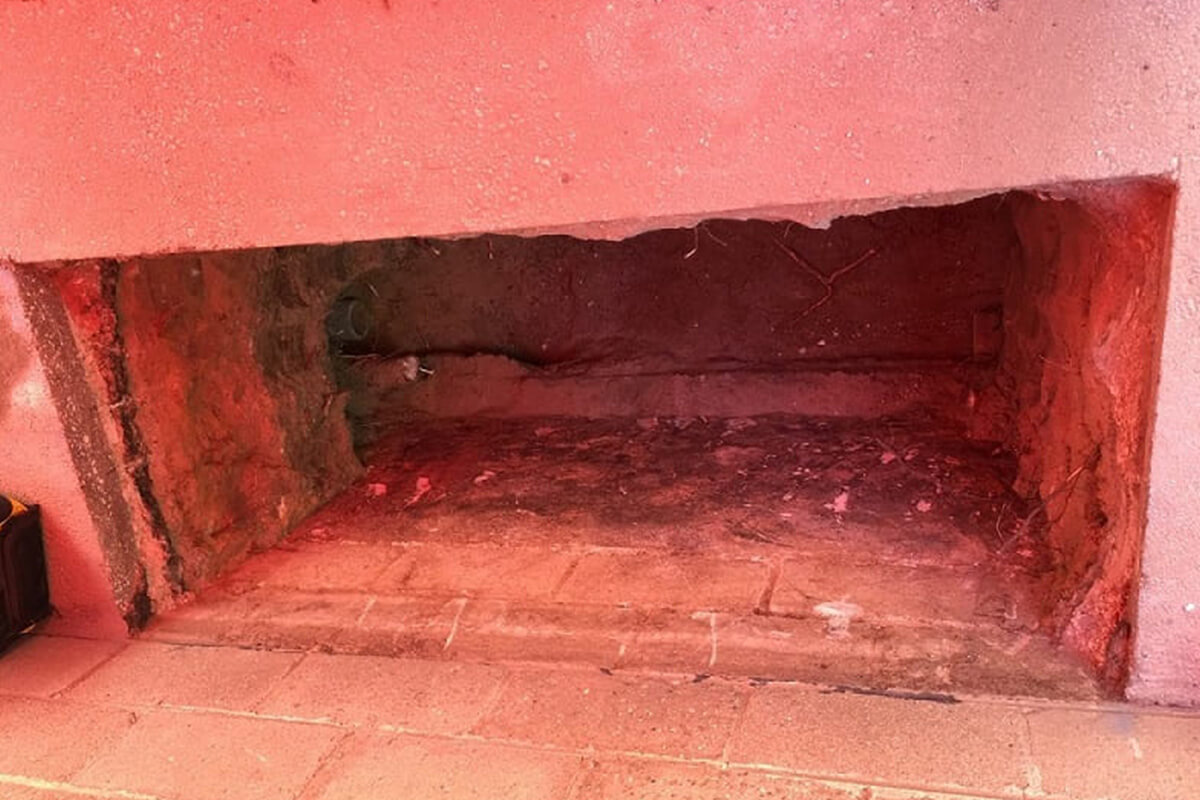
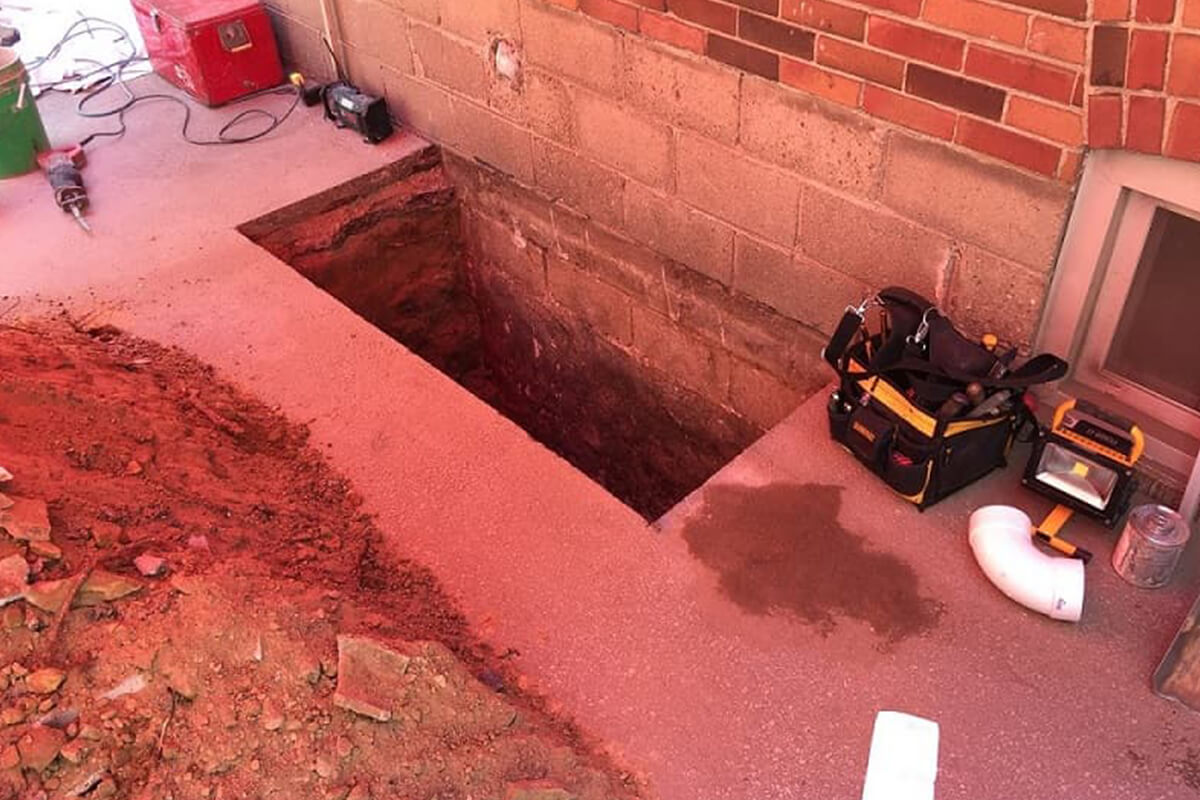
Basement window wells can accumulate water if they are clogged or poorly graded, acting like small bathtubs. Homeowners should regularly clean these wells and ensure the base drain is clear. If water pooling persists, installing transparent window well covers can prevent snow and rain from entering, effectively reducing basement dampness. A blocked drain may cause water overflow into the basement, risking damage.
- Assess and Clear Sump Pump Discharge
For homes with a sump pump, ensuring its effective operation is crucial. The discharge pipe, responsible for removing water from the sump pit, must remain clear of ice and debris; it is prone to becoming completely frozen during thaw periods. Homeowners need to check that the sump pump activates correctly and that the discharge pipe extends at least six feet beyond the house’s foundation, directing water onto a slope away from the structure. If the discharge pipe freezes, it leads to the sump pit overflowing and potential water backup into the basement, highlighting the importance of regular sump pump maintenance.
- Remove Snow and Ice from the Foundation Perimeter
A direct and immediate action during a rapid thaw involves manually removing large accumulations of snow and ice near the foundation. This creates a buffer zone that minimizes ground saturation. Shovelling or chipping heavy snowbanks and directing them toward the yard’s positive slope, away from the walls, significantly reduces concentrated meltwater soaking the backfill area. Homeowners should prioritize the sunniest side of the house, as thawing occurs there most quickly. This straightforward effort aids in controlling the water saturation rate near the building structure.
- Inspect and Clear Catch Basins and Municipal Drains
In urban settings, homeowners have the duty to maintain the municipal catch basins or storm drains adjacent to their properties by keeping them clear of obstructions such as snow, ice, or road debris. Blocked drains inhibit the effective handling of surface runoff during significant thaws, leading to street flooding that can overflow curbs and accumulate near homes. Homeowners are encouraged to use shovels to create a clear path for water to flow into the storm drain grate. This proactive measure aids in community flood control and protects individual homes from potential water damage caused by curb overflow.
- Verify Eavestrough Pitch and Integrity
The metal eavestroughs must be properly pitched towards the downspouts to avoid water pooling and spilling over, which can adversely affect the foundation perimeter. Homeowners are advised to check for visible sagging and ensure that all segments are securely fastened to the fascia board. Winter ice loads can lead to eavestroughs being detached from the house. It is crucial to repair or re-pitch the sections to facilitate the effective channelling of meltwater into the downspouts, which should be adequately extended to create a reliable exterior drainage system.
- Evaluate Trees and Shrubbery Near the Walls
Large trees and shrubs planted too close to a foundation can damage it by enlarging cracks and creating paths for water that overwhelm the weeping tile system. Homeowners should evaluate the distance of mature plants from the foundation, considering trimming large shrubs and monitoring soil conditions. Maintaining a buffer of non-porous soil near basement walls is crucial to limit water pathways.
- Test and Maintain Backwater Valves
A backwater valve is essential for preventing sewer backups into basements during high flow periods. Many Canadian municipalities require their installation or provide rebates, especially after flooding events. Homeowners should maintain these valves by keeping them accessible and free of debris to avoid destructive basement flooding caused by valve failure.
What to Do After the Melt
- Forensic Inspection for Water Stains
A detailed inspection of interior walls is essential after a melt and drying process. Signs of water ingress include chalky white residue (efflorescence) on concrete blocks, discoloured baseboards, and subtle water marks on drywall. These stains highlight points of penetration, which enables mapping of leak locations for effective exterior repairs, such as applying a waterproof membrane or fixing gaps in the weeping tile.
- Thorough Cleaning of the Sump Pit
Homeowners should clean out the sump pump pit after continuous melting to prevent sediment, gravel, and silt from blocking the pump motor or check valve. This maintenance ensures the float switch operates freely and prepares the pump for high-volume rainfalls following the spring melt season.
- Re-establishing Soil and Landscaping Cover
The thawing process causes ice and water movement that can erode the positive grading set before winter, potentially washing away soil from the foundation perimeter. This exposure necessitates the use of dense, compacted topsoil or clay to restore diminished slopes. Homeowners should also reposition any disturbed mulch or decorative stone to reduce direct water penetration into the soil layer adjacent to the walls.
- Checking the Health of Weeping Tile Drainage
If signs of water entry are present in the basement despite proper drainage, it may indicate a blockage or malfunction in the underground weeping tile system. Homeowners should contact a drainage expert for a camera inspection to identify issues accurately and prevent costly excavation for repairs.
- Vigilance During Spring Rain Events
The thaw threat transitions into the spring rain threat, with soil remaining saturated weeks after snowmelt, impairing water absorption. Home monitoring during heavy spring rains is essential. Homeowners should visually assess water flow across their property, ensuring that downspouts and soil grading are effectively diverting water away from structures. Any pooling observed indicates an urgent need for adjustments to prevent potential water damage.
The “Winter Thaw” presents an annual test of a homeowner’s preparedness and diligence. The measures required—clearing gutters, verifying grading, and checking sump pump function—are straightforward and affordable, yet their execution provides the definitive shield against the devastating financial and emotional cost of a flooded basement. Basement water management is a continuous commitment, not a one-time fix. By applying these ten essential, authoritative steps, homeowners can transition safely into the spring season, preserving their property’s value and structural integrity. A home protected against the thaw is a home secured for the future.
For complex drainage issues, foundation cracks, or professional backwater valve consultation, a licensed plumbing professional provides the necessary expertise. For immediate assistance and expert advice on addressing chronic water issues, contact Plumbing Authority at (647) 992-7473.