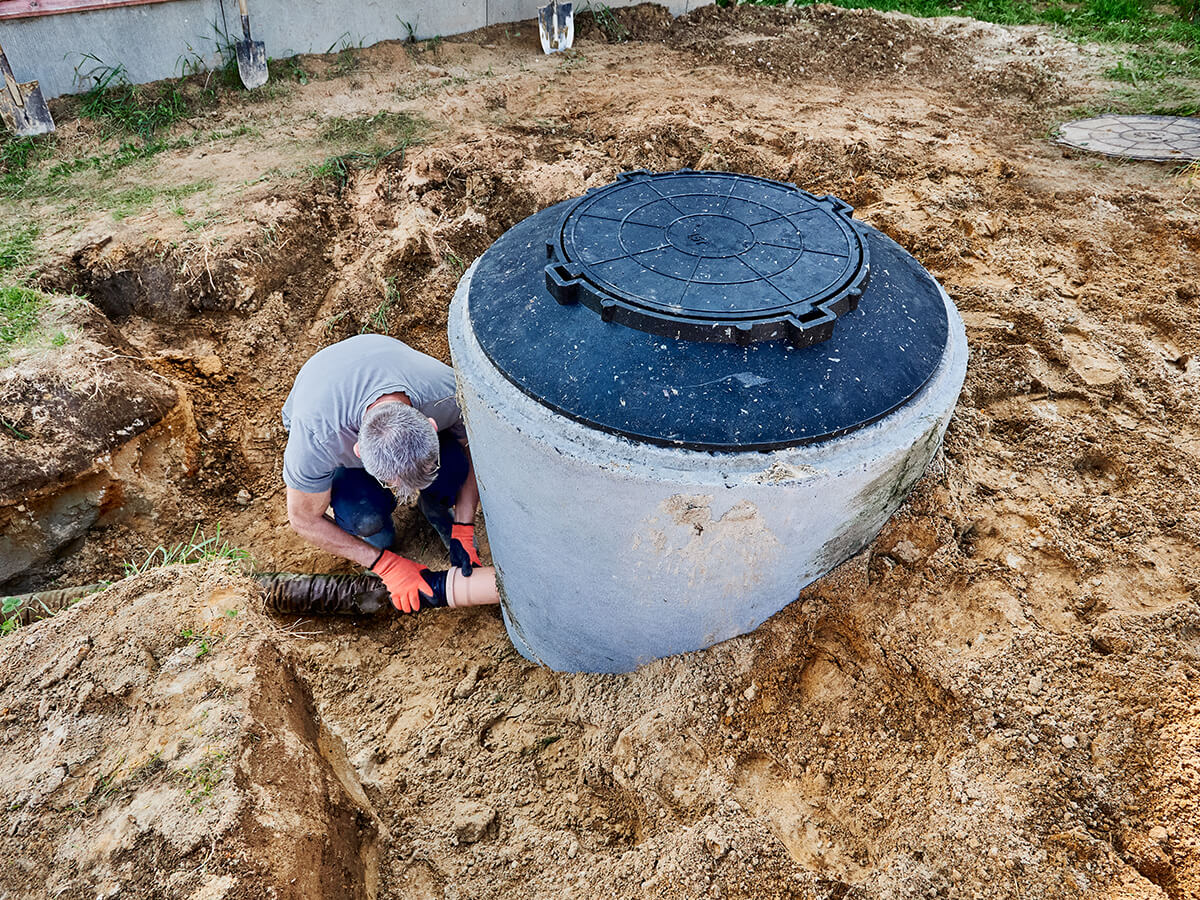
Septic systems have come a long way from the simple setups used decades ago. What was once a basic underground tank has now evolved into a reliable and efficient system designed to protect both your home and the environment.
Today’s systems are more durable, cost-effective, and eco-friendly, helping homeowners avoid costly issues and health hazards. Understanding these changes helps homeowners make better choices when maintaining or replacing their systems for lasting performance and peace of mind.
A Brief History of Septic Systems
Septic systems have been part of home plumbing for over a century, and their design has changed a lot since the early days. Older systems were simple and often built from materials that didn’t last long. Knowing how they started helps explain why modern designs are so different.
Early designs (Mid-1900s and Earlier)
Old septic systems were simple and built for basic waste disposal, not long-term water treatment. They were often made from materials that could easily wear down or crack over time. While these systems served their purpose back then, they lacked the technology and safety measures that modern systems now provide.
- Basic Structure: These systems used concrete, brick, or steel tanks connected to a drainfield.
- Simple Waste Process: Wastewater separated naturally, with solids settling and liquids draining into the ground.
- Poor Water Treatment: There were no filters or aeration features, so water stayed contaminated.
- Frequent Leaks and Failures: Cracks, rust, and ground shifts often caused leaks and groundwater pollution.
Evolution Through the Late 20th Century
By the late 20th century, septic systems became more advanced, durable, and environmentally responsible as technology and building standards improved.
- Better Materials: Precast concrete and durable plastic tanks replaced steel, reducing corrosion and leaks.
- Improved System Design: Engineers began designing systems with better water flow and soil absorption for safer wastewater handling.
- Government Regulations: New environmental rules were introduced to prevent contamination and protect groundwater.
- Higher Reliability: These updates made systems longer-lasting, easier to maintain, and safer for homes and communities.
What Changed — Technical and Design Upgrades in Modern Systems
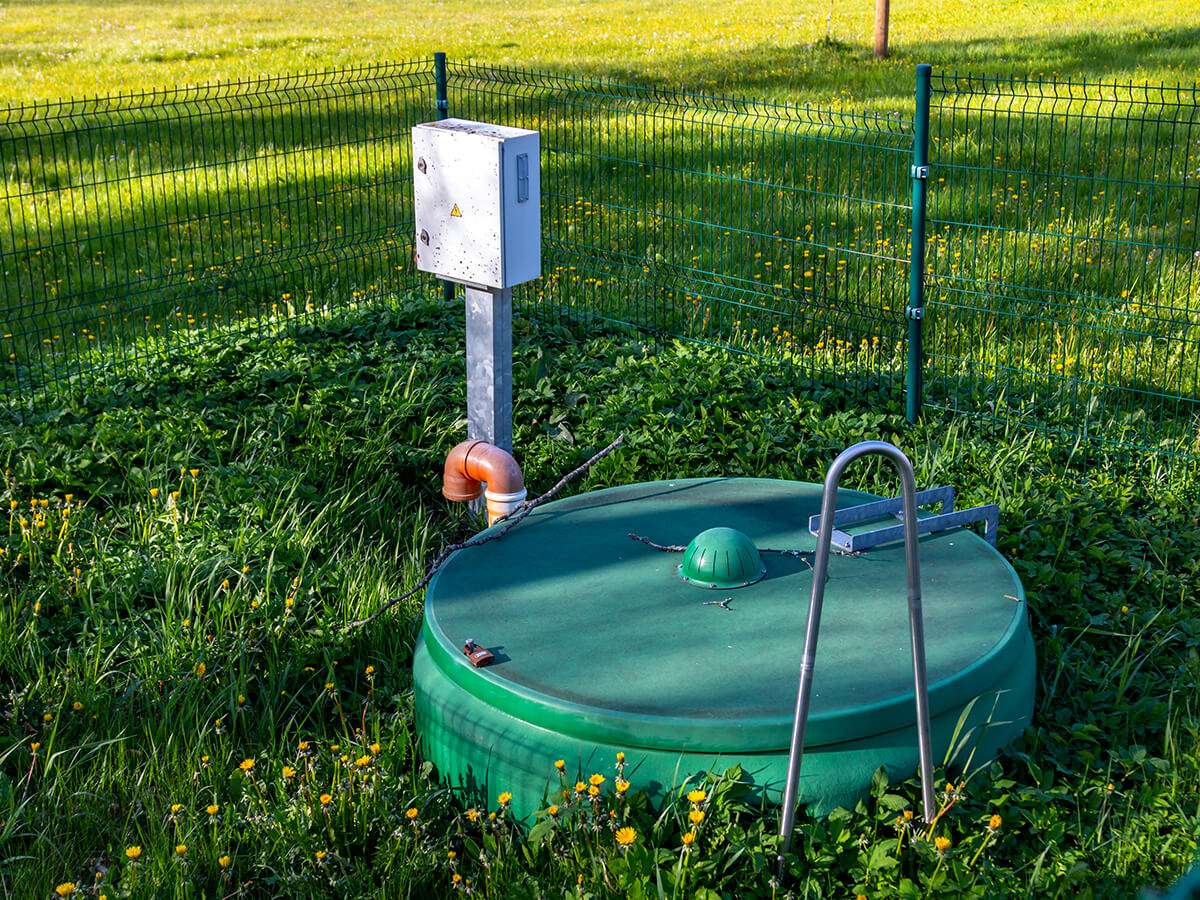
Modern septic systems are designed to do more than just hold and release wastewater. They clean, filter, and monitor how water moves through the system. These updates make today’s systems safer for homes and the environment.
- Improved Treatment methods
Modern systems use aerobic treatment units (ATUs) that rely on oxygen to break down waste faster. This active process cleans the water more thoroughly before it enters the ground. Some systems include sand or media filters to trap remaining particles, further improving water quality and reducing the risk of contamination.
- Materials and Construction Advances
Old systems often failed due to corrosion and cracks in concrete or steel tanks. Today, tanks are made of high-density polyethylene (HDPE), which resists rust, cracking, and leaks. This improvement extends the system’s lifespan and cuts down the need for frequent septic repair in New Tecumseth.
- Design and Engineering Improvements
Modern systems are engineered to fit different soil types and property layouts. For homes with poor drainage, pressure-dosed systems or raised mound systems ensure proper water distribution. These designs prevent water from pooling and help the soil filter wastewater safely.
- Monitoring, Controls, and Smart Features
Technology now plays a major role in septic management. Many systems have sensors that detect water levels and alarms that alert homeowners when service is needed. Some even allow remote monitoring, helping your plumber address problems early before they become costly.
- Regulatory and Environmental Drivers
Government regulations have become stricter to protect groundwater and nearby bodies of water. In some areas, homeowners can even get grants or tax incentives to upgrade outdated systems. These changes encourage people to use systems that last longer and reduce pollution.
Costs, Lifespan, and Return on Investment
Understanding the costs and lifespan of septic systems helps homeowners make smart financial decisions. While modern systems may cost more upfront, they often save money over time through fewer repairs and longer service life. Comparing the two gives a clearer picture of long-term value.
Older systems were cheaper to install but often needed early replacement due to wear and leaks. Their tanks and pipes also degraded faster, leading to higher maintenance costs. In contrast, modern systems last longer—often 40 years or more—with proper maintenance. Although installation costs are higher, improved performance and fewer breakdowns make them a better long-term investment.
System costs also depend on soil type, local codes, and system design. Properties with poor drainage or strict permit rules may require engineered systems that cost more. However, they provide better treatment and add value to the property.
When to Repair, When to Replace, and How to Choose
Knowing when to repair or replace your septic system can save time and money. Some problems can be fixed easily, but others may need a full replacement. Understanding the signs helps you decide what’s best for your home.
You should consider replacing a system if it’s more than 30 to 40 years old or if you notice frequent backups, soggy spots in your yard, or strong sewage smells. These are signs of serious failure that often can’t be repaired. A licensed plumber in Tecumseth can inspect your system to determine if only minor repairs or a full upgrade are needed.
Factors like property space, soil condition, and local regulations also play a role in your decision. In some areas, homeowners are required to replace outdated systems during property sales or renovations. A professional inspection can guide you toward the most cost-effective and compliant solution.
Maintenance, User Habits, and Environmental Impact
Good maintenance is key to keeping your septic system in top shape. Whether your system is old or modern, regular care prevents damage and extends its lifespan. It also helps protect the environment from pollution and groundwater contamination.
- Routine Maintenance Differences
Older systems require more frequent pumping and close monitoring for leaks or root intrusions. Modern systems, especially those with mechanical parts, need professional servicing for filters, pumps, and controllers. Both systems benefit from regular inspections to avoid costly septic repair in New Tecumseth.
- Homeowner Best Practices
Pumping the tank every three to five years keeps solids from overflowing. Avoid flushing grease, wipes, and harsh chemicals, as these can clog pipes and harm the bacteria that help break down waste. Reducing water use also eases pressure on the drainfield and helps your system work more efficiently.
- Environmental Outcomes
Modern systems are much more eco-friendly than their older counterparts. They release cleaner water that reduces nutrient pollution, protecting lakes, rivers, and groundwater. By upgrading to a newer system, homeowners help maintain cleaner neighbourhoods and safer water sources.
Call Now for Expert Help — Plumbing Authority Has You Covered
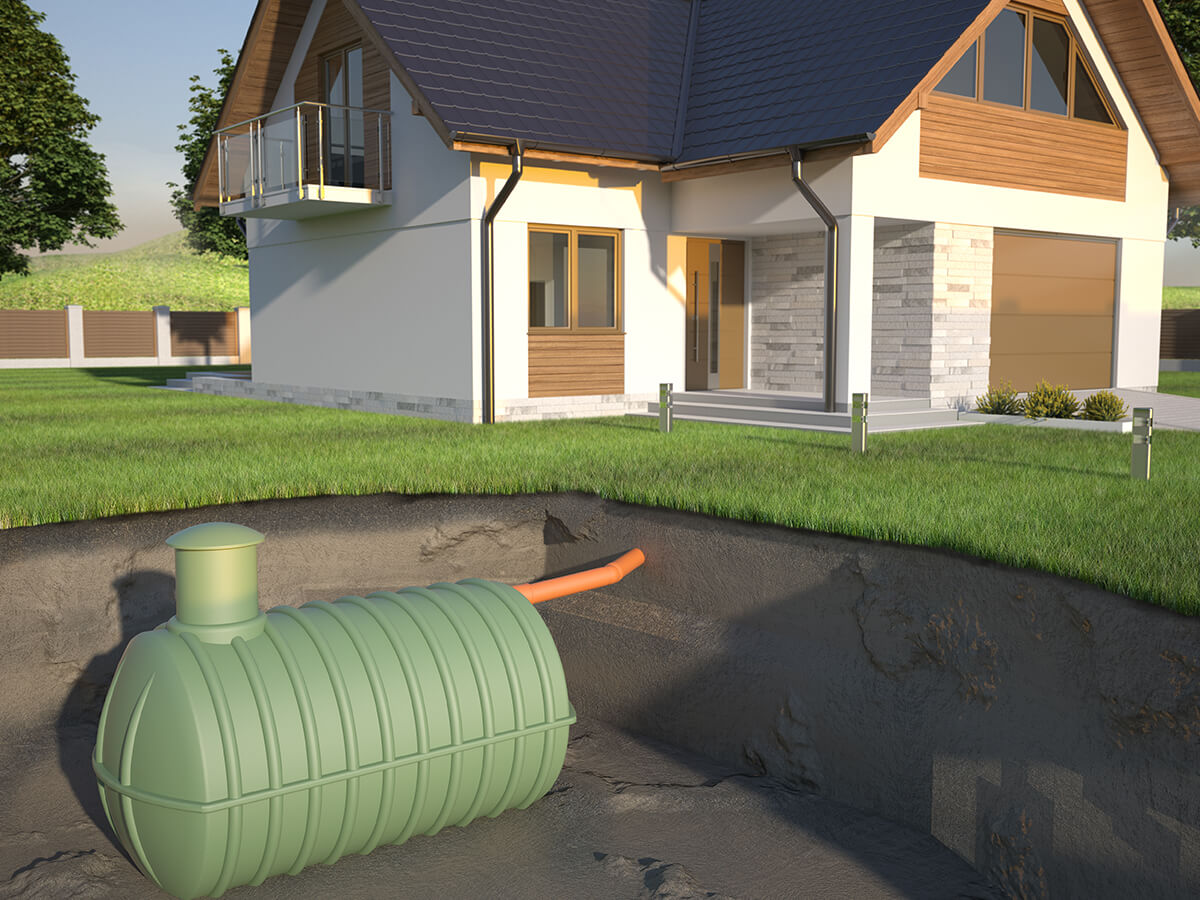
Septic systems work best when maintained by professionals who understand how they function from the ground up. Whether you need routine maintenance or septic system installation, hiring a skilled plumber ensures the job is done right. Plumbing Authority has the tools and experience to handle inspections, upgrades, and repairs with care and precision.
Don’t wait for system failure—call us today at 647-992-7473 to schedule your septic inspection or repair service and keep your home safe, efficient, and environmentally sound.