
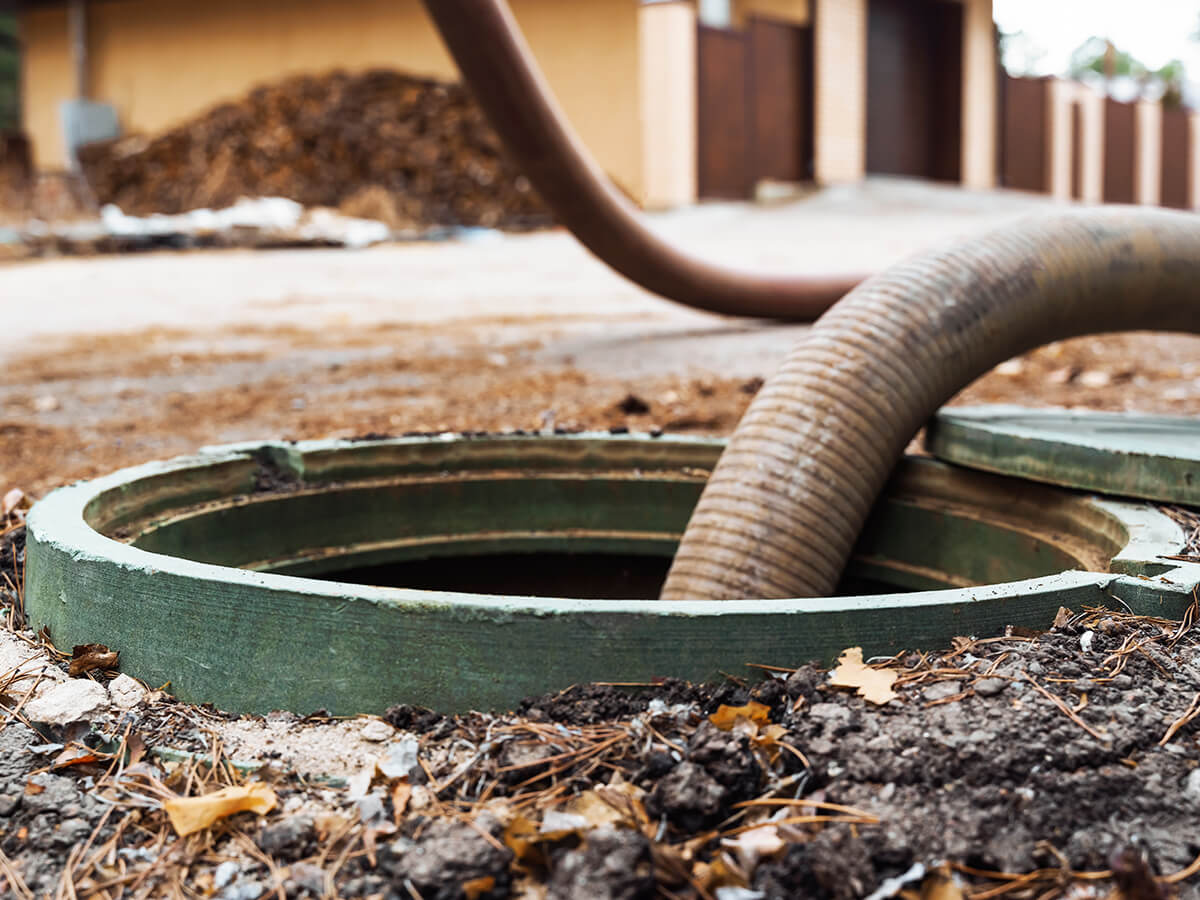
As fall arrives, many homeowners focus on cleaning up their yards and gutters but often forget one crucial part of their property—the septic system. Leaves, twigs, and debris may seem harmless, but they can cause serious issues if they reach your septic tank or drain field. Taking preventive steps can help you avoid costly repairs and keep your system running smoothly throughout the season.
Why Leaves and Debris Are a Threat to Your Septic System
During autumn, fallen leaves and debris can create unexpected problems for your septic system. When left unchecked, they can block gutters, redirect water toward your drain field, and even clog key parts of your system. Understanding these risks is the first step to protecting your septic investment.
Leaves that accumulate near your septic tank or field trap moisture in the soil. This can lead to waterlogging, which affects how wastewater filters through the ground. Twigs and debris may also block access points, making maintenance more difficult for a plumber. If this buildup freezes in winter, it can damage pipes or the tank lid, leading to expensive septic repair in New Tecumseth. Taking action early ensures your system remains efficient and trouble-free.
Signs Your Septic System May Be Affected by Debris
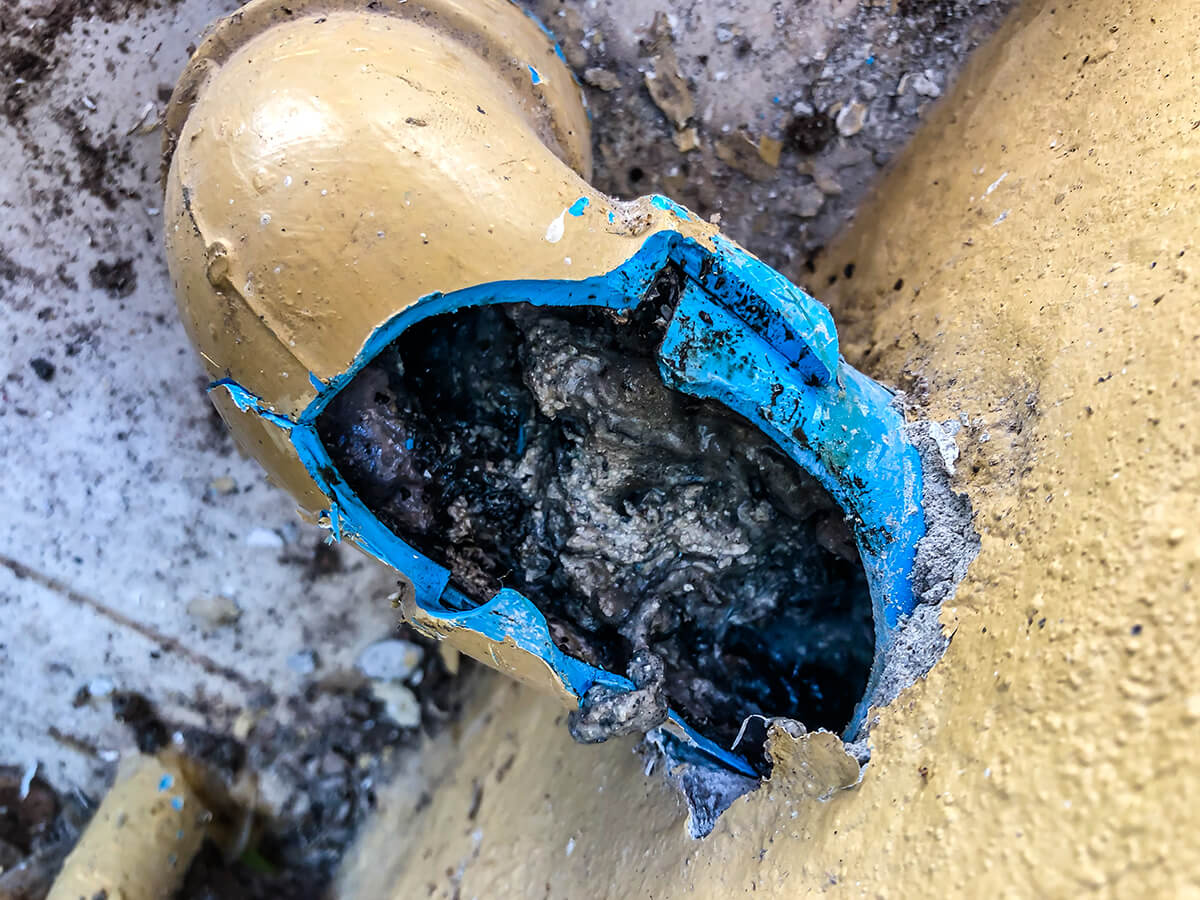
When debris interferes with your septic system, early signs are often easy to spot if you know what to look for. Paying attention to these symptoms can help you fix small issues before they turn into large ones. Here are a few indicators that your system might be struggling.
- Slow Drains: If water in sinks or tubs drains slowly, it could mean your pipes or drain field are partially blocked by leaves or sludge buildup. This is often an early warning sign that your septic system needs attention.
- Pooling Water Near the Drain Field: Standing water or soggy spots in your yard suggest the drain field isn’t filtering water correctly. This can happen when leaves block water flow or cause oversaturation.
- Foul Odours Outdoors: A strong, unpleasant smell near your septic area often means gases are escaping due to decomposing organic matter or an overloaded tank. This usually calls for professional servicing.
- Greener Grass Patches: If certain parts of your lawn look unusually lush, it may mean excess water or waste is seeping up from the ground. This can be a sign of drainage issues caused by debris buildup.
Preventive Measures to Protect Your Septic System
Protecting your septic system during fall doesn’t require complex tools or equipment—just consistent care and a few smart habits. The goal is to keep leaves, twigs, and excess water from reaching your system. Below are effective ways to reduce the impact of seasonal debris.
- Keep Gutters and Downspouts Clear
Cleaning your gutters regularly prevents water from overflowing toward your drain field. When gutters are clogged, rainwater can soak the area above your septic system and cause oversaturation. Installing gutter guards can also minimize buildup and make seasonal cleaning easier. This small maintenance task can save you from future drainage problems.
- Maintain a Leaf-Free Drain Field Area
Rake or blow leaves away from the drain field to prevent them from collecting and trapping moisture. Wet leaves can suffocate the soil and affect how wastewater filters underground. Avoid piling mulch or compost over this area, as these materials also restrict airflow. Keeping the ground clear ensures proper drainage throughout the fall and winter.
- Install Drainage Solutions Around the Septic Field
If water tends to pool in your yard, adding proper drainage can make a big difference. Simple solutions like French drains or swales help divert surface water away from the septic area. You can also have the ground graded slightly to encourage runoff. A professional plumber can assess your property and recommend the best drainage option for your soil type.
- Cover Exposed Septic Components Before Fall
Make sure tank lids and risers are tightly sealed before the season changes. A secure cover prevents leaves, rainwater, and insects from getting inside. In areas where temperatures drop, adding an insulated cover helps protect against freezing damage. Regular checks can prevent unwanted debris from entering and causing problems later.
- Schedule a Professional Septic Inspection
Having your system inspected by a plumber before fall gives you peace of mind. An expert can identify small cracks, clogs, or leaks before they worsen. They’ll also ensure that water is flowing properly through the drain field. Regular professional checks are an easy way to extend your system’s lifespan and prevent emergency septic repair in New Tecumseth.

Maintenance Tips for the Fall Season
Once you’ve taken preventive steps, ongoing maintenance will help your system stay reliable through the colder months. Fall is the best time to prepare your septic system for heavy rain and freezing temperatures. A few practical habits can go a long way in keeping everything in top shape.
- Schedule Regular Pumping
Regular pumping clears out accumulated sludge and solids from your tank. This ensures your system has enough capacity to handle additional rainwater during the season. Without proper pumping, waste can back up and create unpleasant odours or slow drains. Professionals recommend servicing your tank every three to five years, depending on usage.
- Trim Overhanging Trees and Shrubs
Branches hanging over your drain field drop leaves directly onto the area and add to debris buildup. Trimming these branches reduces the risk of organic matter falling into the system and improves airflow around the soil. It also prevents tree roots from creeping into pipes or the tank. Root intrusion can cause leaks or even break pipes over time.
- Avoid Heavy Equipment on the Drain Field
The drain field is delicate and can be easily damaged by pressure from vehicles or machinery. Avoid driving or parking in this area, especially when the ground is wet. Soil compaction limits the system’s ability to filter wastewater efficiently. Keeping the area undisturbed helps preserve its natural drainage and oxygen flow.
Winter Preparation After Fall Clean-Up
Before winter sets in, make sure your system is ready to handle colder conditions. Frozen debris can trap moisture, which may lead to blockages and surface flooding. Proper winter septic preparation after fall clean-up ensures your septic system remains functional all winter.
Use a rake or leaf blower to clear leftover debris before the first snowfall. Check the insulation and seals on your septic tank to keep heat inside and prevent freezing. If you live in a region with harsh winters, a plumber can install extra insulation or adjust drainage angles for better performance. A little effort in fall can prevent major winter issues.
When to Call a Professional
Some problems can’t be solved with simple maintenance. If you notice standing water, persistent bad odours, or gurgling sounds in your drains, it’s time to call a professional. A trained expert can inspect your system, locate blockages, and perform the necessary septic repair in New Tecumseth before damage spreads. Don’t wait until the issue worsens—early intervention always saves time and money.
Keep Your Septic System in Top Shape with Plumbing Authority
Routine care can only do so much—professional help ensures your septic system stays in peak condition. Plumbing Authority provides reliable septic inspections, maintenance, and repair services to keep your system working efficiently through every season. Our experienced plumbers know how to spot issues before they become costly repairs.
Protect Your Home with Our Expert Septic Repair Service
Don’t let leaves and debris cause unexpected septic problems this fall. Schedule a seasonal inspection or maintenance service with Plumbing Authority today. Our skilled team will ensure your septic system is clear, secure, and ready for the months ahead. Call now to arrange a visit or learn more about how our septic inspection or repair can keep your home safe and worry-free.