
Spring showers may seem harmless, but for homeowners, they often reveal weak points in a home’s drainage system. Water from rain and melting snow needs somewhere to go, and if your system isn’t clear or functioning properly, it could end up inside your home. Getting your drainage system ready now helps prevent damage and keeps your home safe as the weather shifts.
Why Spring Maintenance Matters for Your Drainage System
Winter takes a quiet toll on your home. Snow and ice can block gutters, shift soil, and crack pipes without much notice. When the snow melts and rain arrives, those hidden problems become obvious.
Spring runoff puts pressure on your system. Gutters must be clear, downspouts must drain far from the foundation, and sump pumps need to be working. If any part of this chain breaks down, water builds up quickly. This can result in flooding, water damage, and mould. Getting ahead of these issues prevents larger headaches when rain becomes a regular event.
Blocked or damaged drains don’t always show obvious signs right away. You might see puddles in the yard, damp patches on basement walls, or slow-draining sinks—all signs your drainage system needs attention. Spring is the ideal time to fix these problems before they lead to structural issues.
Inspect Key Areas for Winter Damage
Before you clean or make upgrades, walk around your property and inspect areas most affected by snow and ice. Winter weather often causes silent damage, especially in exterior features like gutters, foundation walls, and drains. Identifying problems early lets you fix them before they worsen.
- Gutters and Downspouts
Inspect for rust, separation, or sagging. Ice buildup during winter can bend or loosen sections. When this happens, water won’t drain as designed—it may spill over the sides and run down your siding.
Also, check for signs of nesting animals or built-up debris in elbows and joints. These blockages can force water to back up and leak into the fascia. Reattach or seal any loose segments and make sure fasteners are secure.
- Yard Drainage and Grading
Spring is the best time to look for pooling water in your yard. After a light rain, walk around and watch where the water goes. If it collects near your home or in low-lying areas, your grading may need correction.
Pay attention to areas near garden beds, patios, and walkways, too. Sometimes, raised structures can cause water to flow toward your foundation instead of away. If you see muddy spots or erosion, that’s a warning sign that your drainage path isn’t working properly.
- Foundation and Basement Entry Points
Check basement walls for cracks or chalky residue. Water can enter through even the smallest openings. Look at window wells and the ground near basement doors as well. Make sure seals are intact and drainage paths around the foundation are clear.
If water has already made its way inside during previous seasons, now is the time to waterproof these trouble spots. Small cracks can be sealed, but persistent moisture may require professional attention.
Clean and Clear Your Drainage Paths
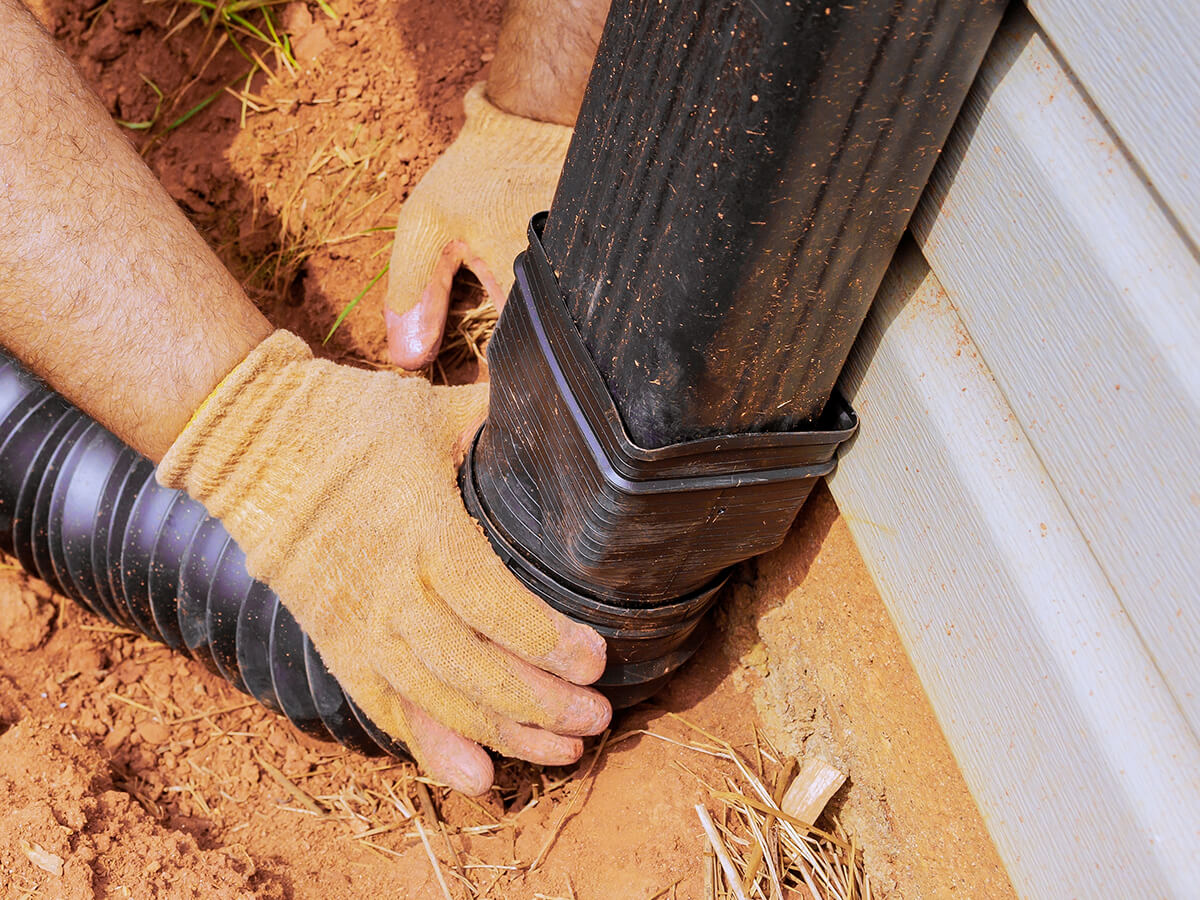
A blocked drainage system can cause major issues, even if everything else is in good shape. Cleaning is simple but essential. If your drainage paths are full of leaves, soil, or garbage, they’ll overflow and send water where it doesn’t belong.
- Remove Debris from Gutters and Drainage Channels
Gutters collect everything from leaves and twigs to roof grit. If this debris stays, water will spill over and saturate your siding or soffits. Scoop everything out by hand and rinse with a hose to confirm water flows properly.
Drainage channels around driveways or patios often get packed with dirt or mulch. Use a stiff brush or wet/dry vacuum to remove buildup. Don’t forget to check culverts and grates that may have shifted or filled during snow removal.
- Flush Downspouts and Underground Drains
Use a garden hose to flush each downspout. Watch for backup or slow movement, which could signal a clog inside the pipe or in underground extensions.
If water spills out at the base of the pipe instead of draining away, you likely have a blockage underground. A plumbing professional can use camera to inspect these pipes and hydro-jetting tools to clean them out safely.
- Clear Surface Drains and French Drains
Grates over surface drains should be free of trash, weeds, and other buildup. These drains rely on open access to pull in water during heavy rainfall.
If you have a French drain, check for exposed gravel and sinking soil. These signs could mean the pipe underneath is blocked or that the system is overloaded. In either case, cleaning or repair may be necessary.
Check Sump Pumps and Backwater Valves
Your sump pump and backwater valve act as backup protection when water enters places it shouldn’t. If they fail during a storm, your basement could flood within minutes. Testing these components in spring is one of the most valuable steps you can take.
- Test Your Sump Pump
Test your sump pump by pouring a bucket of water into the pit. The float should rise and trigger the pump. Check that water exits through the discharge line as expected. If the pump fails to start, runs continuously, or only hums without moving water, it likely needs repair or replacement.
Also, inspect the electrical cord and battery backup (if installed). Power outages are common during storms, so a battery backup is a wise addition for homes prone to flooding.
- Inspect the Backwater Valve
The backwater valve prevents sewage from backing up into your home during a flood. Remove the cap and check that the valve flap moves freely. Look for sediment or debris around the flap—these can prevent it from closing fully.
If you’re unsure how to clean or inspect the valve, have a licensed plumber do it. This is especially important if your home has had sewer backups in the past.
Signs You Need Professional Drainage Service
If you’ve done your part and drainage issues still happen, it’s time to bring in experts. A professional can find hidden problems, offer long-term fixes, and make sure your system works under pressure.
- Water Pooling Despite Efforts
Standing water in your yard or near your home, even after adjustments, likely means a bigger issue is at play. This could be poor soil drainage, crushed pipes, or underground clogs. A pro can inspect below the surface and find out what’s wrong.
- Recurring Basement or Foundation Leaks
If water keeps seeping into your basement, don’t just mop it up—find out why. Leaks may come from poor grading, clogged weeping tiles, or foundation cracks. Ignoring this issue only makes repairs more expensive over time.
- Uneven Grading or Erosion Problems
Severe runoff and soil loss show your current drainage isn’t working. If water washes out mulch or exposes roots, your landscape needs better control. A drainage specialist can redesign your system to handle future storms.
How a Drainage Service Can Help
Drainage professionals bring experience, tools, and long-term solutions. They look beyond surface issues to ensure your system is complete and functional. From inspections to installations, they help protect your property from preventable water damage.
They use camera inspections to locate blockages and recommend changes that match your home’s layout. Whether it’s rerouting downspouts, rebuilding trench drains, or waterproofing basements, their work provides peace of mind. If you’re unsure what’s causing the problem, a professional can offer answers and results that last.
Spring Drainage Maintenance Checklist
✅ Clean gutters and downspouts thoroughly.
✅ Check downspouts for clogs and install extensions.
✅ Inspect your sump pump for proper function.
✅ Flush out surface drains and French drains.
✅ Examine your yard for signs of poor grading.
✅ Check basement walls and window wells for moisture.
✅ Inspect the backwater valve and remove debris.
✅ Look for pooling water around patios, driveways, or walkways.
✅ Add or replace splash blocks under downspouts.
✅ Schedule a professional inspection if water issues continue.
Book Reliable Drain Service in New Tecumseth with Plumbing Authority
When rain hits hard, your home needs to be ready. Plumbing Authority offers trusted, efficient drain service in New Tecumseth to help you stop water problems before they start. Whether you need a sump pump replacement, blocked pipe repair, or full drainage system inspection, our expert team is ready to help.
Don’t wait until you see water inside your home. Call us at 647-992-7473 to book your spring drainage service today and protect your property all season long.
Frequently Asked Questions
How much does it cost to fix poor drainage around my home?
Costs vary depending on the severity of the issue, but it’s generally more affordable than dealing with water damage. An inspection will give you a clear idea of what’s needed.
Why do my drains smell bad after winter?
Debris and standing water in unused drains can create unpleasant odours. Cleaning them out in early spring usually solves the problem.
Can clogged gutters really cause flooding in my basement?
Clogged gutters can overflow and send water straight down to your foundation. This water can then seep through cracks and enter your basement.
Can heavy spring rain damage my foundation?
Prolonged water exposure from poor drainage can weaken your foundation and lead to cracks or leaks. Managing water flow is key to protecting your home’s structure.