Fall brings cooler temperatures and changing weather that can put a home’s plumbing system at risk. Pipes left unprotected may freeze or burst, causing leaks that damage floors, walls, and foundations. Clogged gutters and drains filled with leaves can lead to slow drainage, water backups, and even mould growth. Taking preventive steps now helps maintain water systems, protects your home, and reduces the need for costly emergency plumber visits later.
Why Homeowners Should Prioritize Plumbing and Drain Checks in Fall
Fall introduces cooler temperatures and falling leaves, which can create risks for your plumbing system. Taking preventive action now helps avoid costly damage and emergency plumber visits. Key reasons to prioritize plumbing and drain care in fall include:
- Risk of Frozen Pipes: Uninsulated or poorly protected pipes are highly susceptible to freezing as temperatures drop. When water inside the pipes freezes and expands, it can cause the pipes to burst, leading to extensive water damage to floors, walls, and foundations.
- Clogged Gutters and Drains: Accumulated leaves, twigs, and debris can block gutters and drains, preventing proper water flow. This blockage increases the risk of slow drainage, overflow, and potential flooding that can harm both the exterior and interior of the home.
- Water Damage Prevention: Even small leaks or backups can create damp conditions that encourage mould and bacteria growth. These issues can damage building materials and pose serious health hazards to household members.
- Efficiency of Water Systems: Seasonal maintenance ensures that water heaters, faucets, and outdoor plumbing operate effectively during colder months. Proper care prevents unexpected malfunctions, reduces energy waste, and maintains a steady supply of hot water.
- Cost Savings: Addressing plumbing and drain issues early allows homeowners to avoid expensive emergency repairs. Routine fall maintenance helps prevent small problems from escalating into major, costly damages that require professional intervention.
Common Plumbing Issues in Fall
Fall introduces several common plumbing problems that homeowners often overlook. These issues can be minor at first but may develop into serious problems if left unattended. Understanding the typical risks helps you prioritize maintenance tasks effectively.
- Leaks and Dripping Faucets
Even minor leaks can waste a significant amount of water over time. Dripping faucets can also indicate hidden issues in your plumbing system, such as worn washers or corrosion. Addressing leaks early prevents larger, more costly problems later.
- Slow or Clogged Drains
Falling leaves and indoor debris often contribute to slow drains during autumn. Clogs can create unpleasant odours, standing water, and potential pipe damage. Regular cleaning and inspection help maintain proper drainage and reduce stress on your pipes.
- Frozen or Bursting Pipes
Water expands when it freezes, which can crack or burst pipes. Exposed pipes in basements, attics, and crawl spaces are particularly vulnerable. Insulating pipes and monitoring temperatures helps prevent freezing and the resulting damage.
- Water Heater Problems
Sediment can build up in water heaters over time, reducing efficiency. Malfunctioning valves or improper temperature settings may create safety risks. Regular inspection and maintenance ensure your water heater provides consistent hot water during the colder months.
Fall Plumbing Checklist for Homeowners
Following a structured checklist helps homeowners manage their plumbing systems efficiently. The checklist below covers both indoor and outdoor plumbing, including pipes, drains, water heaters, and sump pumps. Completing these steps ensures that your home is protected and reduces the chances of costly repairs.
- Inspect and Insulate Pipes
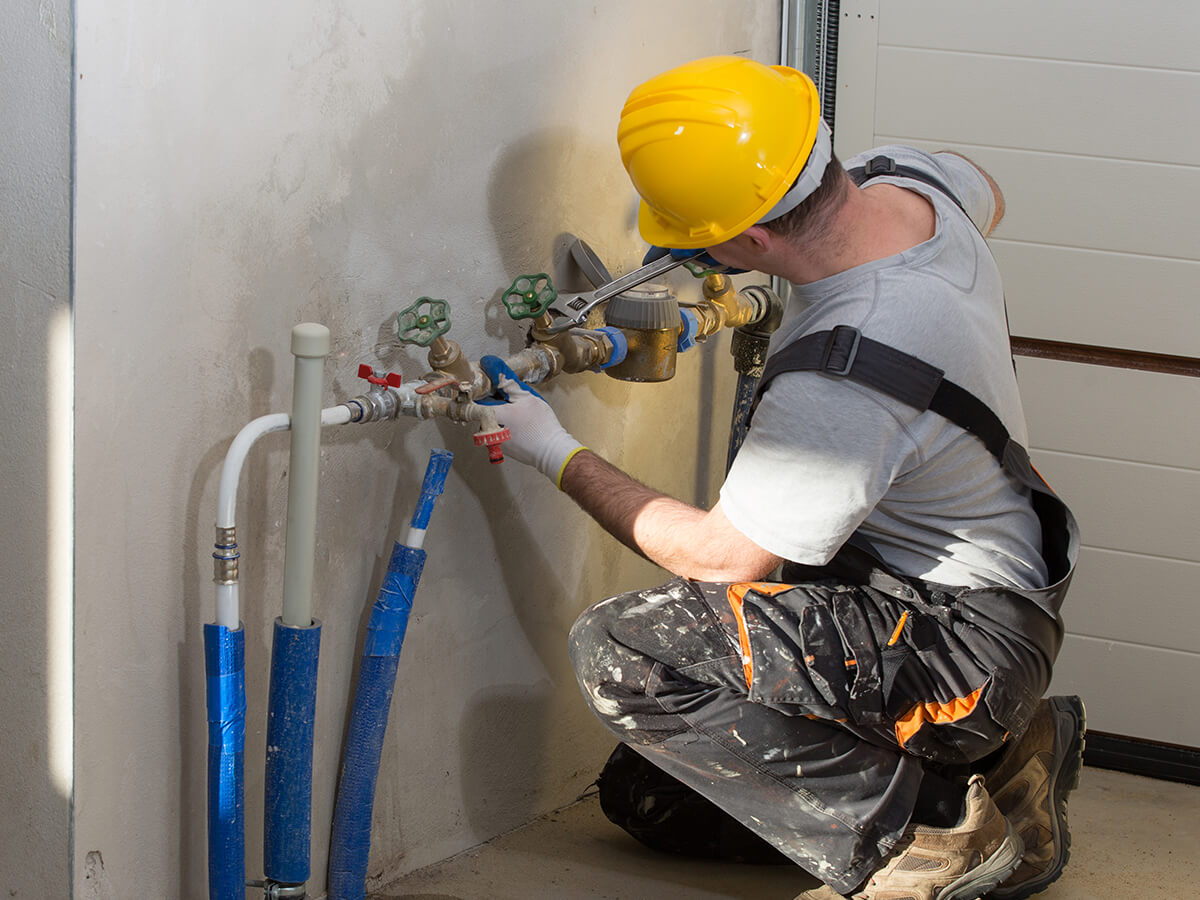
Check exposed pipes for leaks, cracks, or corrosion. Even small leaks can worsen during the cold months, causing significant water damage over time. Inspect pipes in basements, attics, and crawl spaces for signs of wear.
Insulate vulnerable pipes to prevent freezing. Use foam sleeves or heat tape for pipes in colder areas of your home. Proper insulation not only protects pipes but also improves energy efficiency.
- Clean Gutters and Downspouts
Remove leaves, twigs, and debris from gutters. Clogged gutters can cause water overflow that damages the roof and walls.
Ensure downspouts direct water away from your home’s foundation. Water pooling near the foundation can lead to basement flooding and erosion. Clear paths prevent drainage issues and protect your property during heavy autumn rains.
- Drain Maintenance
Inspect and clear indoor drains of hair, soap buildup, and other debris. Slow or clogged drains can lead to standing water, unpleasant odours, and potential pipe damage. Using a drain snake or safe cleaning solutions helps maintain proper water flow.
Check outdoor drains and storm drains for blockages. Leaves and debris often accumulate near these areas, preventing proper water drainage. Maintaining clear outdoor drains helps prevent backyard flooding and water damage to your home’s exterior.
- Check Water Heater
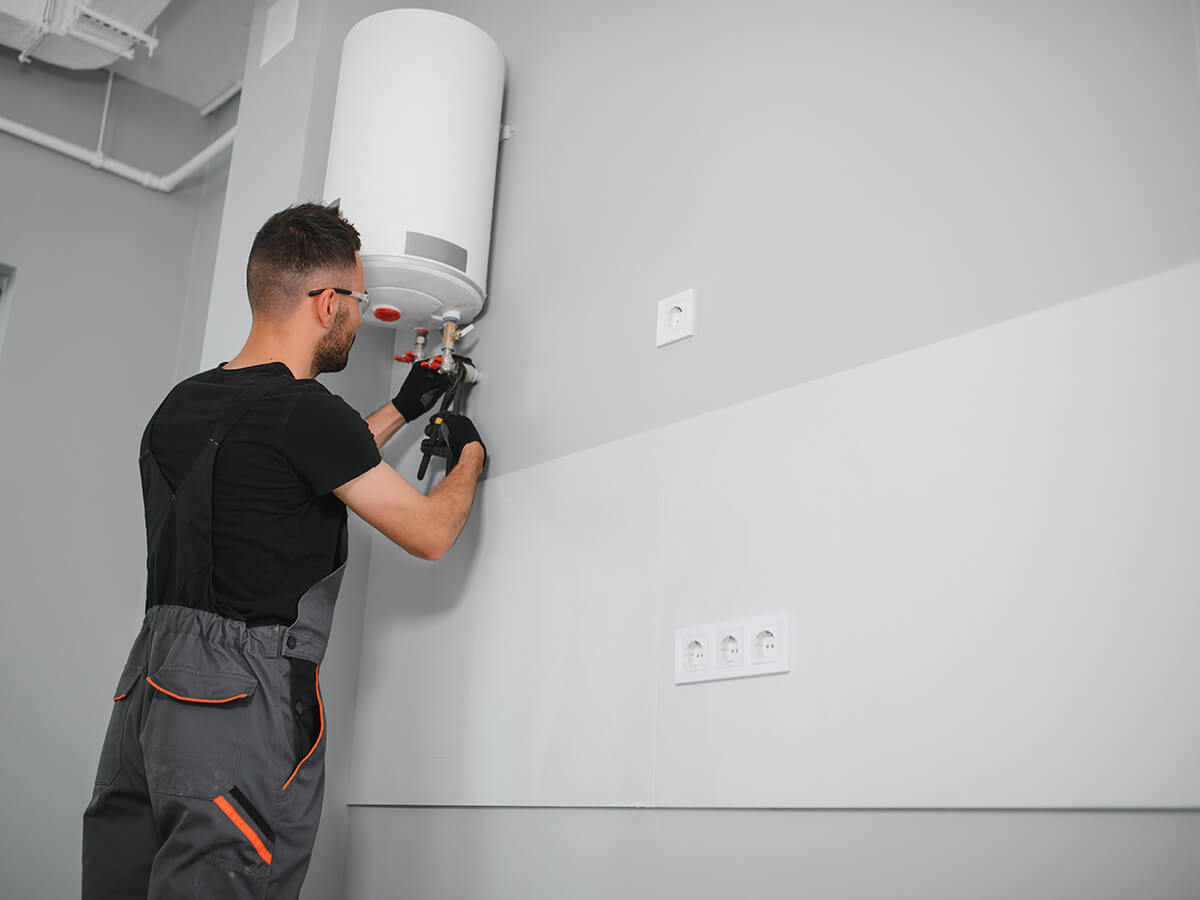
Flush the water heater to remove sediment. Sediment buildup can reduce heating efficiency and shorten the appliance’s lifespan. Regular maintenance ensures hot water is available and energy bills are kept low.
Inspect the pressure relief valve and confirm temperature settings are correct. Faulty valves or incorrect temperatures can create safety hazards. Ensuring your water heater operates properly keeps your household safe and warm throughout fall and winter.
- Test Sump Pump (if applicable)
Run a test to ensure your sump pump is working correctly. Malfunctioning pumps can result in basement flooding during autumn rains.
Clean the sump pit and remove any debris. Check the discharge line to ensure water is flowing freely away from your home. A well-maintained sump pump protects your basement and helps prevent costly water damage.
- Inspect Outdoor Faucets and Irrigation
Drain and disconnect garden hoses from outdoor faucets. Hoses left connected can freeze and damage the faucet or nearby pipes.
Shut off irrigation systems and winterize sprinklers. Removing water from pipes prevents them from freezing and cracking. This step is essential for preserving your outdoor plumbing during the colder months.
Additional Fall Plumbing Tasks
Beyond the basic checklist, several extra tasks help prevent hidden issues and ensure a well-maintained system. Inspecting appliances, toilets, traps, and water pressure keeps your plumbing safe and efficient. Septic systems also require attention to avoid costly problems during winter.
- Clean P-Traps
Remove hair, soap, and other debris from sink and shower traps. Clogged traps slow water drainage and create unpleasant odours. Regular cleaning ensures proper flow and reduces the chance of drain blockages.
- Inspect Toilets and Seals
Check for leaks around the toilet base and inside the tank. Leaks can waste water and damage flooring over time. Inspecting seals ensures toilets operate efficiently and prevents unexpected water damage during colder months.
- Septic System Check
Examine your septic system for signs of backups or slow drainage. Regular maintenance prevents emergency septic repair in New Tecumseth. Proper care protects your home’s plumbing system and avoids costly disruptions during winter.
- Check Water Pressure
Monitor water pressure to detect potential leaks or clogs. Low pressure may indicate a blockage, while high pressure can strain pipes and fixtures. Adjusting pressure keeps the plumbing system safe and extends the life of appliances and pipes.
- Examine Appliances
Inspect dishwashers, washing machines, and ice makers for leaks. Addressing minor appliance issues prevents water damage and ensures proper operation during fall and winter. Proper appliance maintenance also contributes to energy efficiency.
Energy Efficiency and Plumbing in Fall
Fall plumbing services can also improve energy efficiency and reduce bills. Insulated pipes, properly maintained water heaters, and sealed gaps help conserve heat and water. Small adjustments now create long-term savings and maintain comfort during colder months.
- Insulate Hot Water Pipes
Insulating hot water pipes retains heat, reducing energy needed to maintain water temperature. This keeps hot water available more quickly and lowers heating costs. Proper insulation also prevents freezing in colder temperatures.
- Check Water Heater Efficiency
Flush sediment and inspect for leaks to maintain optimal performance. An efficient water heater reduces energy waste and extends its lifespan. Keeping the system in top condition ensures a steady supply of hot water during the season.
- Seal Gaps Around Pipes
Cold air entering through gaps can freeze pipes. Seal openings with caulk or foam insulation to protect your plumbing system. Sealing gaps also contributes to overall energy savings and keeps your home warm.
When to Call a Professional Plumber
Some plumbing issues require professional expertise to ensure safety and effectiveness. Persistent leaks, damaged pipes, and recurring clogs should be handled by a qualified plumber. Professional inspection before winter helps prevent emergencies and ensures your plumbing system is in peak condition.
Benefits of Hiring a Plumber
Professional plumbers detect hidden problems early, which homeowners might miss. They have the tools and experience to repair issues efficiently. Hiring a plumber also provides peace of mind, knowing your system is properly maintained.
Emergency Plumbing Situations
Burst pipes, flooding, and water heater failures need immediate attention. Quick response from a professional prevents extensive water damage. Scheduling timely interventions saves money and reduces stress during fall and winter.
Keep Your Pipes Safe This Season – Call Plumbing Authority
Prepare your home for winter with professional plumbing services from Plumbing Authority. We provide comprehensive inspections, expert drain service in New Tecumseth, septic tank pumping, and pipe protection to prevent costly issues. Call us today at 647-992-7473 schedule your service today and safeguard your home this fall.