
A burst pipe can unleash catastrophic water damage in minutes. In Canada’s deep freeze, bathrooms on exterior walls become critical vulnerabilities, making winterization mandatory. Do not assume indoor plumbing is safe. Cold air penetrates wall cavities and cabinets, creating hidden “micro-climates” that freeze drains. As ice expands, it cracks piping with immense force. Preventing this requires a tactical approach to insulation, airflow, and maintenance.
1. Master the Art of Pipe Insulation
The most direct defence against the cold is a physical barrier. Exposed pipes in basements, crawl spaces, or even inside vanity cabinets located against exterior walls are prime candidates for freezing. The ambient room temperature might be twenty degrees, but the air surrounding a pipe inside a drafty vanity cabinet can easily drop below zero.
Foam Insulation Sleeves
Polyethylene foam sleeves are the standard for accessible pipes, but a snug fit is non-negotiable. Measure accurately, as loose sleeves allow cold air circulation that renders protection useless. Seal the slit completely; reinforcing the adhesive strip with duct tape or cable ties to ensure the seal withstands temperature fluctuations.
Fibreglass Wrap
For complex bends where rigid foam fails, fibreglass wrap is superior. Spiral-wrap the pipe with a half-inch overlap to prevent thermal bridging, securing the ends with acrylic tape. This creates a continuous thermal barrier that conforms perfectly to the unique geometry of drainage traps.
2. Eliminate Drafts and Air Leaks
Cold air infiltration is the silent killer of plumbing systems. A tiny gap in the siding, a crack in the foundation, or an unsealed rim joist can direct a laser-focused stream of sub-zero air directly onto a waste pipe. Over the course of a single night, this concentrated draft can freeze the water sitting in a P-trap solid.
Exterior Inspection
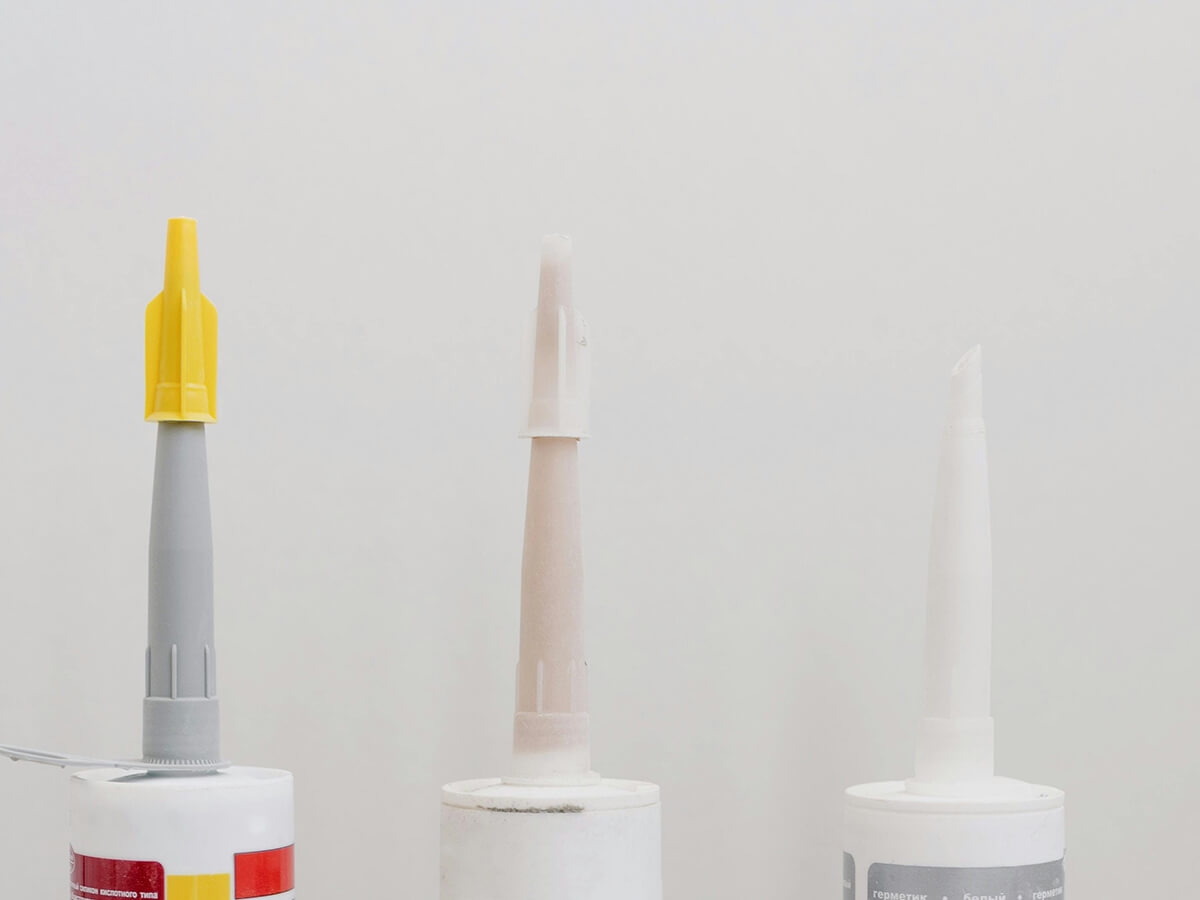
Walk the perimeter of your home, paying close attention to the areas corresponding to your bathrooms. Look for gaps around dryer vents, hose bibs, and where the siding meets the foundation.
Use a high-quality exterior caulk or expanding spray foam to seal these penetrations. Remember that spray foam expands significantly; use a “window and door” low-expansion formula to avoid distorting vinyl siding or wood trim.
Interior Sealing
Inspect the vanity cabinet where the waste pipe enters the wall. Oversized holes often create gaps leading directly to cold wall cavities. Seal small gaps with silicone caulk; for larger voids, block pests with steel wool and finish with spray foam. This crucial step seals the plumbing zone against freezing drafts.
3. Optimize Cabinet Air Circulation
While sealing the house against outside air is crucial, promoting airflow inside the home is equally important. Plumbing located inside bathroom cabinets is often cut off from the home’s heating system. If the cabinet doors are closed, the temperature inside can be significantly lower than the rest of the bathroom, especially if the cabinet backs onto a north-facing wall.
The Open Door Policy
During periods of extreme cold (when the forecast predicts temperatures dropping below -20°C) adopt the habit of leaving bathroom vanity doors open. This allows the warm air from the room to circulate around the pipes. It is a simple, zero-cost tactic that is highly effective.
Fan Management
Be mindful of bathroom exhaust fans. While they are essential for removing moisture, they also pull warm air out of the house and can create negative pressure, drawing cold air in through cracks in the building envelope. Run the fan only as long as necessary to clear shower humidity, then shut it off to preserve heat.
4. Address the P-Trap Vulnerability
The P-trap is the U-shaped pipe beneath the sink and tub designed to hold standing water, which creates a seal against sewer gases. However, in winter, this standing water is a liability. If a bathroom is rarely used (such as a guest bath or a basement powder room) the water in the trap can stagnate and freeze more easily than flowing water.
Drainage Health and Safety
It is vital to keep these drains clean. A slow drain is a freezing risk because water that trickles sits in the pipe longer, losing its thermal energy. Biological buildup can also complicate matters.
According to a study, drainage systems and their maintenance, if neglected, could pose a threat to both community and healthcare, causing infections and the emergence of multi-resistant bacteria that could cause unpredictable clinical manifestations (Blom, K. 2015).
This highlights that winterization is not just about preventing leaks; it is about maintaining a sanitary environment. A frozen, backed-up drain is a biological hazard.
The Salt Water Trick
For drains that are used infrequently, flushing them with salt water can lower the freezing point of the liquid in the trap. Dissolve a generous amount of salt in hot water and pour it down the drain.
Alternatively, specialized non-toxic recreational vehicle (RV) antifreeze can be used for drains in cottages or seasonal properties that will be left unattended for weeks. This fluid does not expand when it freezes and is safe for septic systems.
5. Regulate Indoor Heating Consistency
Many homeowners attempt to save on energy bills by lowering the thermostat drastically at night or when they leave for work. In the plumbing world, this strategy is risky. A consistent temperature is safer for drains than wide fluctuations.
Smart Thermostat Settings
Maintain a minimum temperature of 16°C to 18°C, even when the house is empty. If you have a “smart” thermostat, program it to ensure the heat cycles regularly. This keeps the internal structure of the home, including the wall cavities where pipes reside, at a stable temperature.
Space Heater Caution
If a specific bathroom is notoriously cold, you might consider using a space heater temporarily during cold snaps. However, never leave these unattended. A safer alternative is to install a permanent baseboard heater or a toe-kick heater under the vanity to direct warmth specifically toward the plumbing fixtures.
6. The Trickle Technique
Motion creates heat (friction) and prevents crystallization. In scenarios where the temperature is forecasted to drop to dangerous lows and you have a pipe you know is vulnerable, allowing a faucet to drip can save the system.
Strategic Dripping
You do not need a torrent of water; a steady drip the size of a pencil lead is sufficient. This keeps water moving through the supply lines and, consequently, through the drain lines. Use cold water for this purpose to save on water heating costs, though a mix of warm water provides better protection for the drain itself. This technique is a last resort for extreme weather but remains one of the most effective emergency measures.
7. Clean Drains with Enzymatic Cleaners
Chemical drain openers are harsh. They generate heat through chemical reactions that can be intense. If you pour a caustic chemical cleaner down a very cold drain, the thermal shock (rapid change from cold to hot) can crack porcelain bowls or even shatter old metal pipes.
Biological Solutions
Opt for enzymatic drain cleaners. These use bacteria to eat away at organic matter like hair, soap scum, and grease. By removing this debris, you ensure the pipe has the maximum diameter available for water flow. A clean pipe holds less water than a clogged one. Less standing water means less ice. Use these cleaners monthly throughout the winter to keep the lines flowing smoothly without the risk of thermal shock damage.
8. Know When to Call a Professional
There is a distinct line between homeowner maintenance and systemic repair. If you discover that your bathroom drains freeze every year despite your best efforts to insulate and seal, you likely have a structural issue. The pipes may be routed incorrectly through an unconditioned space, or the slope of the drain might be insufficient, causing water to pool where it should run off.
Complex Rerouting
Relocating waste pipes requires cutting walls, venting knowledge, and precise grading; tasks beyond average skills. While minor insulation is manageable, complex rerouting demands a licensed plumber in New Tecumseth to ensure code compliance. Professionals use video inspection to pinpoint freeze points and implement permanent solutions, such as rerouting lines or installing automatic heat trace cables.
9. Disconnect Exterior Hoses
While this tip usually applies to outdoor faucets, the proximity of outdoor spigots to indoor bathroom plumbing is often overlooked. If a hose is left connected to a spigot on the other side of the bathroom wall, the water inside the hose freezes and expands backward into the spigot and the interior supply pipe. This can split the pipe inside the wall cavity, causing leaks that damage the bathroom floor and ceiling below.
Winter Protocol
Disconnect all hoses, drain the spigots, and if your home is equipped with interior shut-off valves for exterior lines, turn them off and bleed the excess water. This creates an air gap that insulates the interior plumbing from the exterior freezing point.
Secure Your Home Before the Freeze
Canadian winters demand respect. Your home’s plumbing is its circulatory system, requiring specific care to function in sub-zero environments. Neglecting small signs (a drafty cabinet or slow drain) invites disaster. Proactive steps protect both your property’s structural integrity and your household’s safety.
Whether you need routine maintenance or emergency drain repair in New Tecumseth, taking action now prevents disaster later. Do not wait for the emergency to strike. Contact Plumbing Authority today at (647) 992-7473.