
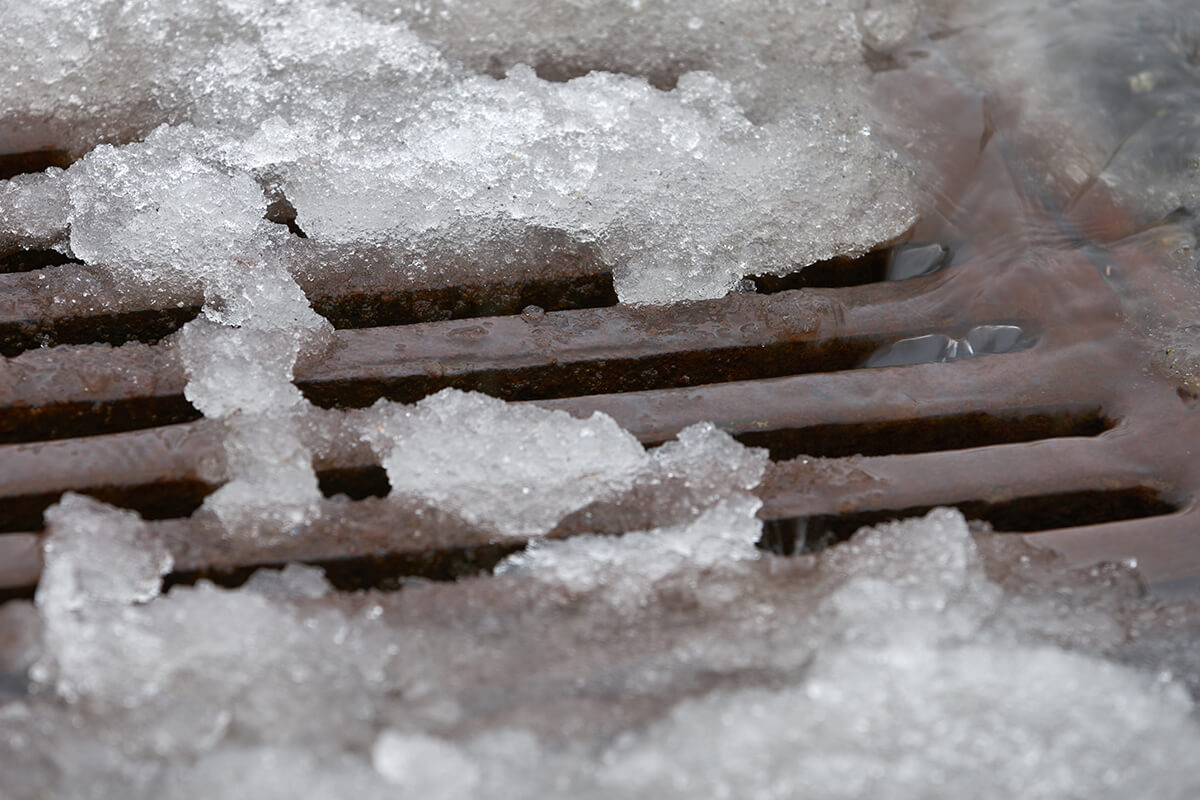
The onset of cold weather brings a quiet beauty, often marking a shift toward cosy indoor living. While we enjoy the crisp air and the settling of snow, there is a less obvious impact occurring beneath the surface, one affecting essential home utilities. Specifically, the quality of domestic water supplies frequently undergoes a significant, observable change during the later winter months and the early period of spring thaw.
This shift naturally prompts a key question for many homeowners: Why does the water taste or smell different, or why does the life of my household water filter seem to shorten when the frozen ground begins to release its grip? The reason relates directly to 2 primary factors: the substantial volume of spring snowmelt runoff and the surge of carried material, primarily total suspended solids (TSS). This influx of fine particles requires your existing water filtration systems to operate under much higher stress.
The Impact of Snowmelt on Your Home Water Filter
The melt season introduces a substantial, temporary alteration in the physical and chemical qualities of raw water, leading directly to higher stress on residential filtration units.
- Increased Turbidity and Total Suspended Solids (TSS)
The rushing water from melting snow mobilizes vast amounts of microscopic soil particles and silt that remained frozen on the ground all winter. This elevates the water’s turbidity level, meaning it appears cloudier. The primary job of a sediment pre-filter is to trap these solids, and the higher the TSS, the quicker its pores block up, shortening its functional life and reducing the efficiency of the subsequent carbon filtration stage.
- Higher Levels of Dissolved Organic Carbon (DOC)
Runoff collects decomposing plant matter, leaves, and other organic debris that have built up under the snow. This influx of DOC can react with chlorine used for municipal disinfection, potentially creating disinfection by-products (DBPs). While primary filtration deals with particles, advanced carbon filters work overtime to adsorb these organic compounds, contributing to the taste and odour issues often noted during the thaw.
- Elevated Mineral and Hardness Levels
As water moves over and through the ground, it naturally dissolves minerals like calcium and magnesium. During intense runoff, this dissolution rate increases, sometimes leading to a temporary spike in water hardness. While not a filter failure, this higher mineral content can increase scaling on appliances and potentially affect the lifespan of water softening systems if they are integrated into the home’s plumbing setup.
- Manganese and Iron Release
The shifting conditions of the soil due to saturation and temperature changes can promote the release of heavy metals, particularly dissolved iron and manganese. These metals are known for causing staining and unpleasant metallic tastes. The presence of these trace metals puts additional stress on the oxidation and filtration stages of certain whole-house filtration systems, demanding more from the water purification equipment.
- Increased Biological Load
The warmer meltwater creates an environment where microorganisms can become more active, introducing more bacteria and viruses into the source water. While municipal treatment handles pathogens, any slight increase in biological material can necessitate higher usage of chlorine, which then requires the activated carbon filter to work harder at chlorine reduction for taste improvement.
- Introduction of Road Salts and De-icing Chemicals
Canadian municipalities use substantial quantities of sodium chloride and other salts for road de-icing. Spring runoff carries these chemicals into the water system. High-quality point-of-entry water treatment is needed to address this. While carbon filters may remove some chlorine, specialized reverse osmosis membranes or ion exchange resins are better equipped to reduce the concentration of these dissolved inorganic contaminants.
- Fluctuations in Water pH
Snowmelt water generally has a slightly lower pH than groundwater, making it slightly more acidic. This fluctuation can influence the solubility of other substances in the pipes and how effectively chemical treatments at the municipal plant function. While not a direct filter clogger, this change in water chemistry influences overall water quality and the operating efficiency of home water treatment devices.
Solutions and Actionable Tips
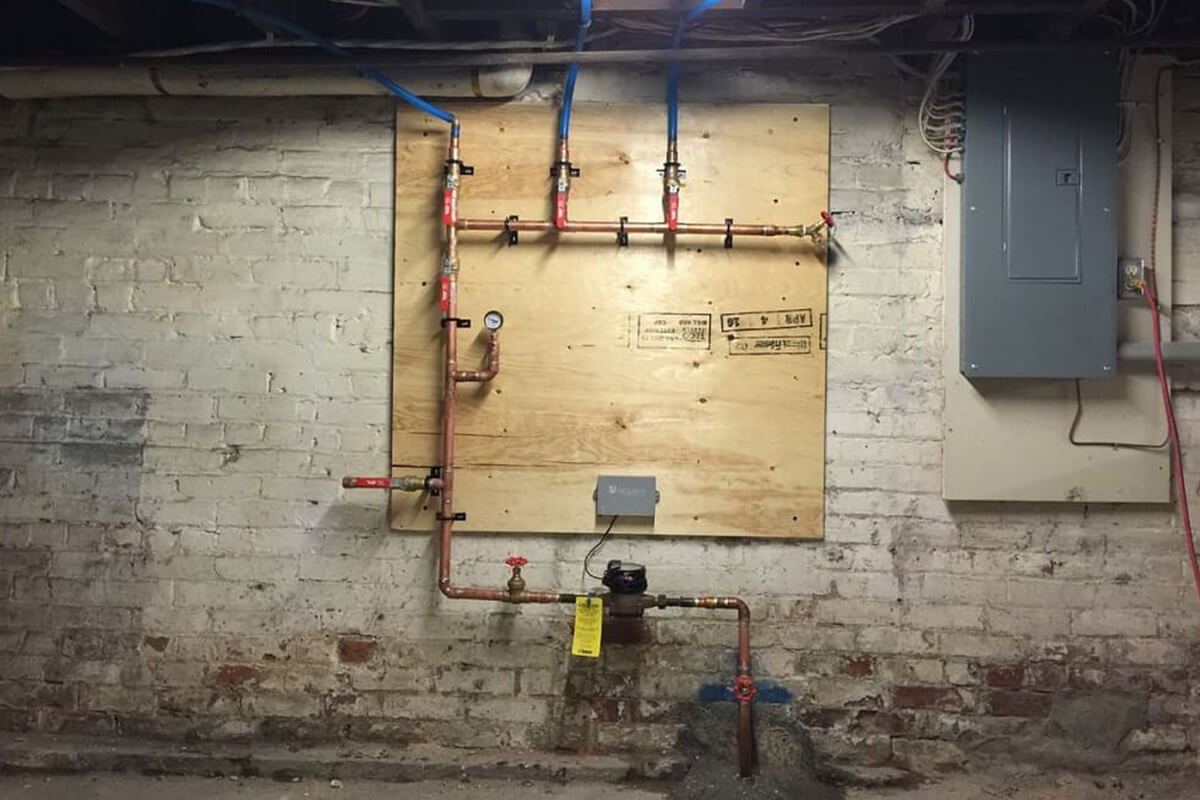
Managing the seasonal increase in sediment and other contaminants requires a proactive approach to maintain the performance and longevity of your domestic water filters.
- Pre-Season Filter Audit and Replacement
Before the spring thaw begins, conducting an audit of your existing water filtration setup is strongly recommended. Specifically, pre-emptively replacing the pre-sediment filter cartridges ensures the system starts the high-demand period with maximum capacity. A fresh sediment filter will handle the expected seasonal sediment load far more effectively, safeguarding the more expensive subsequent water purification components.
- Upgrade to a Higher-Micron Sediment Filter
If frequent clogging is an issue, consider temporarily switching to a sediment filter with a higher micron rating, such as a 5-micron filter instead of a 10-micron unit. This finer filtration captures a greater amount of smaller suspended particles. While this may require more frequent changes, it provides superior protection during the peak runoff phase and ensures lower particulate matter reaches the carbon stages.
- Monitor Water Pressure and Flow Rate
A noticeable and sustained drop in water pressure from a filtered tap is the clearest indicator that the filter is clogged and needs immediate replacement. By monitoring the flow rate, homeowners can gauge the filter’s remaining capacity and perform timely preventative maintenance. Ignoring reduced flow compromises the entire home water system’s efficiency.
- Consider a Backwashing Sediment Filter
For private well owners or those with very high sediment loads, installing a backwashing sediment filter or a turbidex system offers a highly efficient solution. These automated systems clean themselves by reversing the flow of water, flushing the accumulated sediment down the drain.
- Stockpile Replacement Cartridges
Due to the unpredictable nature of spring thaw intensity, having a small reserve stock of your primary replacement filter cartridges is a simple, effective piece of planning. When a filter becomes fully saturated, immediate replacement is possible, minimizing the time the household is without optimal drinking water.
- Professional System Check-up
Before the heavy spring use, scheduling an annual check-up with a certified plumbing professional ensures the entire water treatment system, including UV lights and softeners, is operating correctly. Professionals can test the water and advise on specific issues related to local water quality conditions, ensuring that all components are correctly sized and functioning to manage seasonal variability.
- Regularly Clean Aerators and Faucet Screens
Often overlooked, the small screens and aerators at the end of household taps can quickly become clogged with larger particles that pass through the main system or are flushed from the internal plumbing. Regularly unscrewing and cleaning these screens maintains strong water flow and prevents localised blockages, ensuring that all faucet flow rates remain consistent, providing clear access to filtered drinking water.

The winter-to-spring transition presents a dynamic and demanding period for residential water filtration. The undeniable surge of snowmelt-driven sediment and dissolved contaminants forces filtration units to operate at their peak capacity, leading directly to the shortened lifespan of components. Recognizing this seasonal pattern is not about identifying a fault in the system but understanding the environmental factors that influence source water quality. Proactive maintenance, timely filter replacement, and system readiness are the key steps for homeowners seeking to secure a consistent supply of high-quality potable water throughout the challenging months of thaw.
For personalized assessments of your water quality, guidance on sediment management, or to discuss the best water filtration solution for your home’s unique needs during and after the thaw, reach out to Plumbing Authority at (647) 992-7473. We provide reliable support for ensuring your system maintains peak performance.