
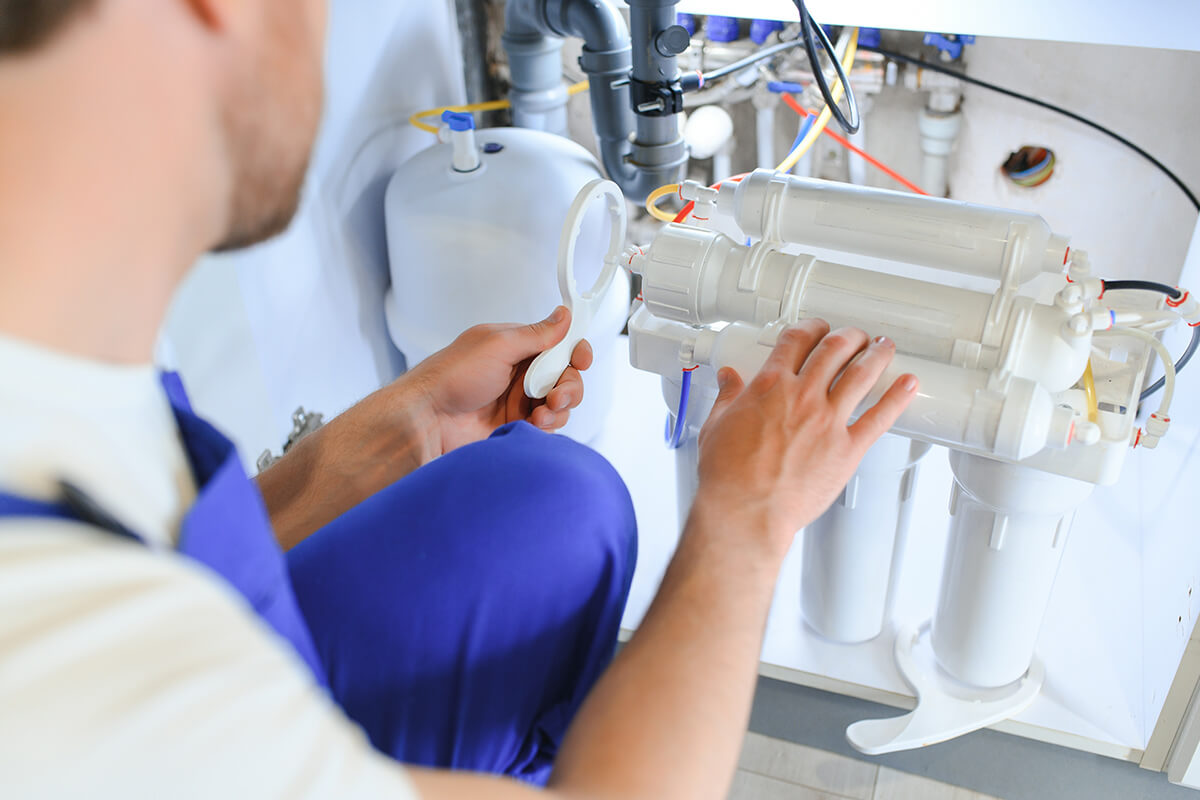
The annual arrival of cold weather brings with it a predictable set of home maintenance concerns. Among these, the worry about frozen or burst pipes often takes centre stage. For residences equipped with advanced water filtration systems, particularly those that are whole-house or installed outside, the dropping thermometer introduces a distinct set of operational risks. Protecting your home during the chilly season involves more than just insulating exposed plumbing; it requires understanding how freezing conditions affect the very equipment designed to ensure your household’s water quality remains high.
A reliable water filter system is crucial for achieving pure, better-tasting water and removing contaminants. Whether addressing chlorine, sediment, or trace pharmaceuticals, these units perform an essential health and comfort function daily. However, many home water filter owners overlook the specific preventative measures necessary to shield this equipment from severe cold. This oversight often leads to costly damage, system failures, and interruptions in the flow of safe water. The following discussion examines the most frequently made errors concerning water filtration during winter and details the necessary steps for proper cold weather water filter care.
- Failure to Insulate Exterior Filter Housings
Many whole-house filtration systems, often installed to treat all incoming water, sit outside a residence or in an unheated utility shed. The plastic or metal filter housing and any adjacent pipes are vulnerable to freezing.
- The Risk: Water expands as it freezes. This expansion exerts immense pressure, often leading to the cracking or rupture of the exterior water filter housing or pipe connections. A burst housing can cause significant water damage and necessitate complete system replacement.
- Solution or Prevention: Apply proper thermal protection. Use heated pipe wrap (following manufacturer guidelines) or thick, insulating materials designed for outdoor plumbing. Ensure access points remain available for water filter maintenance.
- Neglecting to Drain or Bypass Seasonal Units
Water softeners, iron filters, or ultraviolet (UV) purification systems located in seasonal buildings, such as cottages or cabins, are often left full of water when the property is winterized. This is a crucial mistake with seasonal water filters.
- The Risk: If an unoccupied structure’s heat is turned off or lowered significantly, the standing water inside the water treatment equipment will freeze solid. This results in irreversible damage to the resin media, the brine tank, or the quartz sleeve in a UV system.
- Solution or Prevention: Before the heating season ends, fully drain the water from the unit, following the manufacturer’s instructions. Use the system’s bypass valve to isolate the unit and then purge all residual water from the tanks and filtration media.
- Ignoring Air Temperature in Attached Garages and Crawlspaces
Homeowners sometimes wrongly assume that an attached garage or an unvented crawlspace is adequately warm to protect water lines and filters, especially in Canada where temperatures drop drastically. They fail to protect the internal water filter components.
- The Risk: These areas are often poorly insulated and can reach temperatures well below freezing, particularly the walls where plumbing runs. This poses a danger to reverse osmosis systems or smaller cartridge filters installed under sinks in these locations.
- Solution or Prevention: Monitor the temperature in these transition spaces. If necessary, use a small supplementary heater or place a thermometer near the under-sink filter unit. Insulate pipes and the backflow preventer assembly heavily.
- Leaving Sediment Pre-Filters Clogged
A pre-filter’s job is to catch sediment. As temperatures drop, water viscosity changes slightly, and a clogged filter further reduces flow rate, increasing the chance of water line freeze-up.
- The Risk: A severely clogged sediment pre-filter drastically slows the movement of water through the system. If the water remains stationary for an extended period inside the housing, it has more time to drop to freezing temperature, initiating ice formation.
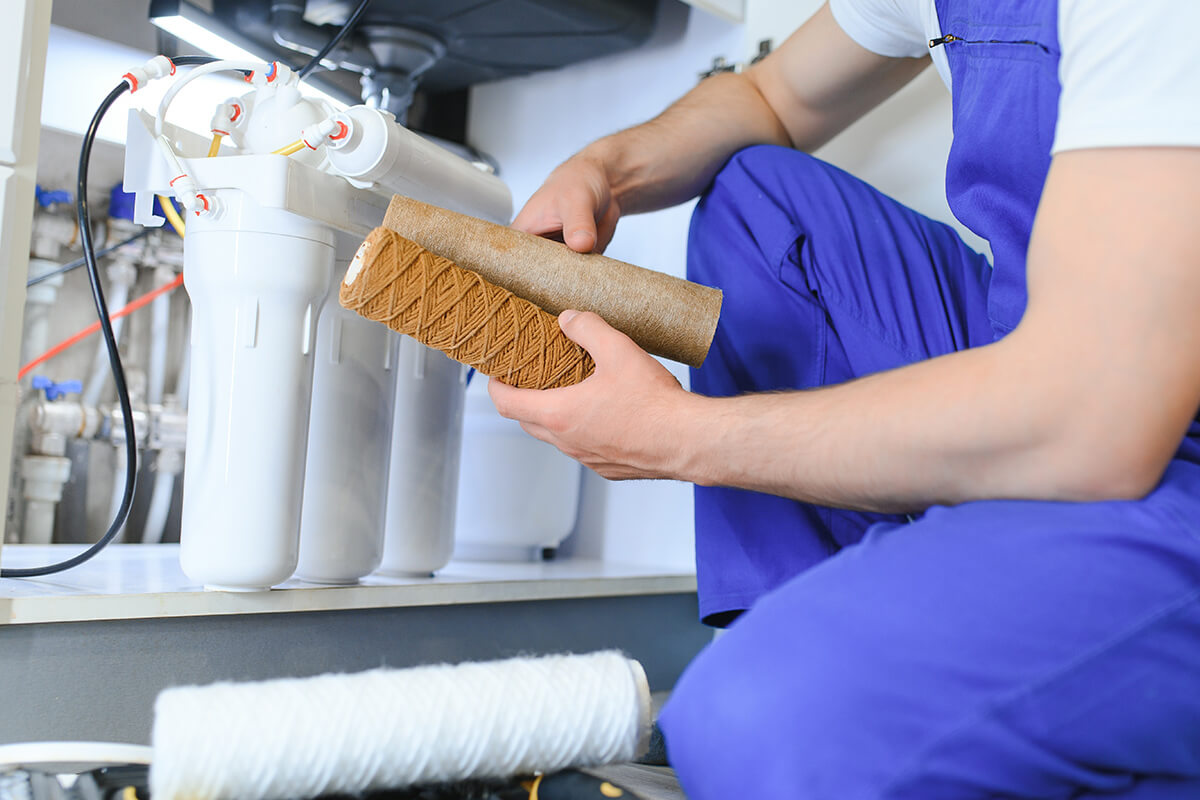
- Solution or Prevention: Replace or clean all pre-filters just before the coldest part of the winter season. Ensuring robust water flow helps mitigate ice formation risk. A clean filter is a safer filter.
- Failing to Check System Head and Control Valves
The control valve or “head” on softeners and backwashing filters is a sophisticated piece of equipment containing O-rings and internal plastic components. These are often made of materials susceptible to cracking under the force of frozen water.
- The Risk: Freezing water inside the head mechanism can fracture the delicate internal pistons and seals, leading to immediate failure and leakage upon thawing. Repairs to the water softener valve head are often expensive and require specialist service.
- Solution or Prevention: Ensure any whole-house water system located near a cold exterior wall is moved or that the area around the control head receives direct, consistent heat or insulation. An ounce of preventative heat saves serious cost.
- Turning the Heating Off Completely During Brief Absences
To save energy during a weekend away, some residential water users turn the home’s thermostat off entirely. While this saves heating fuel, it eliminates the vital protective ambient heat for the plumbing and filter systems.
- The Risk: Even a day or two without internal heat can allow the temperature in walls, cabinets, and near the floor to drop low enough to freeze water within plumbing and filter lines. This can damage the internal filter cartridges.
- Solution or Prevention: Maintain the internal temperature at a minimum of 13°C (55°CF) when away during the winter. This uses slightly more energy but is an inexpensive insurance policy against devastating damage to the home filtration unit.
- Using Improper or Insufficient Heat Tracing
Homeowners sometimes rely on low-quality or incorrectly installed heat tracing cable (heat tape) that only covers a small portion of the pipe, leaving valves, fittings, and the main filter body exposed.
- The Risk: The freezing point of water is near 0°C (32°F). If the heat tracing does not cover all vulnerable points, the smallest non-heated elbow or connection can freeze, acting as a plug and pressurizing the pipe section, often resulting in a burst water filter connection.
- Solution or Prevention: Use certified, thermostatically controlled heat tracing that is rated for Canadian winter conditions. Ensure the entire water filter assembly, including the pipe leading into and out of the unit, is protected.
- Ignoring Visible Leaks or Drips
A small drip or leak from a filter housing or pipe connection is a concern at any time, but it becomes critical in winter. Homeowners sometimes postpone fixing the minor filter leak.
- The Risk: A minor leak indicates water is moving outside the intended channels. In freezing weather, this small stream can freeze on contact with the cold air, growing into a damaging ice dam that stresses the pipe or filter seal. Ice formation also often spreads back into the unit itself.
- Solution or Prevention: Immediately address any water system leaks by tightening fittings, replacing O-rings, or securing connections. Do not wait for warmer weather; a tiny drip can quickly cause massive damage.
System-Specific Winterization Focus
Different types of filtration systems require varying levels of cold weather preparation.
- Reverse Osmosis (RO) Systems: These RO units typically reside indoors, often under a kitchen sink. The primary risk is to the drain line or the supply line near an uninsulated exterior wall. The small diameter of the RO tubing makes it particularly vulnerable to freezing. Ensure the cabinet remains closed and the area is adequately heated.
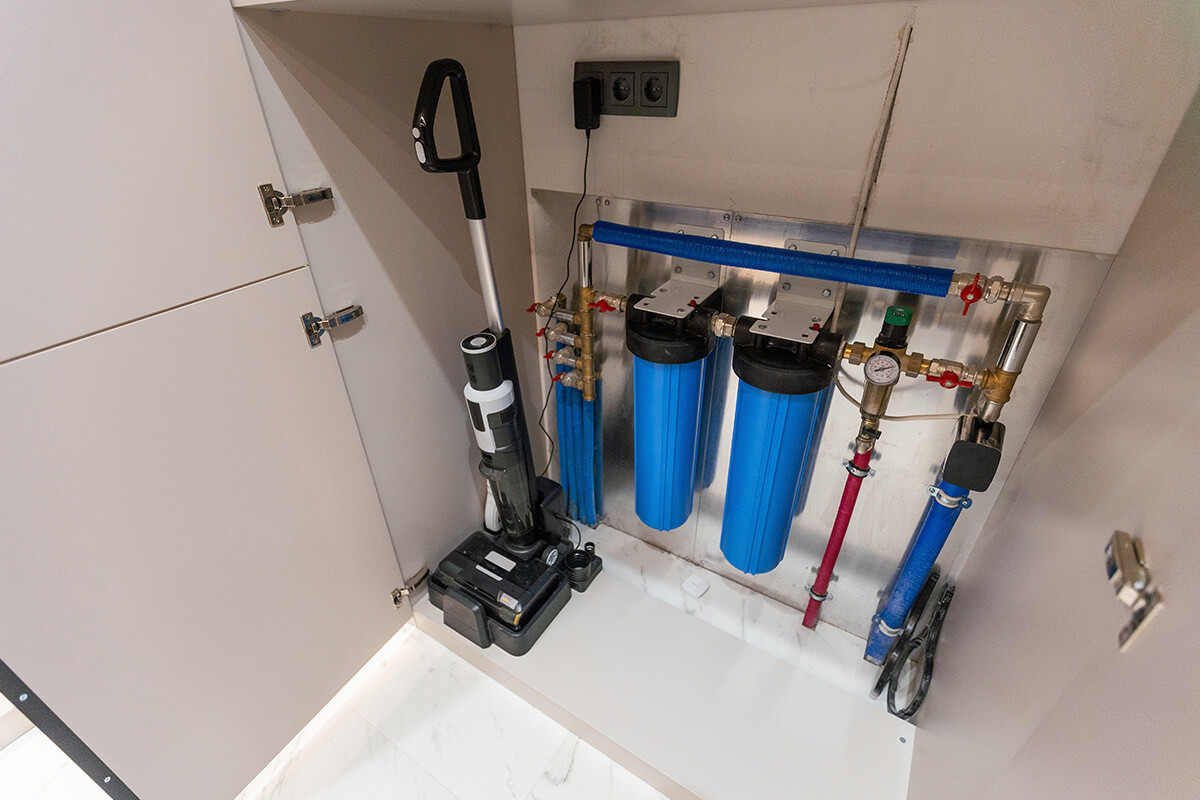
- Whole-House Cartridge Filters: If these are located in a garage or utility room, the main threat is the housing cracking. Insulation blankets wrapped around the entire housing, or a designated heat lamp directed toward the unit, can provide essential protection for the whole-house water filter.
- Water Softeners and Backwashing Filters: The control valve head and the brine tank pose the greatest risks. The water softener brine tank can crack if the internal saltwater solution freezes. Ensure the tank is never left completely empty but kept full enough to maintain thermal mass, and that the area surrounding the control head is heated.
The Economic Cost of Neglect
The expense of repairing or replacing a damaged water filtration system far outweighs the cost of preventative measures. A cracked filter housing might cost a few hundred dollars to replace, but a burst pipe can lead to thousands in drywall, flooring, and mould remediation. A frozen and cracked water softener control head can cost over $500 for the part alone, plus labour. Investing in quality heat tape, insulation, or maintaining adequate heat is a prudent financial decision for any Canadian homeowner.
Preparing your water filtration system for cold weather is a non-negotiable part of responsible home ownership, especially in regions that experience severe winter temperatures. The mistakes outlined—from insufficient insulation of exterior units to neglecting the drainage of seasonal systems—are entirely preventable. Protection involves understanding the physical principle that water expands when it freezes and proactively removing that risk from your sensitive and costly filtration equipment. By addressing these filtration system winterization steps now, you ensure a continuous supply of clean, safe water all season long.
If you are unsure about the winterization needs of your specific water treatment equipment or require professional assessment and installation of cold weather protection, rely on the experts at Plumbing Authority. Get in touch with us at (647) 992-7473.