
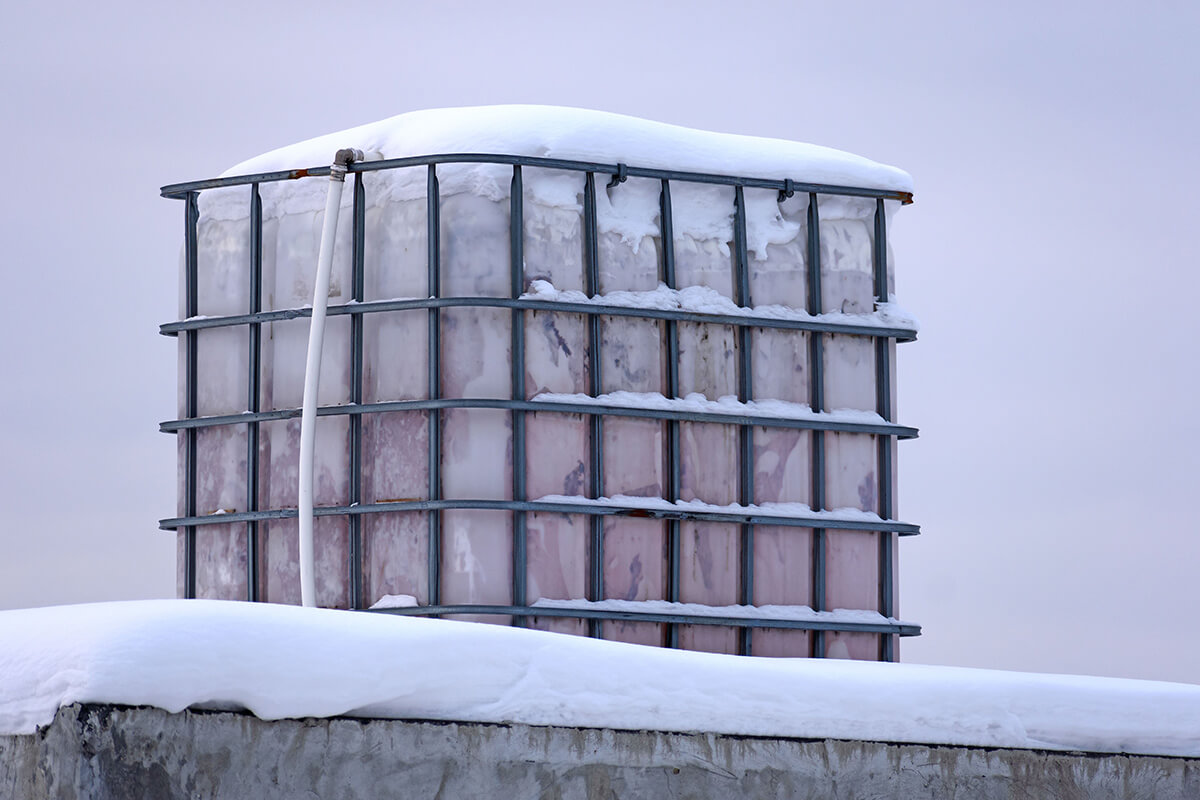
The sudden onset of bitterly cold weather brings immediate worries for property owners, primarily the potential for significant structural damage caused by freezing water. This stress often focuses on standard pipes, yet a critical and frequently overlooked component is the whole-house water filtration system. These sophisticated devices, essential for high-quality domestic water, are often situated in areas highly susceptible to low temperatures, such as crawl spaces, unheated garages, or exterior utility rooms. Protecting this system is not merely about preserving a luxury; it is about preventing a costly repair and maintaining the home’s immediate access to filtered water. The consequences of a freeze can range from a cracked filter housing to a complete system failure, requiring expensive parts and professional plumbing services.
Understanding the Risk
Understanding where and how ice damage occurs allows for targeted, effective preventative measures, safeguarding your water quality and avoiding an emergency call to a plumber during a winter storm.
- Location Vulnerability
The placement of the filtration unit significantly increases its risk. Many homes feature systems installed in unheated areas like an unfinished basement corner, a garage wall, or an exterior shed. These locations lack the consistent warmth of the living space, making them the first points in the plumbing system to drop below freezing, rapidly turning standing water in the filter housing into solid ice and causing potential structural failure. Water filter freeze protection is vital here.
- The Expansion Force of Ice
Water expands by approximately 9% when it freezes, creating immense hydraulic pressure within the confined space of a filter cartridge and its casing. This force is powerful enough to shatter even the most robust plastic housings and crack metal valves and fittings. Once this damage occurs, the unit is ruined, leading to significant indoor flooding upon thawing, creating a serious plumbing winterization need.
- Filter Cartridge Damage
Beyond the external housing, the filter media itself can sustain damage. Ice forming inside the filter element can compress or distort the material, permanently reducing its effectiveness or creating pathways for contaminants to bypass the filtration media. Even if the housing survives, a damaged cartridge necessitates replacement, compromising the quality of your filtered drinking water.
- Sudden Temperature Fluctuations
A rapid drop in temperature—a common occurrence in Canadian climate patterns—leaves no time for residual heat to protect the unit. The rate of freezing can exceed the capacity of minor insulation, leading to almost instantaneous damage. The government of Canada’s long-term climate data reinforces the unpredictable, sharp nature of these cold snaps, stressing the importance of proactive measures, rather than waiting for an extreme cold warning. It is crucial for home water treatment systems.
- Manufacturer Warranties
Most manufacturers of residential water treatment equipment explicitly state that damage caused by freezing temperatures is not covered under warranty. This puts the entire financial burden of replacement, which can easily run into the thousands of dollars for a complex reverse osmosis or carbon filtration system, directly onto the homeowner. Prevention is the only cost-effective filter maintenance strategy.
What to Do
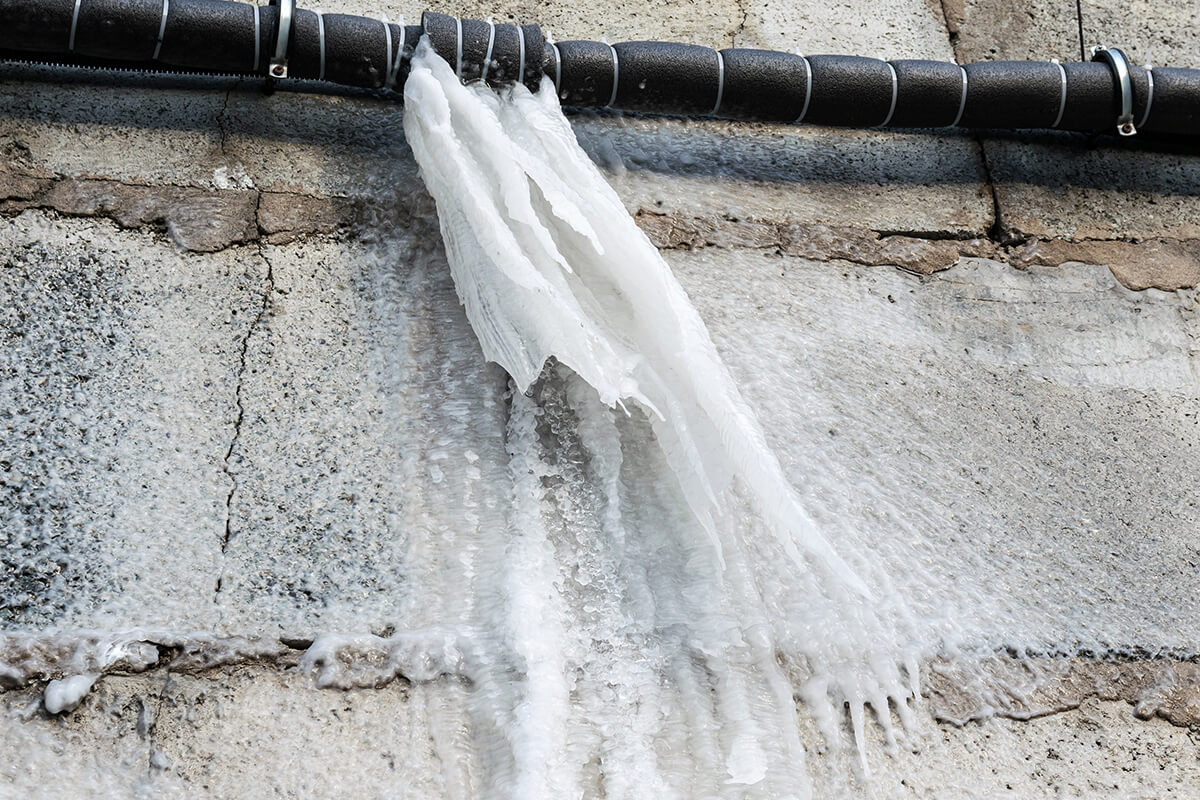
Taking decisive, simple action before the arrival of a significant cold snap is the most dependable way to ensure your house water filtration system remains intact and functional.
- Insulate the Unit and Pipes
Apply specialized foam pipe insulation sleeves (available at any hardware store) to all exposed plumbing leading into and out of the filter housing. For the housing itself, wrap it with a layer of insulating material, such as fibreglass batting or an old blanket, secured with duct tape. This creates a thermal barrier that slows heat loss and provides necessary cold weather plumbing protection.
- Implement Supplemental Heating
In environments like garages where temperatures routinely dip below zero, introducing a low-wattage heat source is effective. Consider a temperature-controlled heat lamp or a small, ceramic space heater aimed safely near the unit. An alternative is the use of electrical heat trace cable, meticulously wrapped around the pipes and the filter housing, ensuring a minimum temperature is maintained.
- Drain the System During Extended Vacancies
If the home will be unoccupied for an extended period during winter, the safest approach is to shut off the main water supply and completely drain the filter housing and adjacent pipes. This removes the vulnerable element—the water itself—eliminating any chance of ice formation. Always consult the system’s manual for the correct system winterization procedure to avoid damaging internal components upon re-activation.
- Maintain a Constant Ambient Temperature
For systems in basements or utility rooms, simply ensuring the door to that area remains open or installing a small vent can draw residual heat from the main living area. If the unit is in a garage, try to keep the internal garage door closed and use weather stripping on the main exterior door to prevent severe cold air ingress. This is a proactive step for protecting water systems.
- Inspect and Seal Air Leaks
Thoroughly examine the area surrounding the filter for any small openings, cracks, or holes in the exterior wall where cold air can rush in. Use weather-resistant sealant or spray foam to close these gaps. Even a modest, continuous stream of freezing air can be enough to freeze a pipe or filter housing, rendering your water purifier system useless and necessitating emergency plumbing repairs.
- Monitor Weather Forecasts Closely
Pay close attention to Environment and Climate Change Canada’s extreme cold warnings. These alerts provide crucial lead time. When forecasts predict temperatures below −10°C, double-check all insulation and heating measures. Being prepared a full day before the coldest temperature hits is far more effective than trying to react as the deep freeze sets in. This is key to effective residential water treatment protection.
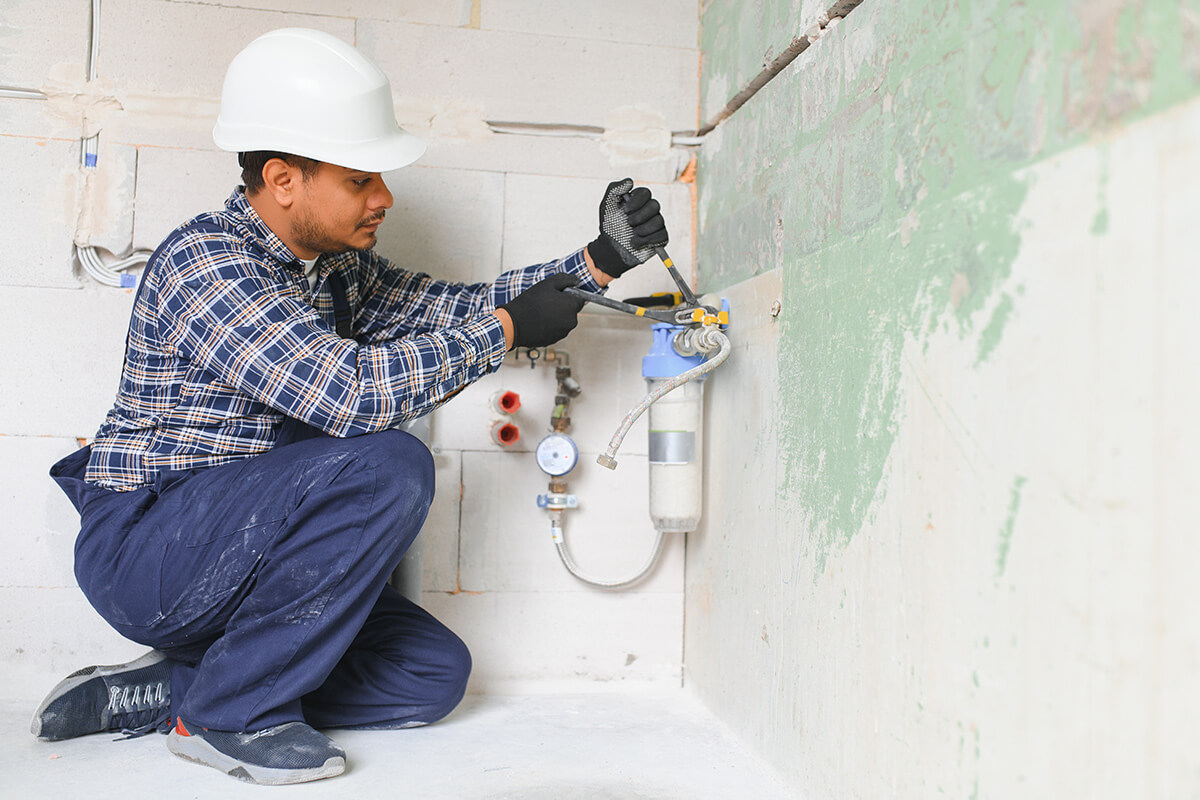
The preventative actions detailed above offer reliable and effective ways to safeguard your whole-home water treatment investment against the costly and inconvenient consequences of freezing temperatures. A proactive approach to insulation, heating, and monitoring dramatically reduces the risk of burst pipes, shattered filter housings, and subsequent water damage. For complex setups or where homeowners are uncertain about their system’s freeze resistance, professional advice is invaluable. If you have any concerns regarding the structural integrity of your current system or need expert assistance in implementing cold snap filter care solutions, please contact a qualified specialist. For reliable plumbing support in the Greater Toronto Area, contact Plumbing Authority at (647) 992-7473.